Identified: 25 Genes That Regulate Lifespan

Identified: 25 Genes That Regulate Lifespan

Researchers have identified 25 genes regulating lifespan in two organisms separated by about 1.5 billion years in evolutionary change. At least 15 of those genes have very similar versions in humans,…
First-Born Children, Useless Data, and Me

First-Born Children, Useless Data, and Me

Odd Numbers, an excellent blog by Jubin Zelveh at Portfolio.com, recently listed a few findings from the American Time Use Survey, which is in danger of being ended. They included: - First-born…
How The Brain Adjusts In Language-Impaired Kids

How The Brain Adjusts In Language-Impaired Kids

Grammar is a complex human ability yet by the age of three most children can make grammatically correct sentences. Kids with a specific language impairment(SLI), however, continue to make…
Ten Key Science Questions For The 21st Century

Ten Key Science Questions For The 21st Century

There are ten key questions we have to answer this century, says a new report by the National Research Council. The questions represent where earth science stands, how it arrived at this point, and…
Yeast, Sex, and You

Yeast, Sex, and You

Wild sex is a staple of nature films, but there is one sex scene David Attenborough has never narrated: the mating ritual of yeast. That's right: yeast. Sex isn't just limited to lions, birds of…
Wireless Networks That Build Themselves

Wireless Networks That Build Themselves

Modern day logic and embedded systems are all around us. They are so ubiquitous and their design so efficient, say researchers at the RUNES (Reconfigurable Ubiquitous Networked Embedded Systems)…
Do you understand evolutionary trees? (Part Two)

Do you understand evolutionary trees? (Part Two)

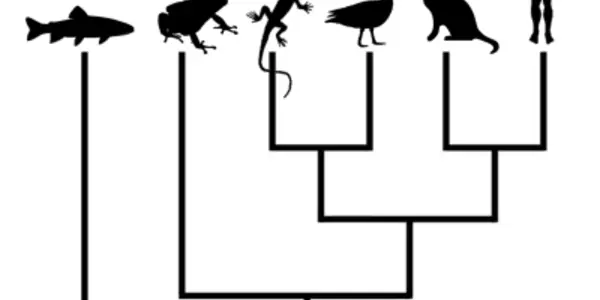
In the first installment of this series, we encountered the common misconception that the order of the terminal nodes ("tips") on an evolutionary tree reflects the actual relatedness among the…
Rethinking The Rules Of Photosynthesis

Rethinking The Rules Of Photosynthesis

Photosynthesis by plants, algae, and some bacteria is crucial to life on Earth. It results in food from sunlight and in its process organisms release oxygen and absorb carbon dioxide. Scientists at…