Paleontology

Plesiosaurs: Four-Paddled Vortex Swimmers

Plesiosaurs: Four-Paddled Vortex Swimmers

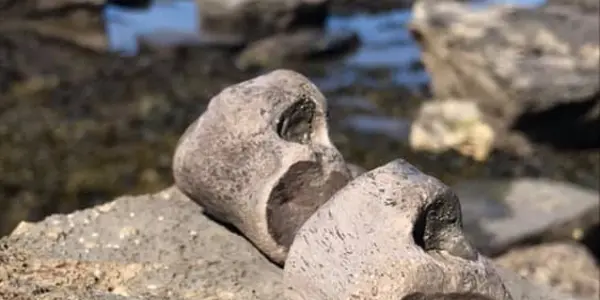
Plesiosaurus were large, carnivorous air-breathing marine reptiles with strong jaws and sharp teeth that moved through the water with four flippers. We'd originally thought that this might not be the…
Genetic Mutations in the Woolly Mammoth

Genetic Mutations in the Woolly Mammoth

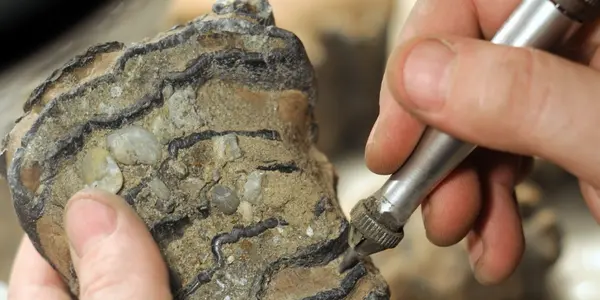
Mammoths were herbivore grazers native to Africa, Europe, Asia and North America. They lived out their long lives, 60-80 years, on the mammoth steppe, a periglacial landscape with lush grass…
Cryptodiran Fossil Turtle

Cryptodiran Fossil Turtle

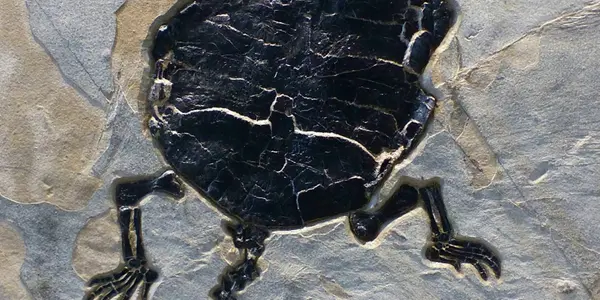
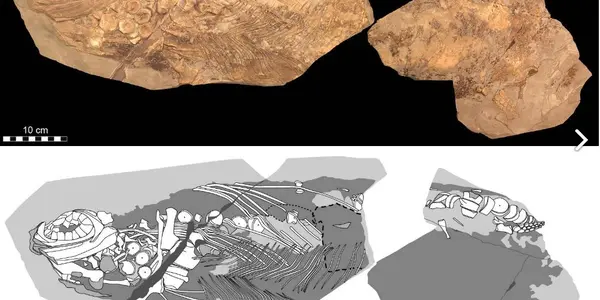
An Eocene Cryptodiran Fossil Turtle, Baena arenosa, reveals the design of the last of his lineage in finds from fine-grained lime mud outcrops in the Green River Formation, Wyoming, USA. The Baena's…
Newest Largest T. Rex Weighs In At 20,000 Pounds

Newest Largest T. Rex Weighs In At 20,000 Pounds

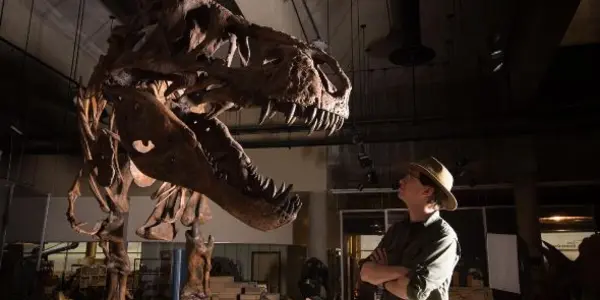
The largest Tyrannosaurus rex skeleton discovered so far, and therefore the largest carnivore on land currently known to science, was discovered in 1991 in Saskatchewan, Canada, but the extremely…
More Like Modules: T. Rex Had A Flexible Skull

More Like Modules: T. Rex Had A Flexible Skull

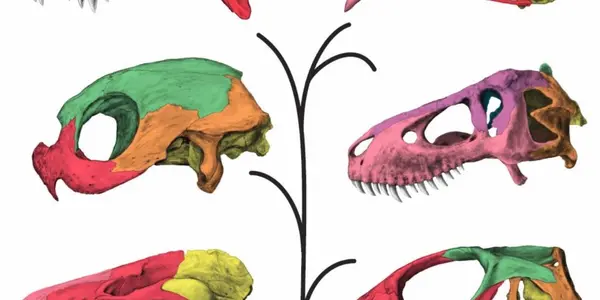
Senckenberg scientist Ingmar Werneburg, together with an international team, re-examined the An examination of the skull structure of Tyrannosaurus rex using “anatomical network analysis” found that…
Paleontology Challenge: Zombie Fossils

Paleontology Challenge: Zombie Fossils

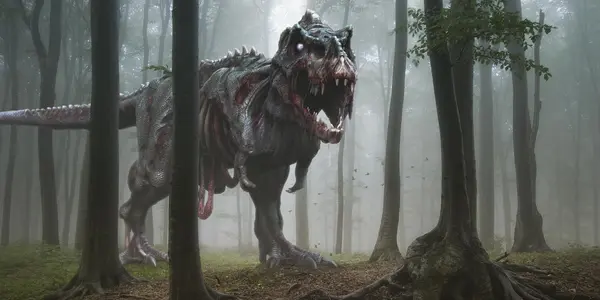
A key part of palaeontology is reconstructing long-extinct creatures to understand what they were like when they were alive. Such knowledge allows us to answer fundamental questions about how they…
Dinosaurs Couldn’t Stick Out Their Tongues

Dinosaurs Couldn’t Stick Out Their Tongues

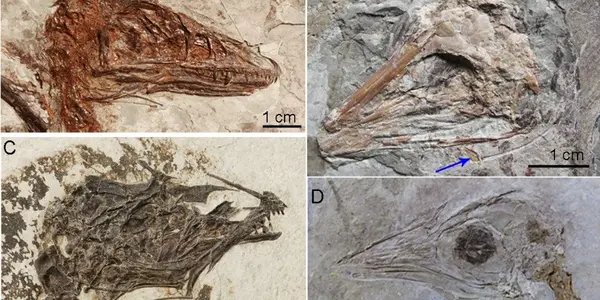
Einstein could stick out his tongue but dinosaurs could not, according to a new paper. Instead of being like modern day lizards or legendary physicists, their tongues were probably rooted to the…