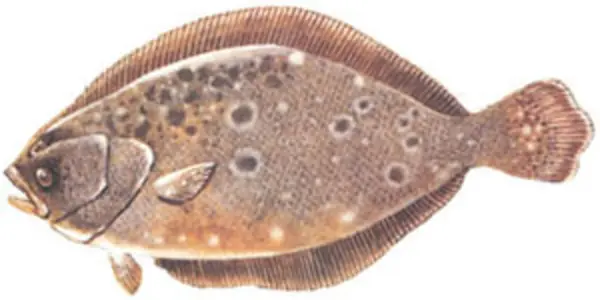
In physics, it is sometimes the case that the act of observation changes the thing being observed. While it isn't that extreme in biology, a study in PLoS One may mean a genome biologists think is accurate may not be so.Up to 20 percent of the nonhuman genomes they examined were contaminated with human DNA, they say, a discovery they made while looking for a human virus. They found so much human-looking DNA in nonhuman genomes that they did a specific search for the common human sequence AluY, which occurs one million times in the human genome. It could be skin.
They were researching stress, but we might be able to add 'cured baldness' to the list of unexpected discoveries found using basic research.As they wrote in PLoS One, a team led by researchers from UCLA and the Veterans Administration was investigating how stress affects gastrointestinal function but may have found a chemical compound that induces hair growth by blocking a stress-related hormone associated with hair loss — entirely by accident.Except it's only in mice. So we will have fewer bald mice, at least.
You know how you sometimes can sense that something is present even though you can't see it? Well, astronomers are getting that feeling about a giant, hidden object in space.
The This American Life radio program claims it has found the secret recipe for Coca-Cola in an old (well, relatively speaking) newspaper article, published by the Atlanta Journal-Constitution in 1979.
Electricity has a new little sister: magnetricity.A team of physicists in England has created magnetic charges — isolated north and south magnetic poles — and induced them to flow in crystals no bigger than a centimeter across. These moving magnetic charges, which behave almost exactly like electrical charges flowing through batteries and biological systems, could one day be useful in developing “magnetronic” devices — though what such devices would do is anybody’s guess.Read ScienceNews for the full story.
A. Morrie Craig, a veterinary scientist at Oregon State University, has found that sheep can efficiently clean up explosives-contaminated soil, of which there are 1.3 million tons throughout the U.S. TNT and other explosives from military munitions training and the remnants of old factories remain in the ground for decades. Sheep Help Scientists Clean Up Explosives Residue
National Review scribe Christina Hoff Sommers, resident scholar at the American Enterprise Institute, tackles the PNAS study I discussed in Women In Science: No Discrimination, Says Cornell Study and comes to the same conclusion virtually everyone except people who refuse to believe in any data at all accepts - while discrimination was obviously once endemic in academia and everywhere else, it is no longer there.
Politics makes strange bedfellows but practical compromises have to be made, including on occasion with the anti-science left.
The most fit will survive to reproduce, passing on their genes to the next generation. This, of course, is Darwin's theory of natural selection. An individual pursues the most genetically fit partner to pass on favorable traits to offspring, increasing their chance of reproductive success.But it is 2011, and with hair gel and a dearth of natural predators, humans function outside of these bounds. Fathers do not hunt for food, and mothers do not fight off tigers. The act of survival simply is not that difficult — most everyone lives to reproductive age. So how do humans choose a mate?

Strange Courting Ritual #1 - In rural Austria, it’s not chocolate bon-bons that are the way to a lover’s heart; it’s apples soaked in armpit sweat. Young women do a ritual dance with apple slices lodged in their armpits. After the dance, each gives her slice to the man of her choice, and he then eats it. (Sounds a little heavy on the pheromones if you ask us.)Read the rest at Life's Little Mysteries.
Pagination
- Previous page
- Page 200
- Next page