MiR-25 Shuts Down The Overworked Heart
Cardiovascular disease often causes the heart to work harder than usual, a condition that triggers the chronic buildup of cardiac pressure and the onset of heart failure.
Cardiovascular disease often causes the heart to work harder than usual, a condition that triggers the chronic buildup of cardiac pressure and the onset of heart failure.


Scientists recently discovered surprising evidence that more brown fat (as a result of cold treatment) could increase a person’s risk of getting a stroke or a heart attack. The finding could explain why more people die of cardiovascular diseases during the winter months.
Since February 2013, China experienced an outbreak of the novel H7N9 avian flu, causing 131 cases of infection, and a death toll of 39. This particular H7N9 strain is considered to be one of the most worrisome pathogens since the H5N1 pandemic in 1997; a reputation based on the virus’ ability to spread easily across species and to infect humans. According to the May 23, 2013 Science paper published by the Joint Influenza Research Centre (State Key Laboratory of Emerging Infectious Diseases, Shantou PR, China), Drs. Y. Guan and Y. Shu reported that H7N9 infects the upper respiratory tract of ferrets and pigs, and spreads via direct contact, suggesting that the rapid surge of H7N9 infections are likely caused by human’s direct contact with infected birds.
Female mosquitoes are predators of mammalian blood, relying on blood proteins to lay their eggs. While certain mosquito species are attracted to mammals by their emission of body heat and carbon dioxide, other species, such as Anopheles gambiae and Aedes aegypti, have evolved a strong lust for the smell of humans. Such mosquitoes are also deadly vectors that contribute to the efficient spread of human diseases such as malaria, Dengue hemorrhagic fever, West Nile fever, and chikungunya, with the latter two commonly known as urban epidemics.
The itch sensation is triggered by two categories of itch-inducing agents: histamine (involving the histamine receptor) and non-histamine (involving a Mas-like G-protein coupled receptor). While the molecular distinction is crucial for developing effective treatments for the specific forms of itch sensation, it remains unclear as to how the two forms of itch sensations are encoded in the sensory system. A heavily debated school of thought suggests that itch sensation, in response to either histamine and non-histamine inducers, is differentially triggered by distinct populations of sensory neurons, although such model has never been proven.
The human intestinal tract is the home of a diverse array of bacterial colonies, settling in as soon as their host begins life. While these colonies were considered to merely coexist with the host for their own survival, decades of study have shown the interaction between bacteria and host is mutually beneficial. The bacterial colonies benefit by finding their home in the host, while the host benefits from the bacteria’s ability to keep the intestinal tract healthy, specifically by aiding in the absorption of nutrients, and by preventing disease-causing bacteria from taking root.
Mammals have the ability to adapt to a range of the temperature. While physiological homeostasis has a lot to do with this, part of the reason why mammals can adapt to cold temperatures is the presence of energy-burning brown fat cells. Unlike the large fat storage units in white fat cells (the cell type responsible for obesity), brown fat cells have the capacity to generate heat and provide insulation from cold. Recently, scientists discovered a population of fat cells with the properties of brown and white fat cells, a population dubbed the beige (brite cells) that emerges in mammalian fat as a result of cold adaptation.
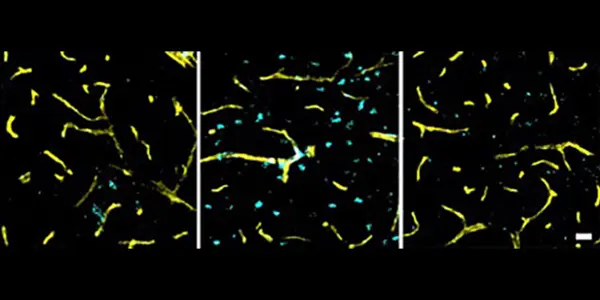
Neuroscientists have long demonstrated that neuronal connections in the brain can be strengthened with neuronal activity in the process known as neuroplasticity, and that brain training can be the ideal remedy to sharpen the human mind and to slow down the progress of neurodegeneration. However, recent studies revealed that too much thinking can actually be detrimental to the brain, causing profound DNA damage often dubbed as the DNA double-stranded breakages (DSBs). DSBs are identified by the accumulation of gH2A.X histone- a recruiter of the DNA-repair machinery- at the site of breakage, and are previously thought to be caused only by cell stress.
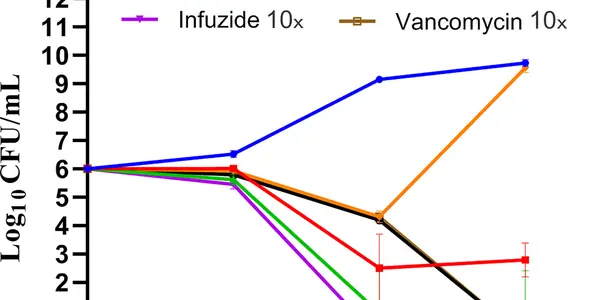
The emergence of antibiotic-resistant bacteria is a common concern in hospitals worldwide, and is the evolutionary result of the selective pressures caused by our extensive use of antibiotics to fight bacterial infections. Scientists are often fighting the losing battle against antibiotic-resistant bacteria, with every new antibiotic treatment outwitted by the bacteria’s uncanny ability to adapt to whatever adversity comes their way. Although bacteria’s evasive strategies may have outwitted scientists in the last century, their strategies still fall prey to the nature’s billion-year old bacteria-killing virus known as bacteriophages.
It is well
established that the hippocampus is central for learning and memory, encoding mnemonic
data about past experiences and connections. However, the role of the
hippocampus in emotional processes is less clear, although there have been
inklings of evidence in the past suggesting that the hippocampus does indeed
play a role in fear and anxiety.
Beating heart cells (cardiomyocytes) are often used as an
empowering imagery to depict important scientific advances in stem cell
technology; advances that enable scientists to harness human embryonic stem
cells to regenerate tissues that cannot easily be replaced, including
heart tissue. From the use of controversial human embryonic stem cells, to Yamanaka's
discovery of an engineering technology to reprogram human skin cells into cells
that are akin to embryonic stem cells (dubbed induced pluripotent stem cells);
the beating cardiomyocytes remain a media cliché representing our society's
advances in stem cell technology and regenerative medicine.
Like blood
vessels that supply oxygen and nutrients to normal tissue, tumor blood vessels
were originally thought to do likewise to fuel tumor growth. As scientists
developed strategies to kill tumors by cutting off their blood supply, they
soon discovered their valiant efforts were thwarted by the tumor's ability to
quickly recover. The recovery is caused by a population of tumor-initiating
cancer cells dubbed the cancer stem cells (CSCs); a population that can
communicate with blood vessels via the Notch signaling pathway to drive tumor
vascularization.