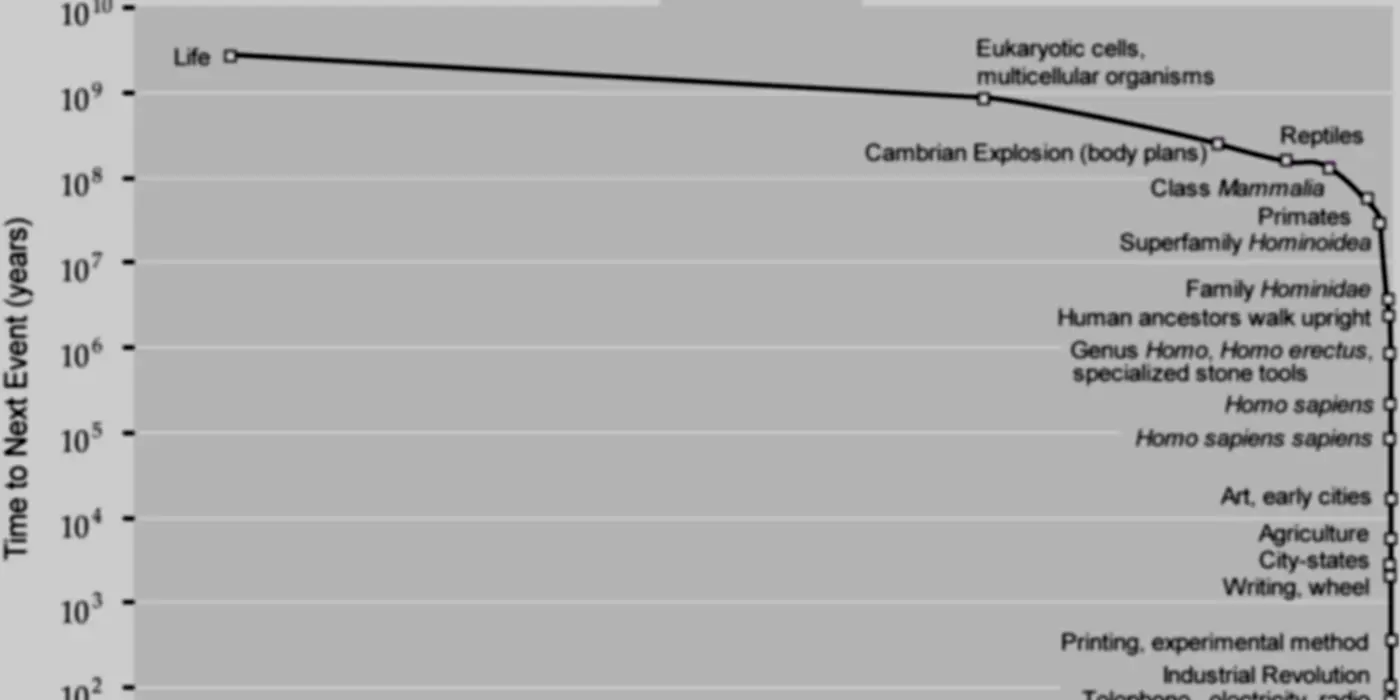
The Dutch translation of Ray Kurzweil's 2005 bestseller “The Singularity is Near: When Humans Transcend Biology” (the title says it all!) is about to be released, so this post on 'practical PAC' will be a summary of my objections to this idea. The Singularity was a case study in my research to see if I could analyse the claims with PAC.
With a Ph.D.from the University for Humanistics on complexity, complex systems and technology and society, Kees holds degrees in electrotechnics and computer science with a specialisation in artificial intelligence (now more often called computationa…
In my previous post, I defended a 'post-modern' stance in science, as I consider quest for singular concepts to explain all kinds of things to be somewhat outdated. Or, to be more precise, it is rather stupid to consider oneself a 'complexity thinker' and then believe that singular concepts can explain everything. This tie between post-modernism and complexity has been elucidated in a much better way than I can, by philosopher of complexity Paul Cilliers in his ground-breaking book, so I will not delve into this issue further.Methodological Stuff:
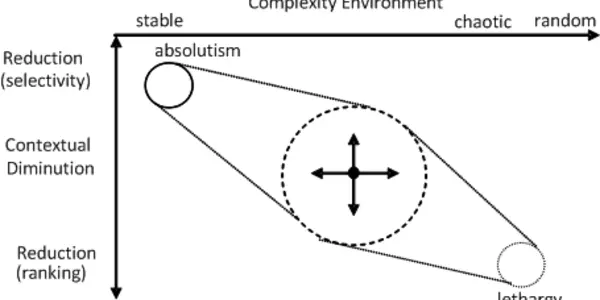
The Pattern of Contextual DiminutionThis pattern is a bit more involved,as it combines a number of other patterns. It also adds to theself-referential nature of PAC, as it describes the dynamics of anepistemological system, such as PAC.MethodologicalStuff:
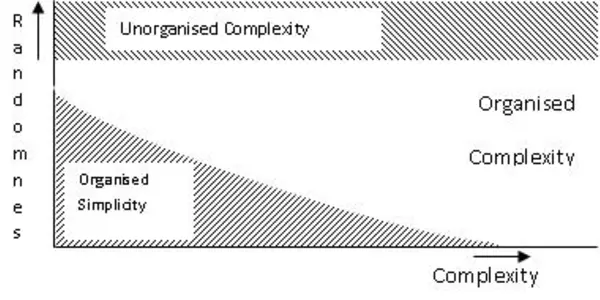
This pattern is from System's thinker Gerald Weinberg, and has been extremely helpful to illustrate the difference between complexity and randomness. It is also a nice example of the self-referential methodology of PAC, as the pattern is used to discuss scientific approaches: science discovers patterns, which are then used to elucidate scientific processes!
Methodological Stuff:1. Introduction 2: Patterns3: Patterns, Objectivity and Truth4: Patterns and ProcessesThe Pattern Library:1. A pattern of Difference
If we have done away -like postmodernism- with the notion of absolute truth, and we are living in a life-world where observers with limited knowledge try to 'make sense' of their envirnoment, then we we have certain freedom to define other forms of truth.1. Introduction 2: Patterns3: Patterns, Objectivity and Truth