Main navigation

  • Home
  • Culture
    • Humor
    • Mathematics
    • Random Thoughts
    • Science & Society
    • Sports Science
    • Technology
  • Earth Sciences
    • Atmospheric
    • Energy
    • Environment
    • Geology
    • Oceanography
    • Paleontology
  • Life Sciences
    • Ecology & Zoology
    • Evolution
    • Immunology
    • Microbiology
    • Neuroscience
  • Medicine
    • Aging
    • Cancer Research
    • Clinical Research
    • Pharmacology
    • Public Health
    • Vision
  • Physical Sciences
    • Aerospace
    • Applied Physics
    • Chemistry
    • Optics
    • Physics
    • Space
  • Social Sciences
    • Anthropology
    • Archaeology
    • Philosophy & Ethics
    • Psychology
    • Science History
  • Contributors

User menu

  • Log in

Breadcrumb

  1. Home
  2. News Releases
Study finds how brain remembers single events
Liking Sweets Makes Sense For Kids
Global poverty is still a priority
Research shows biopsy of recurrent breast cancer can alter treatment
Tobacco makes medicine
Campaign spending affects electoral outcomes
Experimental vaccine shows promise in preventing cytomegalovirus infection
New research suggests common anti-seizure medications may increase risk of cardiovascular problems
Scientists closer to understanding how to control high blood sugar
6.5 million more patients might benefit from statins to prevent heart attacks, strokes
Stevens faculty release study on free-space optical communication in Optics Express
Silicone ear looks just like the real thing
PSA screening cuts deaths by 20 percent
Zinc oxide gives green shine to new photoconductors
U of I study: When a violent marriage ends, is co-parenting possible?
Vaccine against CMV shows promise in clinical trial
Hippo ancestry disputed
Conflicts of interest in clinical research
MIT: Why we have difficulty recognizing faces in photo negatives
What's driving specific patterns of gene expression among cell types?
Children who are dissatisfied with their appearance often have problems with their peer group
Engineer: Computer learning, electrical stimulation offer hope for paralyzed
'Colorblindness' hurts minority employees, but multiculturalism inspires their commitment
Research yields potential target for cancer, wound healing and fibrosis
Study identifies human genes required for hepatitis C viral replication

Pagination

  • Previous page ← Prev
  • Page 22
  • Page 23
  • Page 24
  • Page 25
  • Page 26
  • Current page 27
  • Page 28
  • Page 29
  • Page 30
  • Next page Next →

Donate

Please donate so science experts can write for the public.


At Science 2.0, scientists are the journalists, with no political bias or editorial control. We can't do it alone so please make a difference.

We are a nonprofit science journalism group operating under Section 501(c)(3) of the Internal Revenue Code that's educated over 300 million people.

You can help with a tax-deductible donation today and 100 percent of your gift will go toward our programs, no salaries or offices.

More reads

Featured Image

Most Gun Owners Will Buy Personalized 'Smart Guns' - Once They Actually Work

In a new survey, 80 percent of gun owners support the concept of personalized guns, referred to as "smart" guns because they include safety features like fingerprint locks to help prevent use by…
Featured Image

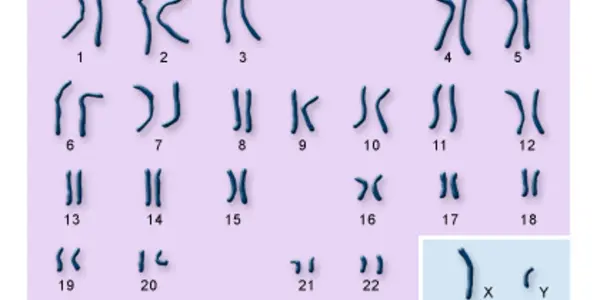
X And Y And Meiosis: Some Progress In The Sex Chromosomes Science Mystery

In high school biology you learned that in humans, a normal cell contains 23 pairs of chromosomes; 22 autosomes, which are the same in both males and females, while in the 23rd, the sex chromosomes,…
Featured Image

The Black Hole Image from M87 IS AMAZING … At Least To Us

The Image presented at a press conference today by the Event Horizon Telescope collaboration is the result of collaboration between numerous scientists around the world lead by EHT director Shep…
Featured Image

Long Telomeres Linked To Higher Cancer Risk

Telomeres, repeated sequences of DNA that shorten every time a cell divides, have been linked to an increased cancer risk. The length of the telomere “caps” of DNA that protect the tips of…

Footer

  • About Us
  • Copyright and Removal
  • Privacy Policy
  • Terms

© 2006-2026 Science 2.0. All rights reserved.