




D’Artagnan would become famous thanks to an 1844 serialized novel by Alexandre Dumas, in which he was instead a young Gascon peasant who becomes a friend to Athos, Porthos, and Aramis in the King's Musketeers and saves King Louis VIII from various intrigues. It was such a hit that it made Un pour tous, tous pour un (one for all, all for one) part of the worldwide lexicon and it's been turned into dozens of films, including its greatest, Richard Lester's 1974 version.
Since he was a real person there was always interest in finding him. One Dutch archeologist has been searching for the tomb for decades and feels confident that remains found in a subsided nave in front of the altar in St Peter and Paul church is him. The circumstantial evidence; a musketball near the ribs and a French coin in the grave - and that only someone important would be buried beneath the altar of a church that has existed for 1,000 years. Because the battle was in the summer and the battle raged, he was known to be buried locally.
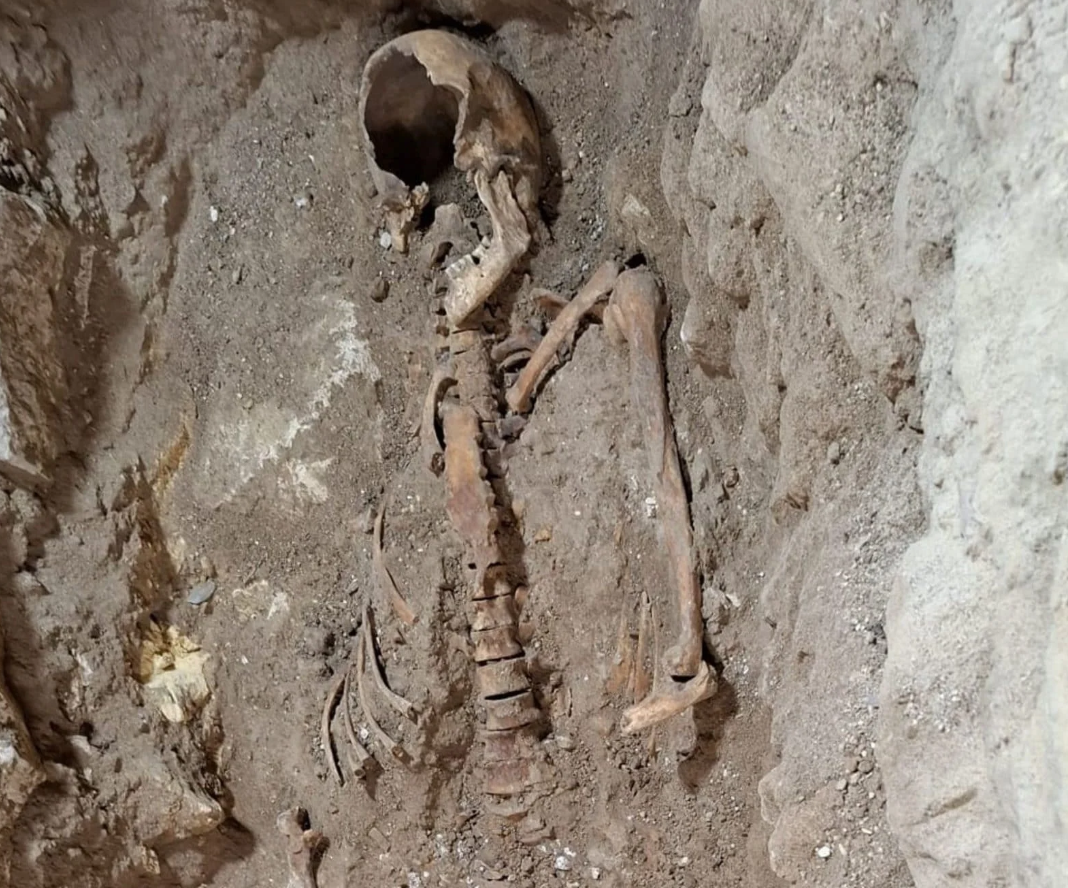
Fortunately, there is more than circumstantial evidence. My family has been in the United States for nearly 300 years and if I travel to Scotland and look at records not available online, I can trace my lineage a lot longer than that. Assuming no extra-pair paternity confounders (a child with a different father than officially noted) there are descendants of D'Artagnan and a DNA sample from the teeth is being matched to one of them.
If the discovery holds up, it will be a big tourism boost. There is a statue of D'Artagnan in Maastricht despite him being a foreign invader helping to sack the citym which fell five days after he died of a gunshot wound.



Comments