Carbon Nanotube Has EMI And Hides Heat
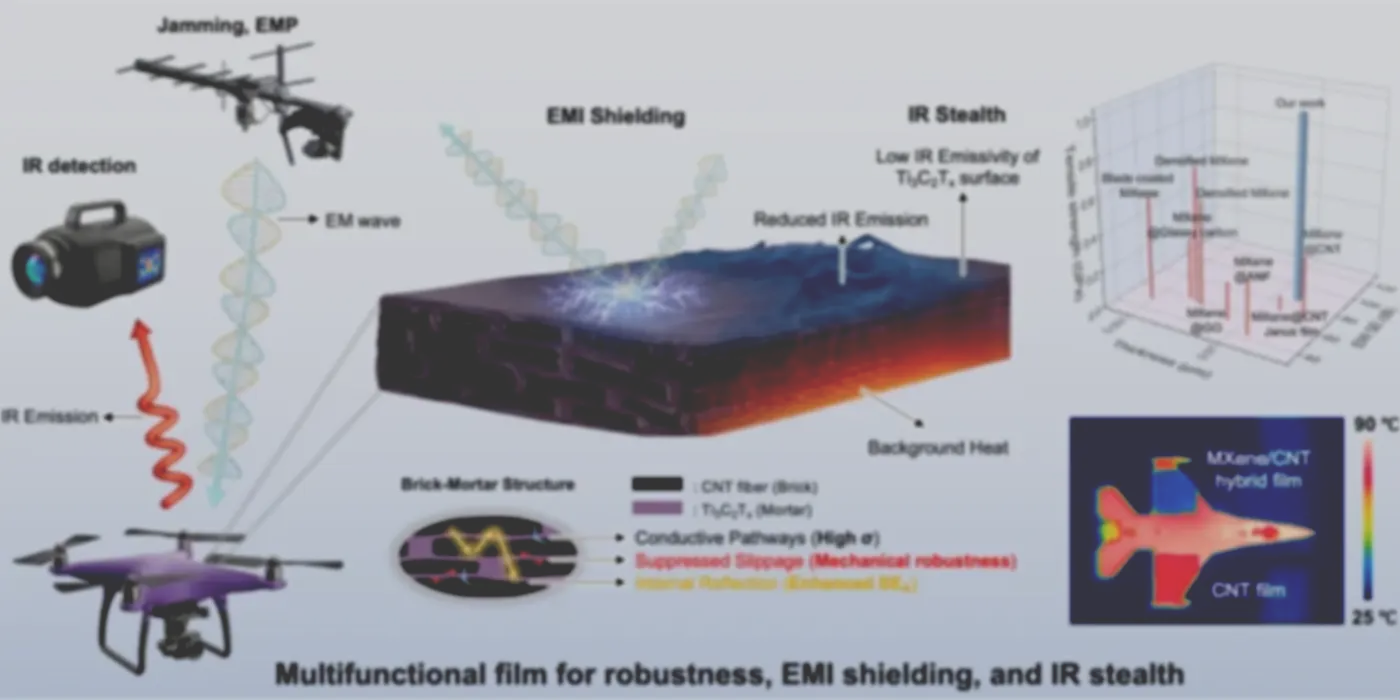
Researchers have developed a composite film that combines electromagnetic interference shielding, infrared stealth, and high mechanical strength using carbon nanotube fibers and MXene.
Researchers have developed a composite film that combines electromagnetic interference shielding, infrared stealth, and high mechanical strength using carbon nanotube fibers and MXene.


Electromagnetic fields do not pose a health hazard to workers in the electrical energy supply industry, suggests a large study of 28,000 people, published ahead of print in Occupational and Environmental Medicine.
Exposure to low frequency electromagnetic fields of 50 to 60 Hz has been implicated in an increased risk of leukaemia, brain and breast cancers.
The researchers used the health and employment records of more than 22,000 utility workers at 99 different electrical energy supply companies in Denmark. All the employees had been employed at the companies for a minimum of three months since 1968, and they were tracked for an average of nearly 23 years or until death.
There are many reasons why living in dense groups with others of your own kind is a good idea. Oftentimes, aggregations of a species serve as protection from predators and harsh environments or may be beneficial to future reproductive success. However, in the case of oyster larvae, the selection of a place to call home can be a life or death decision.
Increasing intake of antioxidant-rich cherries may help lower the risk of metabolic syndrome and cardiovascular disease, suggests a new study(1) presented today at the Experimental Biology annual meeting.
Researchers say the animal study is encouraging and will lead to further clinical studies in humans.
Triptolide is derived from a Chinese medicinal herb, named Lei Gong Teng, which has been used in traditional medicine to treat cancer, inflammation, and auto-immune diseases and, more recently, also has been tested in Phase I clinical trials as an anti-tumor agent.
Using a compound from Triptolide, Yale University researcher Dr. Craig Crews has been able to prevent the formation of kidney-destroying cysts in a mouse model of polycystic kidney disease. This ability holds out hope for what would be the first treatment, other than kidney transplant or frequent dialysis, for one of the most lethal of all kidney diseases worldwide.
By giving ordinary adult mice a drug - a synthetic designed to mimic fat - Salk Institute scientist Dr. Ronald M. Evans is now able to chemically switch on PPAR-d, the master regulator that controls the ability of cells to burn fat. Even when the mice are not active, turning on the chemical switch activates the same fat-burning process that occurs during exercise. The resulting shift in energy balance (calories in, calories burned) makes the mice resistant to weight gain on a high fat diet.
Northwestern University scientist Mary J.C. Hendrix and colleagues discovered that aggressive melanoma cells (but not normal skin cells nor less aggressive melanoma cells) contain specific proteins similar to those found in embryonic stem cells. This groundbreaking work led to the first molecular classification of malignant melanoma and may help to explain how, by becoming more like unspecialized stem cells, the aggressive melanoma cell gained enhanced abilities to migrate, invade and metastasize while virtually undetected by the immune system.
A new study from the University of Michigan Health System suggests that a compound in green tea may provide therapeutic benefits to people with rheumatoid arthritis.
The study looks at a potent anti-inflammatory compound derived from green tea. Researchers found that the compound -- called epigallocatechin-3-gallate (EGCG) -- inhibited the production of several molecules in the immune system that contribute to inflammation and joint damage in people with rheumatoid arthritis.

“The climate problem can by and large be solved if the eight to ten largest countries in the world can agree on effective climate measures,” says Professor Jon Hovi.
One of the themes at a recent climate conference arranged by the research program RENERGI was how we can achieve an effective international climate agreement. Professor in political science Jon Hovi at the University of Oslo and CICERO has studied this topic for years. He argues that although the international community faces many obstacles in mitigating the climate problem, solutions are possible.
Continue the Kyoto Process?
Hopkins researchers have identified a backup supply of stem cells that can repair the most severe damage to the nerves responsible for our sense of smell. These reservists normally lie around and do nothing, but when neighboring cells die, the scientists say, the stem cells jump into action.
Mice whose brains had lost a large number of neurons due to neurodegeneration regained long-term memories and the ability to learn after their surroundings were enriched with toys and other sensory stimuli, according to new studies by Howard Hughes Medical Institute researchers. The scientists were able to achieve the same results when they treated the mice with a specific type of drug that encourages neuronal growth.
Life for an estimated 100,000 people in poverty-stricken rural India has been improved dramatically by several hours of reliable solar-powered lighting every night, made available by a UN-led pilot project to facilitate household financing for solar home systems.
The $1.5 million pilot, managed by the United Nations Environment Programme (UNEP), has improved so many lives in India that sister programmes to boost energy access are being initiated in other developing countries.
US and Mexican conservation efforts may have boosted the number of marine turtles visiting UK waters, according to University of Exeter biologists.
New research by the University of Exeter and Marine Environmental Monitoring, published this week in Marine Biology (3 May 2007), analyses 100 years of data. It shows an increase in the number of loggerhead and Kemp’s ridley turtles in UK and French waters in the last twenty years. The research team believes this is most likely the result of protective measures put in place in the United States and Mexico.