Even With Unlimited Student Loans, College Is Unaffordable
In the 1980s, universities lobbied Congress to make student loans unlimited, so everyone could get a college education and have higher earnings. Now, college is more unaffordable than ever.
Too much to ask. wavebreakmedia / shutterstockBy James Hayton, University of Warwick
Human volunteers for Ebola vaccine. Image:niaidBy Connor Bamford, University of GlasgowThe world has been warned that the current Ebola epidemic may not end without the use of a vaccine – and no licensed vaccines exist yet. That may soon change, because scientists are making swift progress.
How much more glacial melting can the planet stand? NASABy Micheal Mann, Pennsylvania State University and Lawrence Torcello, Rochester Institute of Technology
Getting high on own supply. Dance by ShutterstockBy Adam Winstock, King's College LondonDespite the language we use about drugs, many people don’t see themselves as “drug users” but as rational adults who aren’t on a mission to seek moral disintegration and cause themselves harm. People who use drugs are just people who happen to use drugs (they might also do yoga, go the cinema, get degrees, litter the streets or be into base-jumping) – normal people who care about their loved ones, their health and well-being and want to make the most of that wonderful thing that we all share: life.
Not enough tobacco company money is going into public health campaigns. Credit: REUTERS/Daniel MunozBy Nicholas Freudenberg, City University of New YorkThe #20 Million Memorial created earlier this month by the United States Centers for Disease Control, is an online tribute to honor the 20 million spouses, mothers, fathers, children, sisters, brothers, and friends who have died of tobacco-related diseases since 1964.
Image: NASABy Monica Grady, The Open University
Image: the conversationBy David Glance, University of Western AustraliaIn 2012, the UK’s Sunday Times reported that actor Bruce Willis was going to sue Apple because he was not legally allowed to bequeath his iTunes collection of music to his children. The story turned out to be false (and shockingly bad journalism) but it did start a conversation about what we can, and can’t, do with our digital possessions.
Credit: mikecogh, CC BY-SABy Suzie Thomas, University of Helsinki
Credit: EPABy Rob MacKenzie, University of BirminghamTo exaggerate is human, and scientists are human. Exaggeration and the complementary art of simplification are the basic rhetorical tools of human intercourse. So yes, scientists do exaggerate. So do politicians, perhaps even when, as the UK’s former environment secretary Owen Paterson did, they claim that climate change forecasts are “widely exaggerated”.
Credit: Niall Carson/PABy Saskia Vermeylen, Lancaster UniversityWhether you’re into mining, energy or tourism, there are lots of reasons to explore space. Some “pioneers” even believe humanity’s survival depends on colonizing celestial bodies such as the moon and Mars, both becoming central hubs for our further journey into the cosmos. Lunar land peddlers have started doing deals already – a one-acre plot can be yours for just £16.75.
There are many different conceptions of God, and endless questions. Credit: Waiting For The Word, CC BY-NC-SABy Graham Oppy, Monash UniversityDisputes about the existence of God — like most disputes about religion, politics, and sex — almost always generate heat but not light.The question of the existence of God seems intractable. As with other philosophical questions, there is no method to follow in seeking to answer it. Moreover, there is no prospect of reaching an agreed answer to it.
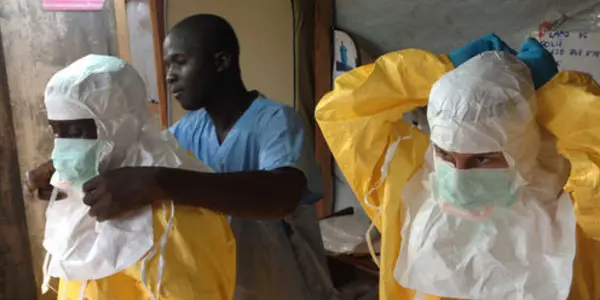
Credit: EPABy Uli Beisel, Bayreuth UniversityDespite it being nearly six months after the Ebola outbreak was confirmed by the World Health Organisation (WHO), we are still hearing stories of severe shortage of gloves in health facilities in West Africa. Many nurses have been asked to reuse them or merely rub their hands with chlorine after consultations.