The Conversation

The Conversation

The Conversation

The Conversation is an independent source of news and views, funded by the academic and research community and delivered direct to the public. The Conversation launched in Australia in March 2011.
RSS Feed
Clearing Up Confusion Between Correlation And Causation

Clearing Up Confusion Between Correlation And Causation

An example of unidirectional cause and effect: bad weather means umbrella sales rise, but buying umbrellas won't make it rain. Credit: Mariusz Olszewski/Flickr, CC BY-NC-NDBy Jonathan Borwein (Jon), University of Newcastle and Michael Rose, University of Newcastle

Uncharted Passion, Disrupted Hormones And Weird Superstitions – The Life Of A Football Fan

Uncharted Passion, Disrupted Hormones And Weird Superstitions – The Life Of A Football Fan

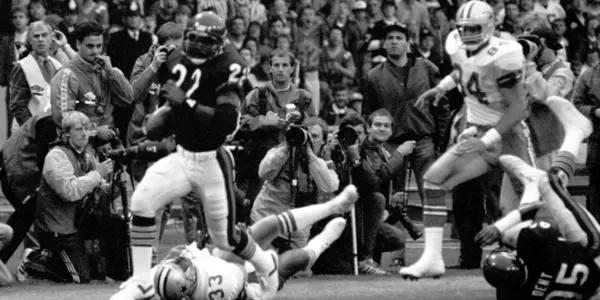
Australian Football League. Credit: Deirdre/FlickrBy Steve Ellen, Monash UniversityIt’s Grand Final season – it might seem that nothing else matters about now.Writing about the psychology of football is like writing about the psychology of love. A fool’s business. Nothing (so far) has quite made sense of how 100,000 people turn up to shout and scream, cry and gasp, and pin their fortunes on a bunch of athletes running around crashing into each other at the limits of human endurance.It’s just good honest fun. Well, mostly honest.Fan passion

Patriarchy’s Ghosts In The Light Bulbs

Patriarchy’s Ghosts In The Light Bulbs

'To be, or not to be' male or female? Maxine Peake plays Hamlet. Credit: Jonathan Keenan/Royal Exchange TheatreBy Mareile Pfannebecker, University of ManchesterThe ghost, in this autumn’s Royal Exchange Theatre production of Hamlet, is in the light bulbs. Hung over the stage, they flicker and hum as they mark Old Hamlet’s movements. They also set the scene for the production: this is an indoors, domestic Hamlet, with Fortinbras and the wars cut out to focus on family politics.

Big Data And Full-Genome Analysis Not All They’re Cracked Up To Be

Big Data And Full-Genome Analysis Not All They’re Cracked Up To Be

Knowing your DNA will is not a panacea. Credit: PA/Harvard UniversityBy Walter Gilbert, Harvard UniversityWalter Gilbert won the Nobel Prize in 1980 in Chemistry for his contribution to sequence DNA, or “determination of base sequences in a nucleic acid”. Mohit Kumar Jolly, researcher at Rice University and contributor to The Conversation, interviewed him at the 2014 Lindau Nobel Laureates Meeting.

Energy Efficient Buildings – Beware Possible Health Risks

Energy Efficient Buildings – Beware Possible Health Risks

BedZED in Hackbridge, London. Credit: Tom Chance, CC BY-SABy Melissa C. Lott, University College LondonThe primary goal of home energy efficiency initiatives might be to reduce total energy consumption, but these projects could have a negative impact on public health if we do not take care.

Doom And Gloom Won’t Do It – Here’s How To Sell The Climate Change Message

Doom And Gloom Won’t Do It – Here’s How To Sell The Climate Change Message

But which words will lead to action? Credit: EPABy James Painter, University of OxfordEach of the 125 leaders attending the New York climate summit this week has been given four minutes to speak to the world. They (or their aides) may well have dipped into the climate literature to add scientific ballast to their speeches. But they may not be as familiar with the vast array of academic studies on effective communication about climate change.

Why Research Beats Anecdote In Our Search For Knowledge

Why Research Beats Anecdote In Our Search For Knowledge

US Army scientists analyze unknown samples to determine whether hazardous. That's typical of research trying to understand the unknowns and expand on our knowledge. Credit: Flickr/US Army RDECOM, CC BYBy Tim DeanUNDERSTANDING RESEARCH: What do we actually mean by research and how does it help inform our understanding of things? We begin today by looking at the origins of research.