W. Glen Pyle

Glen Pyle

Glen Pyle

W. Glen Pyle, PhD is a Professor in the Department of Biomedical Sciences at the University of Guelph and an Associate Member of the IMPART Team Canada Investigator Network at Dalhousie Medicine. He is also the co-Lead for COVID-19 Resources Canada's…
RSS Feed
The Thorny Problem Of COVID-19 Vaccines And Spike Proteins

The Thorny Problem Of COVID-19 Vaccines And Spike Proteins

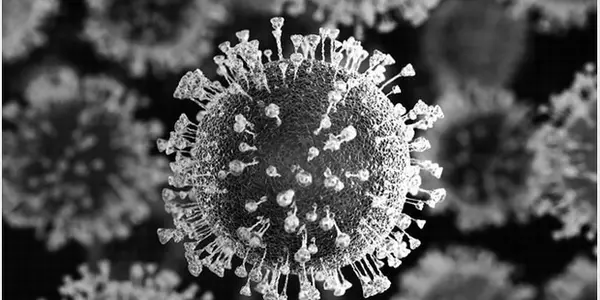
Almost since the beginning of the COVID-19 pandemic, a piece of the SARS-CoV2 virus called the “spike protein” has drawn interest from researchers and healthcare professionals.

New research by Yuyang Lei and colleagues published in the journal Circulation Research sheds new light on how the spike protein might play a critical role in the widespread damage caused by SARS-CoV2, and offers insight into treating the complications of COVID-19.

Vaccine skeptics have seized on the study to cast doubt on the safety of vaccines. But a review of the study’s findings shows that the concerns raised by vaccine doubters are much ado about nothing.

Vaccination Opponents Drive An Epidemic Of COVID-19 Misinformation

Vaccination Opponents Drive An Epidemic Of COVID-19 Misinformation

There is a saying that when all you have is a hammer, everything looks like a nail.

So, it should come as no surprise that vaccine skeptics worldwide are sounding the alarm about the flu shot as a real danger in the COVID-19 pandemic.

Confused? Well, it turns out the anti-vaccine activists are too.

In the Beginning, There was Misunderstanding: The Genesis of a Myth

Will COVID-19 Use Myocarditis To Strike Out Baseball?

Will COVID-19 Use Myocarditis To Strike Out Baseball?

By Glen Pyle and Gurkiran Dhuga

COVID-19 has thrown professional baseball in North America a curveball. An outbreak among players for the Miami Marlins, that has spread to the Philadelphia Phillies and St. Louis Cardinals, brings into question the infection control protocols touted by Major League Baseball.

A False Start For Women: Why Are Women With Cardiovascular Disease Undertreated?

A False Start For Women: Why Are Women With Cardiovascular Disease Undertreated?

by Gurkiran Dhuga&Glen Pyle

The fight for equality between the sexes has undoubtedly made significant advances recently. But a new meta-analysis examining sex differences in treatment for cardiovascular risk factors presents a depressing snapshot of the current state of medicine. In fact, it suggests that in order to make progress, we may need to go all the way back to the beginning. Back to primary care.

A Primary Deficiency

Is Air Pollution The Next Pandemic? How Air Quality Increases Deaths From Cardiovascular Disease

Is Air Pollution The Next Pandemic? How Air Quality Increases Deaths From Cardiovascular Disease

By Gurkiran Dhuga and Glen Pyle

Throughout the last few decades health concerns related to air pollution have been rising. Despite this focus there has been little research on the impact of air pollution on specific health conditions and mortality, even though there is a strong association between air pollution and overall life expectancy. A global study lead by researchers in Germany outlines the detrimental changes air pollution can have on human life expectancy. One surprising finding of the study was that cardiovascular disease, and not respiratory conditions, are the primary cause of early death from air pollution.

How Bad is Air Pollution?

One Hydroxychloroquine A Day Does Not Keep The Doctor Away

One Hydroxychloroquine A Day Does Not Keep The Doctor Away

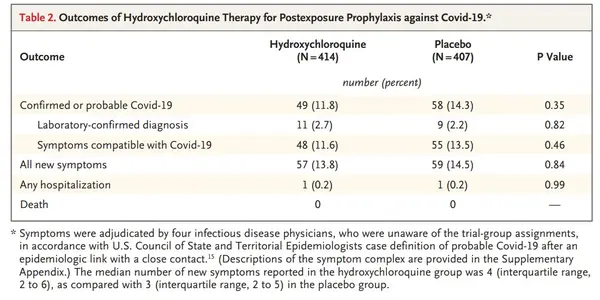
As the search for an effective COVID19 treatment goes on, one therapy keeps re-appearing in the headlines: hydroxychloroquine. Early, observational studies on the use of hydroxychloroquine to treat patients with COVID19 failed to show any real benefits of the drug. The ability of hydroxychloroquine to prevent the development of COVID19, however, remained largely untested. But a study on the effectiveness of hydroxychloroquine to prevent COVID19 has been published and the results are not what anyone was hoping for.

The Set-Up

The Emperor Has No Clothes: The Failure Of Hydroxychloroquine As A COVID-19 Treatment And The Science That Explains It

The Emperor Has No Clothes: The Failure Of Hydroxychloroquine As A COVID-19 Treatment And The Science That Explains It

The antimalarial drug hydroxychloroquine, touted as a miracle cure for COVID-19, appeared to have had it’s Titanic moment, at least according to a study published in the Lancet. The retrospective study analyzed the records of patients from 6 continents and found that not only was hydroxychloroquine not an effective treatment, its cardiac side effects were potentially dangerous. But this was just the tip of the iceberg, and the results were disastrous.

The Study

Getting To The Heart Of The Coronavirus Pandemic

Getting To The Heart Of The Coronavirus Pandemic

Co-authored by by Lauren Philippi, Department of Human Health and Nutritional Sciences, University of GuelphIn late December 2019 an outbreak of
pneumonia cases arose in Wuhan, China. Patients presented with an acute
respiratory illness linked to the 2019 Novel Coronavirus (COVID-19). COVID-19
is a betacoronavirus, similar to Human Severe Acute Respiratory Syndrome (SARS)
and Middle Eastern Respiratory Syndrome (MERS) coronaviruses. SARS and MERS
both cause severe respiratory disease. Although COVID-19 is primarily
considered a respiratory virus, there is a strong link to cardiovascular
disease.COVID-19 — by the numbers