Fossil Huntress

Fossil Huntress

Fossil Huntress

Palaeontology / ARCHEA / In Search of Ancient BC / Clinical Research / Pharmacology / Medicine / FOSSIL HUNTRESS — PALAEO SOMMELIER — If you love palaeontology, you'll love this podcast. Listen to the Fossil Huntress Podcast on Spotify, Google Play, …
RSS Feed
Crinoids: Beauties Of Echinodermata

Crinoids: Beauties Of Echinodermata

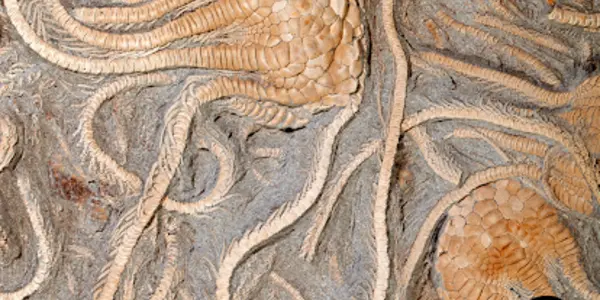
Crinoids are unusually beautiful and graceful members of the phylum Echinodermata. They resemble an underwater flower swaying in an ocean current. But make no mistake they are marine animals. Picture a flower with a mouth on the top surface that is surrounded by feeding arms. Awkwardly, add an anus right beside that mouth. 

Late Cretaceous Fauna: Colinoceras Tarrantense

Late Cretaceous Fauna: Colinoceras Tarrantense

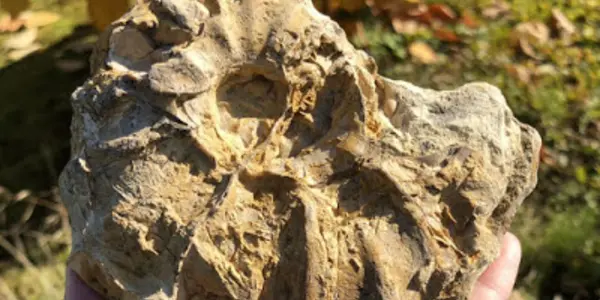
Previously Calycoceras Tarrantense, this ammonite is now Conlinoceras tarrantense after J.P. Conlin, a famous early 20th-century fossil collector from Texas, USA.Ammonite expert Bill Cobban used this collection to describe many Texas Cretaceous ammonites species including this species from Tarrant County, Arlington, Texas. He was a surveyor by training and kept incredibly detailed notes on the context of his fossils.

Living Fossils: Winning The Slow Race Of Time

Living Fossils: Winning The Slow Race Of Time

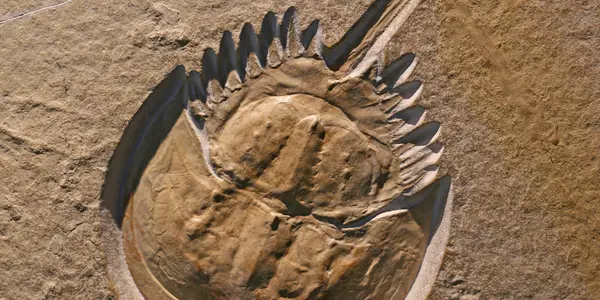
Horseshoe crabs are marine and brackish water arthropods of the order Xiphosura — a slowly evolving, conservative taxa.Much like (slow) Water Striders (Aquarius remigis), (relatively sluggish) Coelacanth (Latimeria chalumnae) and (the current winner on truly slow evolution) Elephant Sharks (Callorhinchus milii), these fellows have a long history in the fossil record with very few anatomical changes. 

Tracking Whale Migration With Barnacles

Tracking Whale Migration With Barnacles

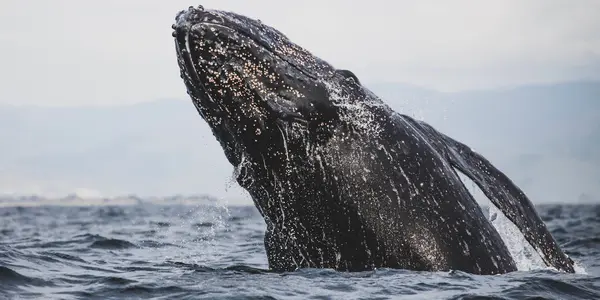
We can trace the lineage of barnacles back to the Middle Cambrian. That is half a billion years of data to sift through. If you divide that timeline in half yet again, we begin to understand barnacles and their relationship to other sea-dwelling creatures — with a lens that reveals ancient migration patterns.Barnacles are in the infraclass Cirripedia in the class Maxillopoda. They are marine arthropods related to crabs and lobsters. 

Playful Waterbabies — Porpoise

Playful Waterbabies — Porpoise

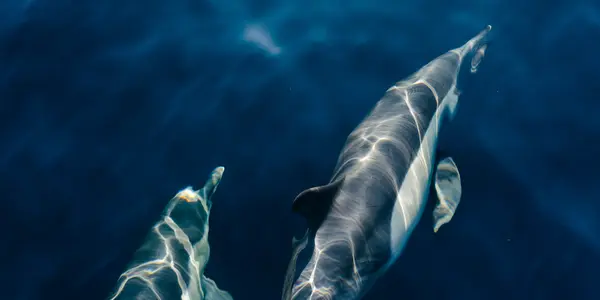
These delightfully friendly and super smart fellows are Dall's porpoise. Porpoise are marine mammals who live in our world's oceans and breathe air at the surface, similar to humans. They have lungs, inhaling and exhaling through a blowhole at the top of their heads instead of through their snouts.In the Kwak̓wala language of the Kwakiutl or Kwakwaka'wakw, speakers of Kwak'wala, of the Pacific Northwest, a blowhole is known as a ka̱'was, whether on a dolphin (porpoise) or whale and a porpoise is known as a k̓ulut̕a. 

East Kootenay Geology

East Kootenay Geology

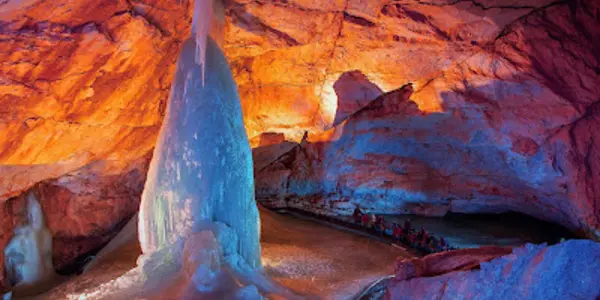
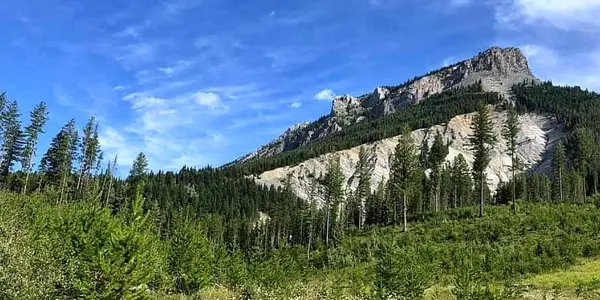
The East Kootenay region on the south-eastern edge of British Columbia is a land of colossal mountains against a clear blue sky. That is not strictly true, of course, as this area does see its fair share of rain and temperature extremes — but visiting in the summer every view is a postcard of mountainous terrain. Rocks from deep within the Earth's crust underlie the entire East Kootenay region and are commonly exposed in the areas majestic mountain peaks, craggy rocky cliffs, glaciated river canyons, and in rock cuts along the highways. Ice Age sediments, deposited during the Ice Ages, form a widespread blanket that covers much of the underlying rock.

Pleistocene Fossil Salmon From The Olympic Peninsula

Pleistocene Fossil Salmon From The Olympic Peninsula

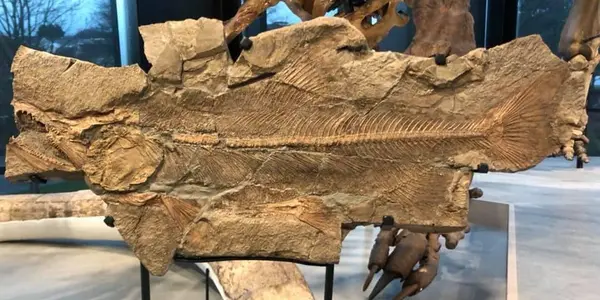
This lovely specimen of Oncorhynchus nerka, a Pleistocene Sockeye Salmon, is from outcrops along the South Fork Skokomish River, Olympic Peninsula, Washington State, USA.I'd expected to learn that the locality contained a single or just a few partial specimens, but the fossils beds are abundant with large, 45–70 cm, four-year-old adult salmon concentrated in a beautiful sequence of death assemblages.

Oldest Crinoid From The Iberian Peninsula

Oldest Crinoid From The Iberian Peninsula

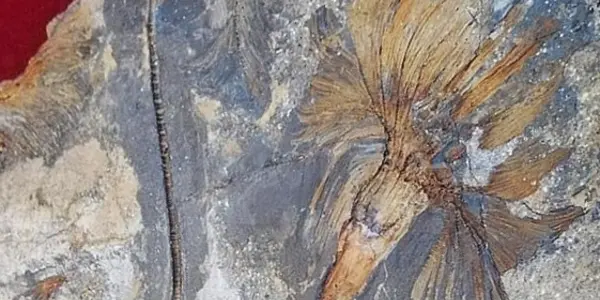
This exceptionally well-preserved crinoid, Delgadocrinus oportovinum, was found on October 11, 1905, by Nery Delgado during his work mapping the geology and paleontology of Portugal. Crinoids are marine animals in the class Crinoidea. They are echinoderms related to starfish, sea urchins, sea cucumbers and brittle stars. Adult crinoids have a mouth located on the upper surface surrounded by feeding arms. These have feathery pinnules and are spread wide to gather planktonic particles from the water.

Decapod Exoskeleton: Calcium Nucleating In The Cuticle

Decapod Exoskeleton: Calcium Nucleating In The Cuticle

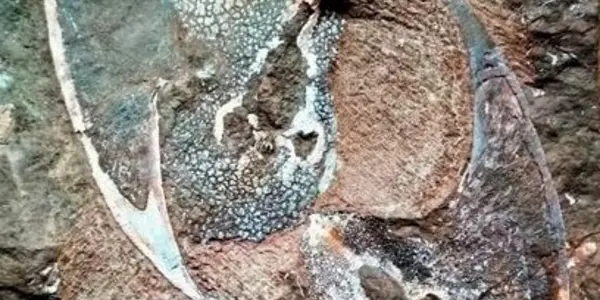
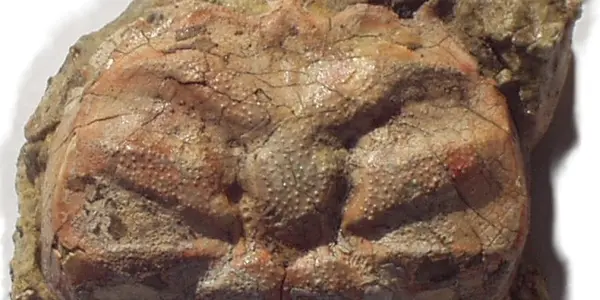
Cuticular structure in a Late Maastrichtian crab, Costacopluma mexicana, from deposits near the town of from near Paredón, Ramos Arizpe in what is now southern Coahuila (formerly Coahuila de Zaragoza), north-eastern Mexico. We see this same species in the Upper Cretaceous Moyenne of Northeast Morocco and from the Pacific slope, Paleocene of California, USA. This beauty is in the collection of José F. Ventura‎.

Ostracoderms To Anglerfish

Ostracoderms To Anglerfish

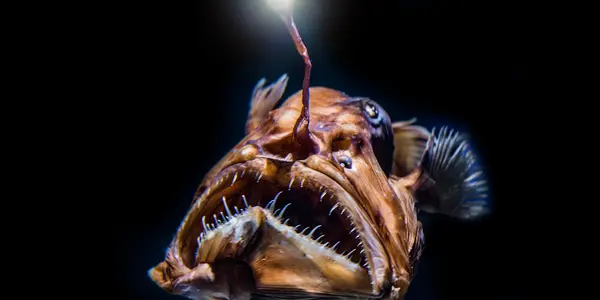
The festive lassie you see here is an Anglerfish. They always look to be celebrating a birthday of some kind, albeit solo. This party is happening deep in our oceans right now. The wee candle you see on her forehead is a photophore, a tiny bit of luminous dorsal spine. In anglerfish' world, it's highly alluring. The photophore is an adaptation used to attract prey and mates alike.

Angiogenesis Enhanced & Acute Wound Healing Improved With Electrical Microcurrent Stimulation

Angiogenesis Enhanced & Acute Wound Healing Improved With Electrical Microcurrent Stimulation

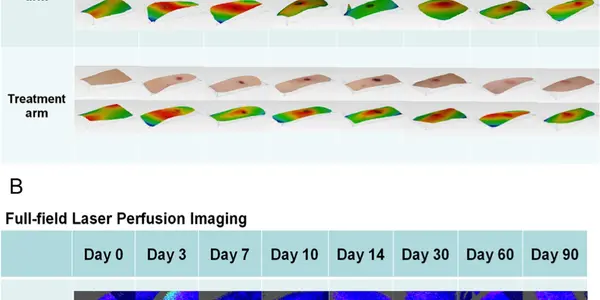
Angiogenesis is a critical component for processes in wound healing and is defined as the formation of new capillaries from pre-existing blood vessels [1, 2]. Insufficient angiogenesis can result in impaired wound healing and chronic wound formation [4–8]. Electrical stimulation (ES) in its various forms has been shown to enhance wound healing by promoting the migration of keratinocytes and macrophages, enhancing angiogenesis, stimulating fibroblasts, and influencing protein synthesis throughout the inflammatory, proliferative and remodelling phases of healing [9–11].