Fossil Huntress

Fossil Huntress

Fossil Huntress

Palaeontology / ARCHEA / In Search of Ancient BC / Clinical Research / Pharmacology / Medicine / FOSSIL HUNTRESS — PALAEO SOMMELIER — If you love palaeontology, you'll love this podcast. Listen to the Fossil Huntress Podcast on Spotify, Google Play, …
RSS Feed
Late Cretaceous Fossils Of The Lone Star State

Late Cretaceous Fossils Of The Lone Star State

Previously Calycoceras Tarrantense, this ammonite is now Conlinoceras tarrantense after J.P. Conlin, a famous early 20th century Texas fossil collector. Ammonite expert Bill Cobban used this collection to describe many Texas Cretaceous ammonites species including this species from Tarrant County, Arlington, Texas. He was a surveyor by training and kept incredibly detailed notes on the context of his fossils.

Sexual Dimorphism: Pliensbachian Apoderoceras

Sexual Dimorphism: Pliensbachian Apoderoceras

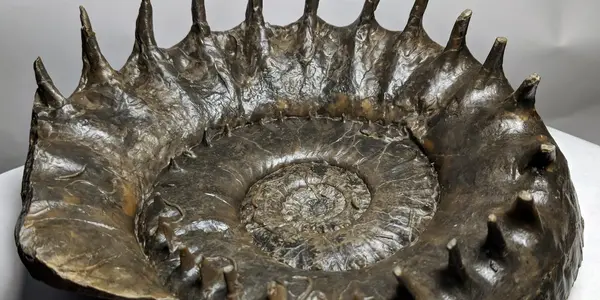
This stunning specimen with her regal ridges (and small anomaly) is an Apoderoceras ammonite, an extinct genus of cephalopod and active predatory mollusk belonging to the subclass Ammonoidea.

McAbee Fossil Beds Re-Open To The Public

McAbee Fossil Beds Re-Open To The Public

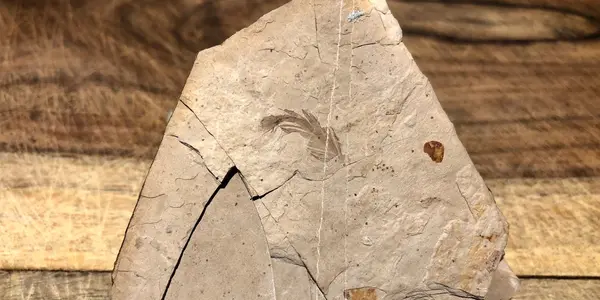
The McAbee fossil beds are known for their incredible abundance, diversity and quality of fossils including lovely plant, insect and fish species that lived in an old lake bed setting 52 million years ago.It is one of the best local sites in the province to experience a fossil dig first-hand. It's an easy 4 hour drive from Vancouver and easily done as a daytrip. The site was designated a Provincial Heritage Site under British Columbia's Heritage Conservation Act back in July of 2012, then promptly closed to the public.

Horseshoe Crabs: Xiphosura Arthropods

Horseshoe Crabs: Xiphosura Arthropods

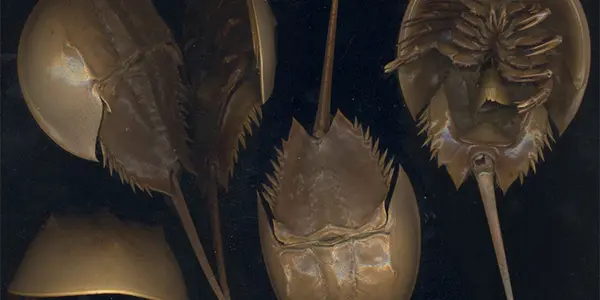
Horseshoe crabs are classic living fossils. These marine and brackish water arthropods of the order Xiphosura are slowly evolving, conservative taxa.

First Nation Middens: History In The Bones

First Nation Middens: History In The Bones

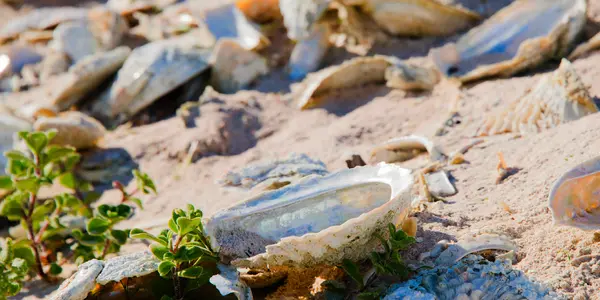
Many First Nations sites were inhabited continually for centuries. These sites were both home, providing continuity and community and also formed a spiritual connection to the landscape. The day to day activities of each of these communities would much like our own. Babies were born, meals were served and life followed a natural cycle.

A New Species Of Edrioasteroid From The Kinzers Formation

A New Species Of Edrioasteroid From The Kinzers Formation

This beautiful specimen is Protoaster Haefneri, a new species of edrioasteroid, an extinct lower Cambrian genus of echinoderm from the Kinzers Formation of York County, Pennsylvania. The specimen was found by and named after Chris Haefner, and is set to be "unveiled" this September at a conference in Moscow, Russia. This is one of only two specimens of this new lower Cambrian genus of echinoderm found in the 520 million years shales of the Kinzers.

Coahuilaceratops Of Northern Mexico

Coahuilaceratops Of Northern Mexico

Coahuilaceratops or "Coahuila Horn Face," is a relatively new genus of Ornithischia Ceratopsidae, a  herbivorous ceratopsian dinosaur who lived during the Upper Cretaceous (late Campanian) near the town of Porvenir de Jalpa (about 64 km / 40 miles west of Saltillo) in what is now southern Coahuila (formerly Coahuila de Zaragoza), northern Mexico.

Ancient Archipelago: Haadala Gwaii-ai

Ancient Archipelago: Haadala Gwaii-ai

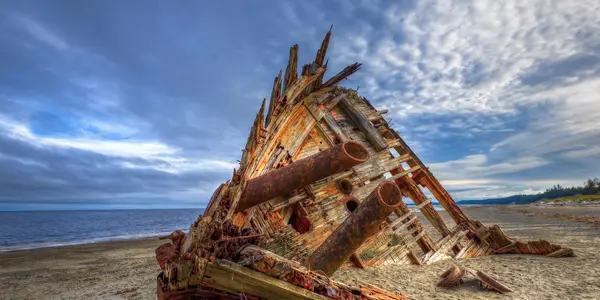
A wreck with tales to tell at Naikoon in Haida Gwaii. The islands have gone by many names. To the people who call the islands home, Haida Gwaii means “island of the people,” it is a shortened version of an earlier name, Haadala Gwaii-ai, or “taken out of concealment.” 

Graptolites: Our Oldest Relatives

Graptolites: Our Oldest Relatives

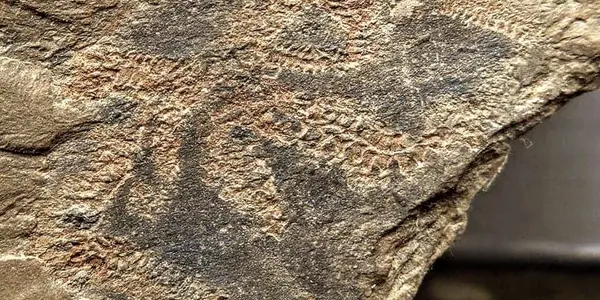
This fellow is the graptolite, Isograptus cf. maximus, from the Piranha Formation, Middle Ordovician (Dapingian), Bolivia.

Haida Gwaii: Birthing Wrangellia

Haida Gwaii: Birthing Wrangellia

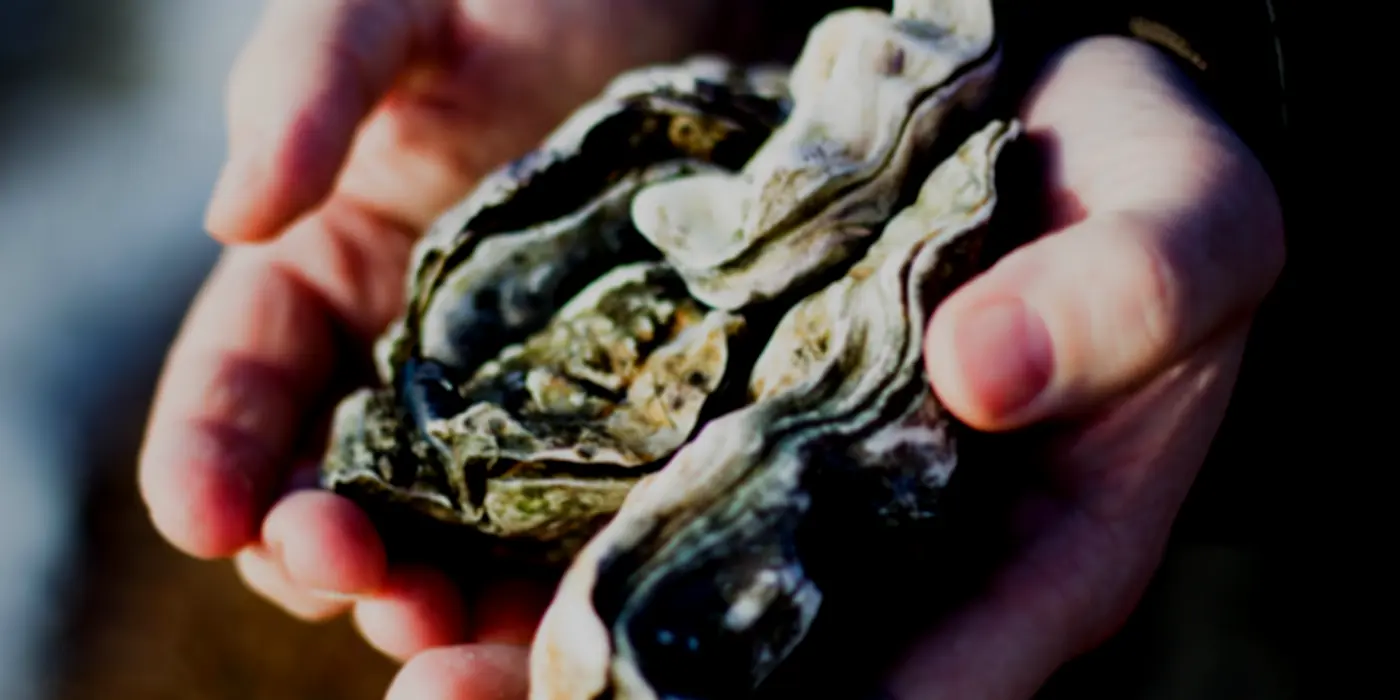
“When the tide is out, the table is set.” This wisdom from those who call Haida Gwaii home is still true today. The enormous difference between high and low tide in Haida Gwaii – up to twenty three vertical feet – means that twice a day, vast swathes of shellfish are unveiled, free for the taking.