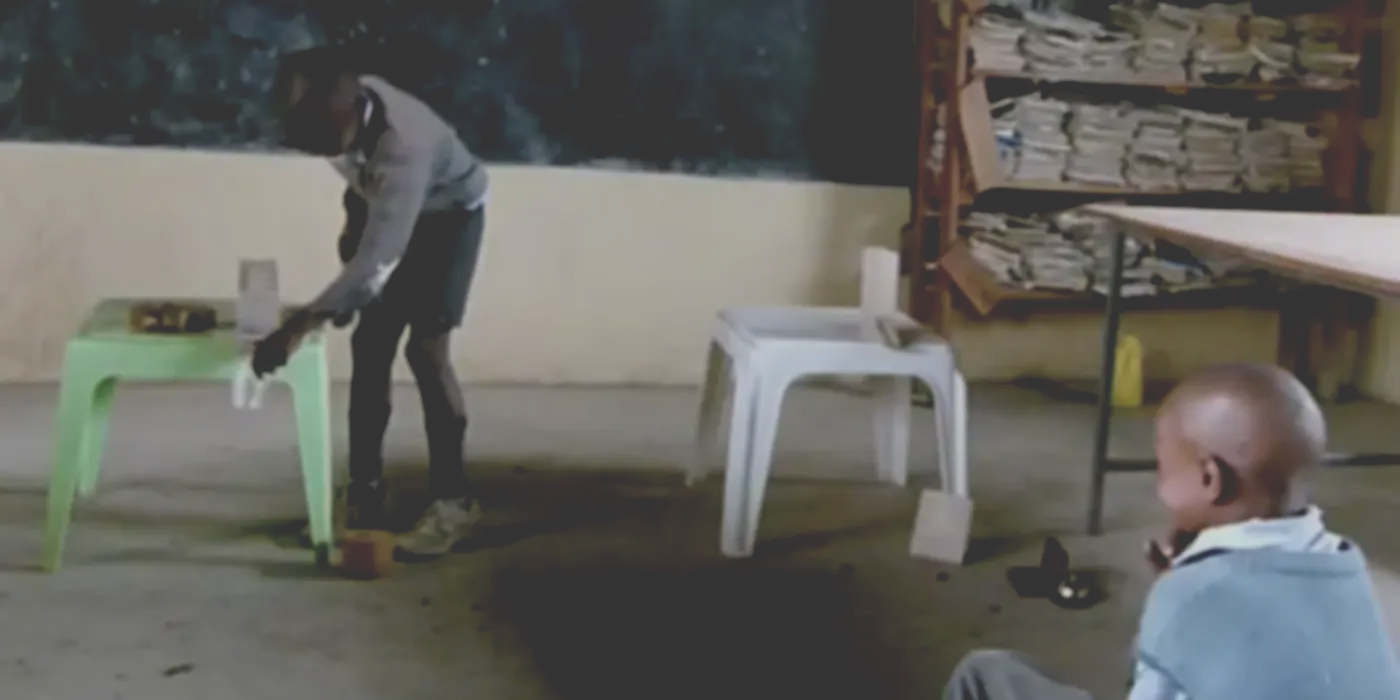
Kids Helping Kids Is Universal - But Cultures Help Differently
A simple game reveals a universal instinct in kids
A simple game reveals a universal instinct in kids


Adapting to climate change could have profound environmental repercussions, according to a new study from the University of East Anglia.
Research in Nature Climate Change reveals that adaptation measures have the potential to generate further pressures and threats for both local and global ecosystems.
Lead researcher Dr Carlo Fezzi, from UEA's School of Environmental Sciences, said: "Climate change is a just a little bit more complicated than we previously thought. We need to take into account not only the direct impact of climate change, but also how people will respond to such change - the impact of adaptation.
"This is a whole new dimension to the climate change adaptation debate."
The first blood test for osteoarthritis could soon be developed, thanks to research by the University of Warwick.
The research findings could potentially lead to patients being tested for osteoarthritis and diagnosed several years before the onset of physical symptoms.
Conducted by the University's Medical School, the research identified a biomarker linked to both rheumatoid and osteoarthritis.
Whilst there are established tests for rheumatoid arthritis (RA), the newly identified biomarker could lead to one which can diagnose both rheumatoid arthritis and osteoarthritis (OA).
A plant scientist from The Australian National University (ANU) has called for the United Nations to guarantee free and open access to plant DNA sequences to enable scientists to continue work to sustainably intensify world food production.
Dr Norman Warthmann, a plant geneticist at the ANU Research School of Biology, has lodged a submission with the UN, which is currently considering issues to include in its 2015 Global Sustainable Development Report.
Food security depends on an acceleration in plant breeding, which could be threatened by private companies restricting access to genomic information, Dr Warthmann said.
Sipuleucel-T (trade name Provenge) has been approved since September 2014 for men with metastatic prostate cancer who have few or no symptoms and do not yet require chemotherapy. In the dossier assessment conducted by the German Institute for Quality and Efficiency in Health Care (IQWiG) in January 2015, no added benefit could be derived for sipuleucel-T.
In an addendum, the Institute now examined information subsequently submitted by the manufacturer in the commenting procedure: According to the findings, there is an indication of added benefit; however, the extent is non-quantifiable.
Mortality: data in the dossier incomplete and not interpretable
A new international study casts doubt on the leading theory of what causes ice ages around the world -- changes in the way the Earth orbits the sun.
The researchers found that glacier movement in the Southern Hemisphere is influenced primarily by sea surface temperature and atmospheric carbon dioxide rather than changes in the Earth's orbit, which are thought to drive the advance and retreat of ice sheets in the Northern Hemisphere.
The findings appear in the journal Geology. A PDF is available on request.
Scientists should reduce antibiotic use in lab experiments - according to a researcher at the University of East Anglia.
Microbiology, molecular biology and genetic research such as the Human Genome Project use antibiotics in experiments.
But it all adds to the global problem of antibiotic resistance according to Dr Laura Bowater, from UEA's Norwich Medical School.
A new article published today in the Journal of Antimicrobial Chemotherapy highlights the problem.
Dr Bowater said: "The discovery of antibiotics was heralded as a magic bullet for modern medicine. Using antibiotics in research has transformed scientific discovery. But now antibiotic resistance is a catastrophic threat -and it threatens the achievements of modern medicine.

Recycling plastic works, additives to biodegrade plastic do not, according to a new study from Michigan State University which finds that several additives that claim to break down polyethylene (i.e., plastic bags) and polyethylene terephthalate (i.e., soda bottles) simply don't work in common disposal situations such as landfills or composting.
"Making improper or unsubstantiated claims can produce consumer backlash, fill the environment with unwanted polymer debris and expose companies to legal penalties," said Susan Selke, co-author of the study and MSU packaging professor.
Credit: Courtesy of MSU
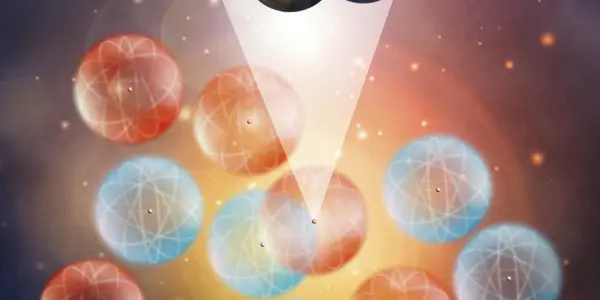
Like dancers swirling on the dance floor with bystanders looking on, protons and neutrons that have briefly paired up in the nucleus have higher-average momentum, leaving less for non-paired nucleons. Using data from nuclear physics experiments carried out at the Department of Energy's Thomas Jefferson National Accelerator Facility, researchers have now shown for the first time that this phenomenon exists in nuclei heavier than carbon, including aluminum, iron and lead.
In January of 2015 the European Food Safety Authority (EFSA) lowered the threshold value for bisphenol A in packaging. The scientific determination behind that is irrelevant at this point, the only times Europe backs off on bizarre science assertions are when it comes to things like making ugly fruit illegal to sell or claiming water does not cure thirst, so companies are stuck with creating dubious alternatives or just using less, but the public is often educated by advertising so they want less of it in the environment.
Chronic pain is a common complaint affecting millions of people worldwide. Because it is often a non-specific symptom, proper treatment strategies are more like 'keep doing things until something works'. A new study has identified a cellular mechanism in the brain of mice that contributes to the development of chronic pain, which the authors believe can lead to a novel pharmacological treatment strategy for chronic pain.
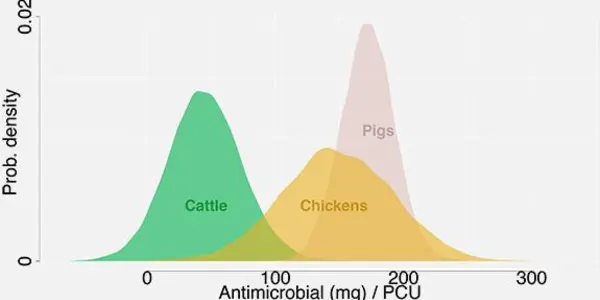
Antibiotic consumption in livestock worldwide could rise by 67 percent from 2010 levels by 2030. What will that mean for the effectiveness of antimicrobials in humans?Five countries - Brazil, Russia, India, China and South Africa - will experience a growth of 99 percent in antibiotic consumption, compared with an expected 13 percent growth in their human populations over the same period. In the United States, antibiotic consumption in animals represents is the overwhelming majority of total antimicrobial sales.

Dark matter is an umbrella term for matter that no one has directly detected but must be out there or physics at the very large scale makes even less sense than it makes now. Since it does not reflect, absorb or emit light, it is invisible, so whatever it 'is' is only known to exist via its gravitational effects on matter as we know it.