You Feel Colder As You Age: The Science Reason Why
Older people report feeling colder, enough that it is clearly happening, but why has been a mystery. Until now.
Older people report feeling colder, enough that it is clearly happening, but why has been a mystery. Until now.


Kids often have excitement or anxiety about the return to school. COVID-19 threw a lot of families into disarray when kids started staying home. And it be may present as they go back. School safety protocols for COVID-19 or other things highlighted in the news such as racial tension could cause increases in anxiety.While a little anxiety is normal, it may that the usual relief found in positive student relationships may disappear along with bullying if kids are again staying home.Here are some tips for navigating the adjustment if kids are going back to school.Image: Nationwide Children's Hospital

When we talk about sight or hearing, the mechanisms that lead us to distinguish two colors or two notes have been well-established and translated into practical use. For example, we know which wavelength will appear red and which frequency will make us hear a G note.We have not made similar progress with smell; we are not able to say how a molecule smells just by looking at its chemical structure.A new paper examines the brain processes involved in the continuous flow of information arriving from our sense of smell.

Music training can make us well-rounded, it may change the way we think, and music is fun, but claims that it makes kids smarter may have hit a sour note.Smart people often play musical instruments as well, so that has led to research trials seeking a causal link between music training and improved cognitive and academic performance, but they have reached conflicting conclusions. Some did suggest - a lot of bad epidemiology happens with that word so caution is warranted - that there may be a link between music training and better cognitive and academic performance. Others found no impact.

In a COVID-19 world, you may not want to visit a doctor but that doesn't mean you have to avoid seeing one. A new RAND evaluation recommends that clinics even hire a telemedicine coordinator to head their efforts and that they consider offering telemedicine services to patients from their homes. It can happen with with modest investments in new staff and technology and can even help expand patients' access to specialized medical care.

Though the world is facing on obesity crisis, at least in the U.S. the culprit is not sugar, it's too many calories of other kinds.Americans are actually eating less sugar than two decades ago, partially thanks to non-nutritive sweeteners.The analysis used a nationally representative dataset on household purchases at the barcode level (Nielsen Homescan) in 2002 and 2018 linked with Nutrition Facts Panel (NFP) data and ingredient information using commercial nutrition databases that are updated regularly to capture reformulations. Keyword searches were performed on ingredient lists to classify products containing various types of non-nutritive sweeteners.

Don't be fooled by those tourist volcanoes that reliably produce small basaltic lava eruptions. A new study shows they hide the same chemically diverse magmas in their underground plumbing systems as volcanoes that generate explosive activity.Some volcanoes in Iceland, Hawai'i and the Galápagos Islands consistently produce lava flows of molten basaltic rock which form long rivers of fire down their flanks. They are so slow, you can outwalk them, and therefore so predictable you can visit them but unless you build a house in front of one, they are safe. Yet they share chemistry in common with Vesuvius or Mt. St. Helens, which means they are not as timid as we think.
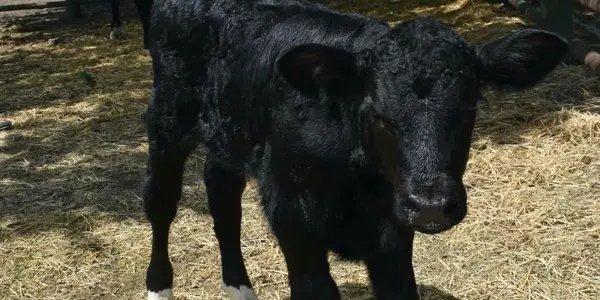
Using the genome-editing technology CRISPR, researchers can make targeted cuts to the genome or insert useful genes, called a gene knock-in, and they have done it with the cattle SRY gene, responsible for initiating male development, into a bovine embryo. This first demonstration of a targeted gene knock-in for large sequences of DNA via embryo-mediated genome editing in cattle will mean it produces male offspring 75 percent of the time.That's not to increase sexism, it's a benefit because male cattle are about 15 percent more efficient at converting feed into weight gain than females. That keeps costs low, especially on the checklist now when we have seen how precarious food supply can be for the poor, and it's better for the environment.

In a 1972 book, "The Mountain People", Colin Turnbull deemed the the Ik ethnic group of hunter-gatherers in the Uganda mountains There was a huge confounder in his work that scientists would've noted immediately and now fellow anthropologists have caught; since the observations were done during a severe famine in the mid-1960s, they did not uncover typical behavior of the Ik. Instead, sharing and cooperating re-emerged once resources were plentiful enough.
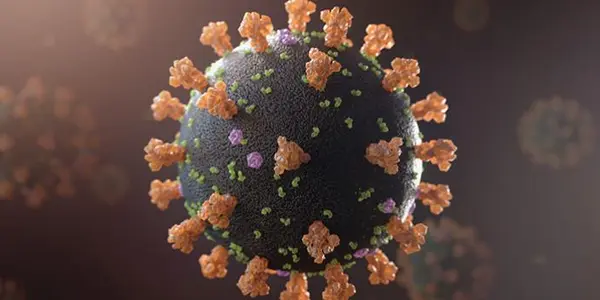
A protein in the viruses causing COVID-19 and SARS is almost identical, which means existing FDA-approved drugs, already tested in mice infected with SARS, could improve the outcomes for COVID-19 patients experiencing severe respiratory symptoms.

In order to evolve you must first survive, and Darwin posited that this "survival of the fittest" was a driver in natural selection. To the casual reader in 1859, cooperation was hard to reconcile with that, but humans had become the apex predator by both cooperating and competing. Cooperation is actually quite common. We have bacteria in our guts which can be helpful or harmful but are often helpful. Root bacteria fix nitrogen from the atmosphere, thus making it available to plants. In return, the plant supplies its root bacteria with nutritious sugars. Our own energy cells, mitochondria, have to have been created after mutually benefiting by trading energy for protection - they even have their own genome.

A recent survey results analysis sought to quantify the happiness of married, formerly married and single people at the end of their lives - to find out just how much love and marriage played into overall well-being. The 7,532 participants were surveyed periodically from ages 18 to 60 and the psychologists sought to determine who reported to be happiest at the end of their lives.

Bees face a variety of challenges in the modern world. Changes to land use and evolving parasites have always been significant issues. For as long as beekeeping records have been kept, 1,100 years, there have been accounts of colony collapse disorder. Just about the only thing science has determined is not killing them off periodically are neonicotinoid pesticides, the one thing environmentalists insist is the problem.While not in crisis, they rebounded fine after the latest periodic blip in numbers, it's good to think about how to prevent losses without incurring the cost of chemicals. One way, according to a new paper, is to prevent spread between species.