Kids Helping Kids Is Universal - But Cultures Help Differently
A simple game reveals a universal instinct in kids
A simple game reveals a universal instinct in kids

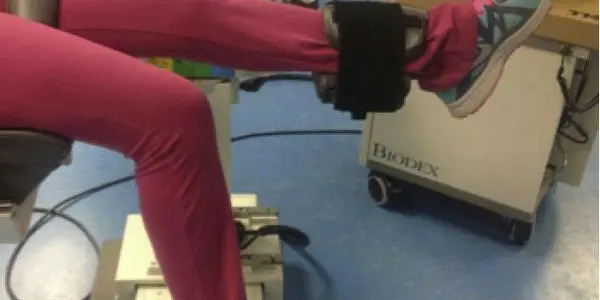
A new study has found that people with multiple sclerosis may reduce perceived fatigue and increase mobility through a series of combined strength training and fitness exercises. The research from the Miguel Hernández University of Elche, supervised by Professor Raúl Reina, aimed to analyze the effects of strength training on the fatigue that MS patients suffer. A total of 19 participants (5 men and 14 women) were split into two groups. Most took part in a 12-week training program, whilst others were included in a control group. The research was conducted in collaboration with the Neurology Department of Elche General Hospital.
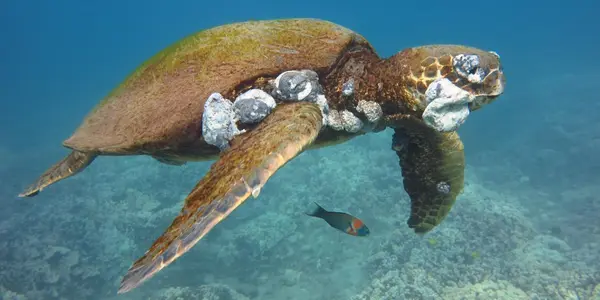
Farm runoff and urban pollution in the Hawaiian islands is causing sea turtle tumors, according to a study in PeerJ.
The paper by researchers at Duke University, the University of Hawaii and the National Oceanic and Atmospheric Administration finds that nitrogen in the runoff ends up in algae that the turtles eat, promoting the formation of tumors on the animals' eyes, flippers and internal organs.

A new report shows early detection of cancer could one day be as easy as a simple blood test. This test, called the "lymphocyte genome sensitivity" (LGS) test, could not only detect some cancers earlier than ever before, but it may eliminate the need for some types of biopsies, as well as identify those more likely to develop cancer in the future.
"The test could allow earlier cancer detection, so helping to save peoples' lives," said Diana Anderson, co-author at the University of Bradford in West Yorkshire, United Kingdom.
Colonoscopies are a very valuable procedure by which to screen for the presence of colorectal cancer but healthy Americans who undergo the uncomfortable examination often have repeat screenings long before they actually should, finds Gina Kruse of Massachusetts General Hospital and colleagues in the Journal of General Internal Medicine.
Bacteria that metabolize ammonia may improve skin health and could even be used for the treatment of skin disorders like acne, finds a new study conducted by AOBiome LLC. Ammonia is a major component of sweat.
In a small study, human volunteers using the bacteria reported better skin condition and appearance compared with a placebo control group.
Seedless watermelon, salmon, and strawberries all have one thing in common - unlike most eukaryotic multicellular organisms that have two sets of chromosomes, these organisms are all polyploid, meaning they have three or more sets of chromosomes. Seedless watermelon and salmon have 3 and 4 sets of chromosomes, respectively, while strawberries have 10.
Most plant species are polyploid. Polyploidy, or genome doubling, was first discovered over a century ago, but only recently, with the development of molecular tools, has it been revealed just how ubiquitous it is. Polyploidy is being increasingly recognized as an important evolutionary force that can facilitate positive adaptations, lead to instant speciation, and increase biodiversity.
Consuming an alcoholic beverage may make men more responsive to the smiles of others in their social group, but now women.
That suggests to psychologists behind a new paper in Clinical Psychological Science that since alcohol increases sensitivity to rewarding social behaviors like smiling, it may contribute to problem drinking among men.
Almost everyone agrees the Western world is over-prescribed; except the people doing the prescribing. Symptom-based medicine stopped being used 50 years ago but when it comes to mood disorders, it is still the norm. And "brief depression symptom measures," the self-administered questionnaires are used in primary care settings to determine the frequency and severity of depression symptoms among patients, are being linked to antidepressant medications being prescribed when they may not be needed, according to a paper in the Journal of the American Board of Family Medicine.

University of Illinois nutritionists say they have found compounds that boost liver detoxification enzymes nearly 5X, and they've found them in the crushed seeds left over after oil extraction from an oilseed crop,
Camelina sativa, used in jet fuel.

Certain bats may be approaching wind turbines after mistaking them for trees, according to a study, and that could be leading to disaster.Propped up by government mandates and subsidies, both solar and wind energy have become more common and thus both have come under criticism. Solar panels are toxic for the environment and their efficiency drops quickly in real-world conditions while wind has been implicated in sleep issues in humans and environmental peril.

Mathematicians have introduced a new element of uncertainty into an equation used to describe the behavior of fluids, which might make it possible to better reflect the inherent uncertainties of the natural world.

Planetary geologists have speculated for decades that glaciers might once have crept through Valles Marineris, the 2,000-mile-long chasm that constitutes the Grand Canyon of Mars. Using satellite images, astronomers have identified features they say might have been carved by past glaciers as they flowed through the canyons but those claims have remained highly controversial and contested. Now, a joint team from Bryn Mawr College and the Freie Universitaet Berlin has identified what could be the first mineralogical evidence of past glaciers within the Valles Marineris: a layer of mixed sulfate minerals halfway up the three-mile-high cliffs of Ius Chasma at the western end of the canyon system.