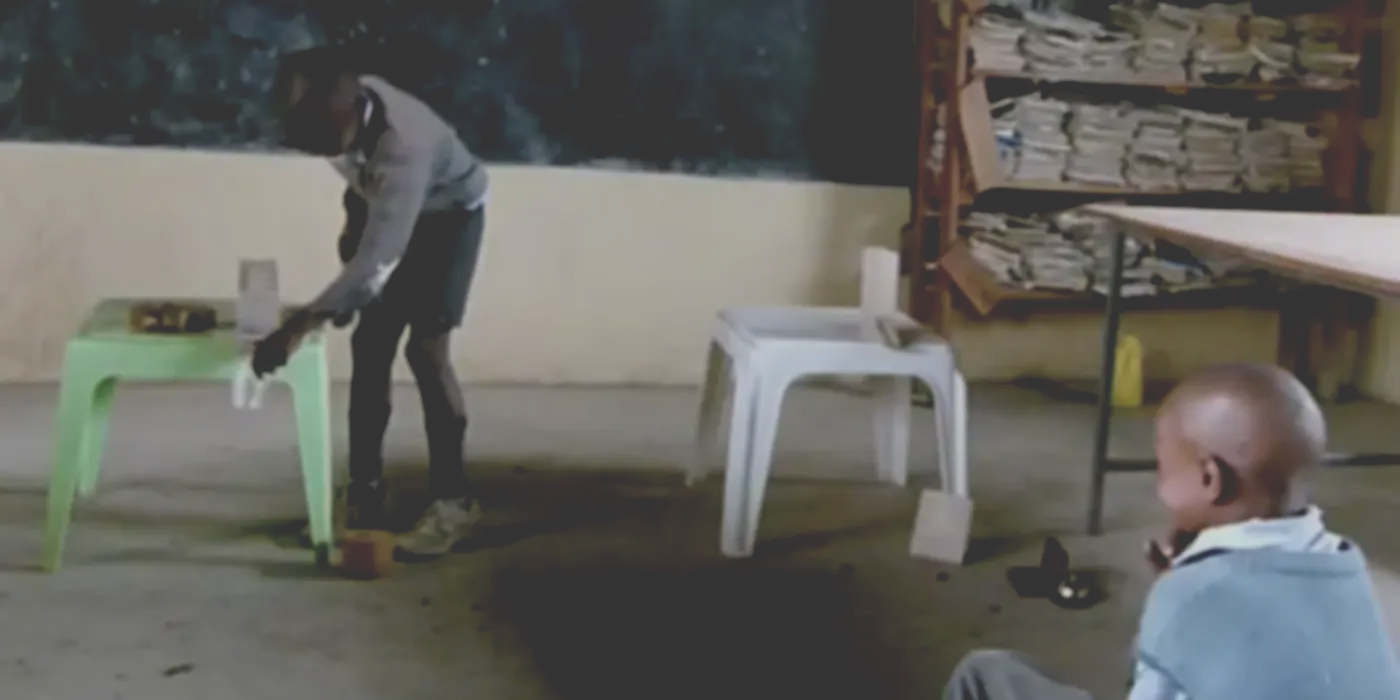
Kids Helping Kids Is Universal - But Cultures Help Differently
A simple game reveals a universal instinct in kids
A simple game reveals a universal instinct in kids


Thousands of fishing traps are lost each year in U.S. waters. These derelict traps continue "ghost fishing" and catch fish, crabs, and other species such as turtles, which results in losses to habitat, fisheries, and the watermen who depend on the resources - losses that are largely preventable, according to a new NOAA paper in the Marine Pollution Bulletin.
The paper looks at the results of seven NOAA-funded studies in different fisheries across the U.S., and compares the severity of the problem, and common management challenges across the regions. It also reports certain findings from the studies for the first time in peer-reviewed literature, such as estimates of derelict trap numbers and how long they remain in the environment.

The tectonic plate that dominates the Pacific "Ring of Fire" is not as rigid as most assume, and it's getting less fiery. according to researchers at Rice University and the University of Nevada.

Epidemiologists have correlated eating over 10 portions per week of tomatoes with an 18 percent lower risk of developing prostate cancer, new research suggests.
Prostate cancer is the second most common cancer in men worldwide and diagnosed rates are higher in developed countries, which some claim means is due to a Westernized diet and lifestyle.
To assess if following dietary and lifestyle recommendations reduces risk of prostate cancer, scholars at the Universities of Bristol, Cambridge and Oxford looked at the diets and lifestyle of 1,806 men aged between 50 and 69 with prostate cancer and compared with 12,005 cancer-free men.

A growing number of consumers are willing to pay a premium for fruits, vegetables and other foods labeled "organic", but whether they're getting what the label claims is another matter.
For over a decade it has been known that since there is no surprise spot testing of farms, and very little on imported food at all, organic labels may be meaningless. A few years ago, 25 percent of the organic food bought from Whole Foods stores was found to be conventional.

Hepatocellular carcinoma (HCC) is the second leading cause of cancer-associated death worldwide, due to the difficulty in treating this cancer using conventional chemotherapeutic drugs such as doxorubicin, epirubicin, cisplatin, 5-fluorouracil or etoposide.

New simulations hope to uncover the origin of the ultraviolet light that bathes the cosmos, helping scientists understand how galaxies were built.
"Which produces more light? A country's biggest cities or its many tiny towns?" asks Dr. Andrew Pontzen, University College London cosmologist and lead author of the study. "Cities are brighter, but towns are far more numerous. Understanding the balance would tell you something about the organisation of the country. We're posing a similar question about the universe: does ultraviolet light come from numerous but faint galaxies, or from a smaller number of quasars?"

Credit: CDC
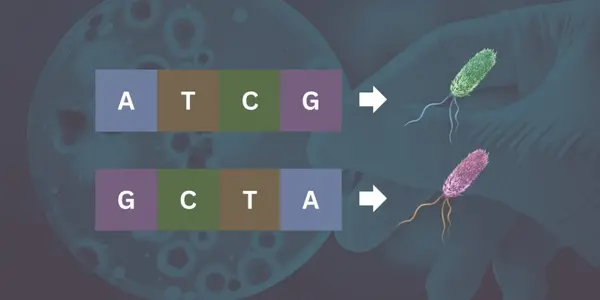
Listeria is a dreaded bacterium that can be found in foods. The bacterium is notoriously difficult to fight because it has an almost uncanny ability to adapt to changes in its surrounding. In the United States, it is more prevalent in products like raw milk, foods that have not been washed, like organic produce, and improperly handled meat.

A look at 634 couples found that the more often they smoked marijuana, the less likely they were to engage in domestic violence.
The scholars attempted to clarify inconsistent findings about domestic violence among pot-smoking couples that primarily has been based on cross-sectional data (i.e., data from one point in time). Looking at couples over the first nine years of marriage, the study found:
More frequent marijuana use by husbands and wives (two-to-three times per month or more often) predicted less frequent intimate partner violence (IPV) perpetration by husbands.
Husbands' marijuana use also predicted less frequent IPV perpetration by wives.

The Holometer, an experiment at Fermi National Accelerator Laboratory, has started collecting data but researchers are not going to wait to start their media blitz; they are throwing out mind-bending speculation, like that perhaps we live in a hologram.
Much like characters on a television show would not know that their seemingly 3-D world exists only on a 2-D screen, we could be clueless that our 3-D space is just an illusion. The information about everything in our universe could actually be encoded in tiny packets in two dimensions.

Biofilms are the first line of defense for harmful bacteria and make the treatment of skin infections especially difficult because microorganisms protected in a biofilm have antibiotic resistance and recalcitrance to treatment.
Biofilm-protected bacteria account for some 80 percent of total bacterial infections in humans and are 50 to 1,000 times more resistant to antibiotics than simpler bacterial infections.
Biofilms often persist in the periphery of an actual wound, beneath an intact, healthy skin layer and the difficulty of their treatment is largely due to the outermost layer of the skin, the stratum corneum, being a natural barrier for drug delivery.
The makeup of the Earth's lower mantle, which makes up the largest part of the Earth by volume, is significantly different than previously thought.
Researchers have devised a new way to separate cells by exposing them to sound waves as they flow through a tiny channel.
Separating cells with sound offers a gentler alternative to existing cell-sorting technologies, which require tagging the cells with chemicals or exposing them to stronger mechanical forces that may damage them.
Their device, about the size of a dime, could be used to detect the extremely rare tumor cells that circulate in cancer patients' blood, helping doctors predict whether a tumor is going to spread.