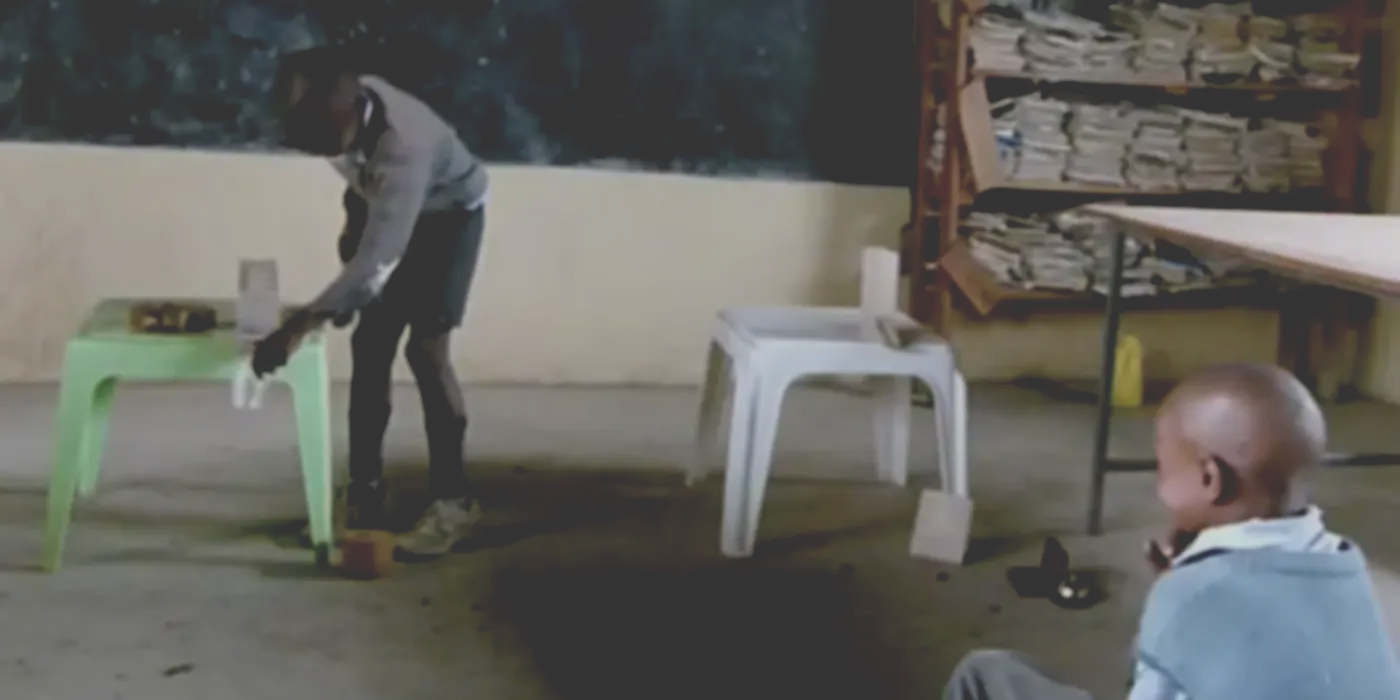
Kids Helping Kids Is Universal - But Cultures Help Differently
A simple game reveals a universal instinct in kids
A simple game reveals a universal instinct in kids


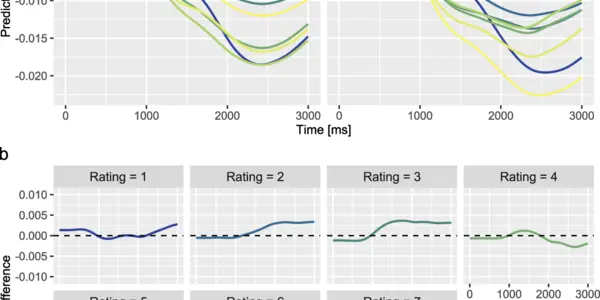
When people hear the sound of footsteps or the drilling of a woodpecker, the rhythmic structure of the sounds is striking, says Michael Wehr, a professor of psychology at the University of Oregon, and even when the temporal structure of a sound is less obvious, as with human speech, the timing still conveys a variety of important information.
Neurons in the brain use two different languages to encode information: temporal coding and rate coding.
Neurons are more independent than previously believed - a finding which has implications for a range of neurological disorders and how nerve cells in the brain generate the energy needed to function.
The brain requires a tremendous amount of energy to do its job. While it only represents 2 percent of the body mass of the average adult human, the brain consumes an estimated 20 percent of body's energy supply. Unraveling precisely how the brain's cells - specifically, neurons - generate energy has significant implications for not only the understanding of basic biology, but also for neurological diseases which may be linked to too little, or too much, metabolism in the brain.
A new study shows an "alarming rise" in the costs of drugs used to slow the progression of multiple sclerosis (MS) or reduce the frequency of attacks over the last 20 years.
Yet this increase occurred even as there was a substantial increase in the number of MS drugs in the marketplace, which would ordinarily lead to lower or stabilized costs for patients who use those drugs, especially for first-generation therapies.
The costs of MS drugs accelerated at rates 5X to 7X higher than prescription drug inflation and substantially higher than rates for drugs in a similar class between 1993 and 2013, the researchers report. Drug costs for several MS agents rose on average 20 to 30 percent per year over this time period.

Stem cells cling to feeder cells as they grow in petri dishes and it has been thought that this attachment occurs because feeder cells serve as a support system, providing stems cells with essential nutrients.
A new study has discovered the trigger behind the most severe forms of cancer pain. Released in top journal Pain this month, the study points to TMPRSS2 as the culprit: a gene that is also responsible for some of the most aggressive forms of androgen-fueled cancers.
The work focused on cancers of the head and neck, which affect more than 550,000 people worldwide each year. Studies have shown that these types of cancers are the most painful, with sufferers experiencing pain that is immediate and localized, while pain treatment options are limited to opioid-family pharmaceuticals such as morphine.
Since the majority of head and neck cancer patients are men, the team investigate a genetic marker with a known correlation to prostate cancer - TMPRSS2.
Pediatric research discoveries over the past 40 years have led to prevention and treatment strategies that have saved millions of lives worldwide and seven of the greatest research achievements were presented on Sunday, April 26 at the Pediatric Academic Societies annual meeting at the San Diego Convention Center.
"Today, we often take these research discoveries for granted," said presenter Tina Cheng, MD, MPH, FAAP, chair of the American Academy of Pediatrics Committee on Pediatric Research. "Because of research and science in these seven areas, American children are healthier and safer today and will grow up to be healthier adults."
Researchers have identified a single, simple metric to guide antibiotic dosing that could bring an entire arsenal of first-line antibiotics back into the fight against drug-resistant pathogens.
A computer simulation created by Hannah Meredith, a biomedical engineering graduate fellow at Duke University, revealed that a regimen based on a pathogen's recovery time could eliminate an otherwise resistant strain of bacteria. In theory, a database of recovery times for bacterial and antibiotic combinations could allow first-line antibiotics to clear many resistant infections.
Work to create such a database is underway and early tests are confirming her model's predictions.
The introduction of abuse-deterrent OxyContin, coupled with the removal of propoxyphene from the US prescription marketplace, are getting the credit for decreasing opioid prescribing and overdoses in JAMA Internal Medicine.
Those two changes led to a 19 percent drop in prescription opioid supply that was mirrored by a 20 percent drop in prescription opioid overdose between August 2010 and December 2012. The drop in prescription opioid overdose was partially offset by an increase in overdose due to heroin, an illicit opioid.
Household pets can transmit infection to people, especially those with weak immune systems, young children, pregnant women and seniors, according to a new study. Health care providers and pet owners should be aware of this risk to prevent illness in vulnerable people.
Surveys suggest that the general public and people at high risk for pet-associated disease are not aware of the risks associated with high-risk pet practices or recommendations to reduce them; for example, 77% of households that obtained a new pet following a cancer diagnosis acquired a high-risk pet," states Dr. Jason Stull, assistant professor, Department of Veterinary Preventive Medicine, Ohio State University, Columbus, Ohio.
The immune-boosting properties of breast milk have long been known and experiments in mice are beginning to show another way how. A team of scientists led by Johns Hopkins pediatric surgeon-in-chief David Hackam, M.D., Ph.D., says their experiments reveal how breast milk works to ward off the development of necrotizing enterocolitis (NEC), a devastating intestinal disorder that affects 12 percent of premature babies and claims the lives of one in four of those who have it.
If affirmed in human studies, the experiments could pave the way to new preventive approaches to stave off NEC in premature babies and spark the development of treatments for those who develop the condition.
Following a first seizure, physicians should discuss with patients whether it is appropriate to prescribe medication to reduce risk of another seizure, according to new guidelines released at the latest American Academy of Neurology meeting.
Human tumors grown in mouse models have long been used to test promising anti-cancer therapies. However, when a human tumor is transplanted into a mouse, the mouse immune system must be knocked down so that it doesn't attack the foreign tumor tissue, thus allowing the tumor to grow. A University of Colorado Cancer Center study describes a new model, XactMice, in which human blood stem cells are used to grow a "humanized" mouse immune system prior to tumor transplantation.