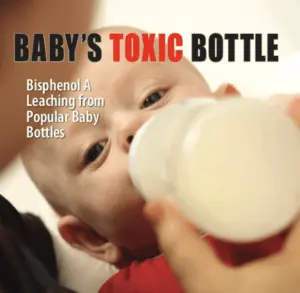
In modern times, breastfeeding has become more culture war than health epidemiology. Activists have created nearly as much disinformation around infant formula as they have weedkillers and food coloring. The United Nations World Health Organisation uses epidemiology with little scientific credibility to decree that babies should breastfeed for a full six months, which is impractical for about 95 percent of women.
"Breast is best" is mommy shaming, plain and simple, fed is best.
In reality, some women can't express milk well, and infant formula is fine. You wouldn't know that reading claims about lower IQ and other bizarre maladies if you can't breastfeed.
Before 2021, you knew everything you needed to know about the science acumen of people who believed this nonsense. Then Republicans decided that is how they wanted to compete with Democrats. Luckily, the European left is still as reliably ridiculous as they have been for decades.
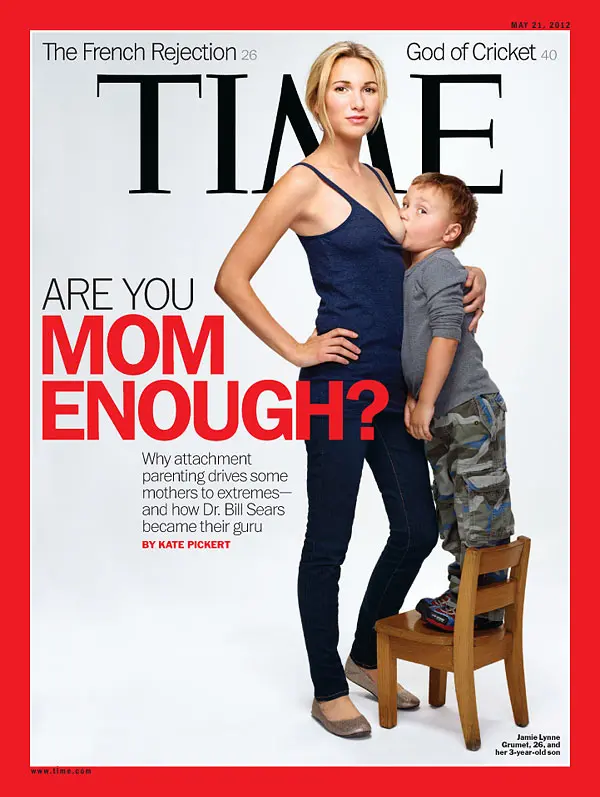
It instead became popular for coastal white women to breastfeed well beyond it being weird, a strange 'I am a Sneetch with a star' virtue signal.
A new paper says hospitals have now created the opposite problem; by talking with women about normal variation they have reduced breastfeeding.
The authors highlight three things that lead to more formula and that hospitals need to stop promoting in wards:
1. Stop telling women it is common for early milk production to be insufficient, leading to premature formula supplementation, even if that makes mothers feel better.
2. Stop telling mothers a pacifier is bad.
3. Stop focusing on breast pumps, a pamphlet is enough.

That's enough internet for today. Image: Storyblocks
To men, a lot of the rhetoric seems needlessly social authoritarian but women have grown a thick skin about being patronized by other women. Still, women who just spent a year being told everything in their house was causing brain disease and only a really expensive alternative would prevent it don't need yet another thing to trigger postpartum mental health issues.
The authors say that by telling women breast milk can be slow at first, it sets off an alarm in new mothers that they are starving their child, when early on colostrum is fine. Pacifiers won't impact breastfeeding and it may give you an hour of sleep so hospitals should not discourage those. And don't go right to a breast pump because you are concerned your baby won't have enough food otherwise.
The short answer is, you got this new moms. One hundred billion women before you didn't have everyone telling them they're wrong and the kids grew up just fine.
Citation: Maria Di Chiara & Gianluca Terrin (2026). Colostrum is enough, the pacifier is not the enemy, and the pump can wait: a narrative review of common misconceptions affecting early breastfeeding in healthy term neonates. The Journal of Maternal-Fetal & Neonatal Medicine, 39(1). DOI: 10.1080/14767058.2026.2671562