Alcohol is a legitimate class 1 carcinogen but if you are going to roll the dice with cancer, tariffs have made it more affordable.
In 2018, the Trump administration began to place retaliatory tariffs on countries that had been penalizing American producers for decades. When he entered the White House again in 2025, his critical look at how other countries treated American products continued but claims about tariffs then and more recently have been mostly the usual political populism.
A recent analysis of 11.4 million sales of American whiskey products looked at prices before and after countries retaliated against retaliation (imported whiskey was not tariffed by the U.S. but countries penalized our exports) and found that while most distillers lowered prices to gain more domestic market share after being penalized abroad in 2018, some southern distilleries (Kentucky and Tennessee) appealed to America First patriotism and raised prices. And it worked.
Everyone paid less due to tariffs unless the distilleries were part of state heritage. Then people paid more.
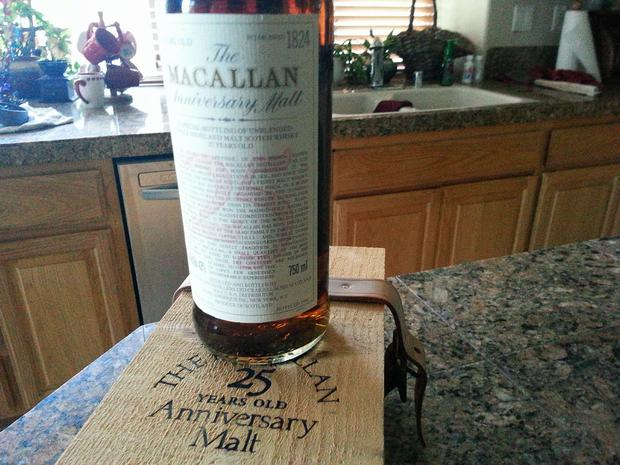
I may be critical of the American Medical Association for giving alcohol a free pass despite it being more dangerous than cigarettes (no doctor told people to smoke cigarettes "in moderation") but that doesn't mean this proper whisky that went into production in 1971 and into this bottle in 1997 won't get cracked open when I am 80.
Like states that grow tobacco for cigarettes, it is a mystery for others but, like politics, all economics is local.
Citation: Carlyle S. Burd, Duke Ferguson; Domestic Product Market Impacts of Politically Motivated Foreign Tariffs. The Accounting Review 2026; DOI:10.2308/TAR-2024-0708