There's an asymmetrical dilemma among native populations, say ecologists. They should be opposed to oil extraction, because they are told to be, but many are not.
Instead, they welcome progress even as they recognize it will change their way of life. If their way of life was poverty and subsistence living, this makes sense. It's only romantic for ethnographers from wealthy countries who are just visiting. In this case, the visitor is a Ph.D. in International Development. I had trouble getting the best AI on the planet to come up with a definition of that which doesn't just sound like humanities major wanting to do social justice and even it didn't come up with 'someone who insists native people think there will be benefits but they never materialize.'
While it is true that benefits never materialize under socialism, and that has been Ecuador's problem for decades, the people of Alaska and Pennsylvania disagree that energy is not an economic benefit compared to government employees and the academics government panels fund. There is river pollution, the ecologist notes, but bizarrely links it to oil extraction near the Lower Napo River rather than people living there who are causing pollution, which is known to be the case. Ecuadorian citizens banned and halted the oil drilling. Yet it's still causing pollution years later? No, it was polluted before the socialist Ecuadorian government cleverly announced their new Yasuní-Ishpingo–Tambococha–Tiputini Initiative to shake down wealthy countries for money - and then built it after they got the money anyway.
The 'oil company' being demonized is the Ecuadorian government; Petroecuador is the official oil company of the people. Socialists loved that idea when they created it and ran it for 34 years. Voters, convinced by western outsiders that climate change was causing their hydroelectric dams to fail then banned it. Then they booted the socialists out of office.
Suddenly western activists are taking long vacations there to log how awful natives think it is. Except natives don't. They have heard the same promises from Europeans for decades. It never happens, as Ukraine recently learned when Europe claimed they'd help against Russian invaders. “In my community, no one is going to oppose. Because it’s money and source of jobs. How come will they oppose, if the people don’t have anywhere to poop? We are fed up with making small holes in the bushes,” one is quoted as saying.
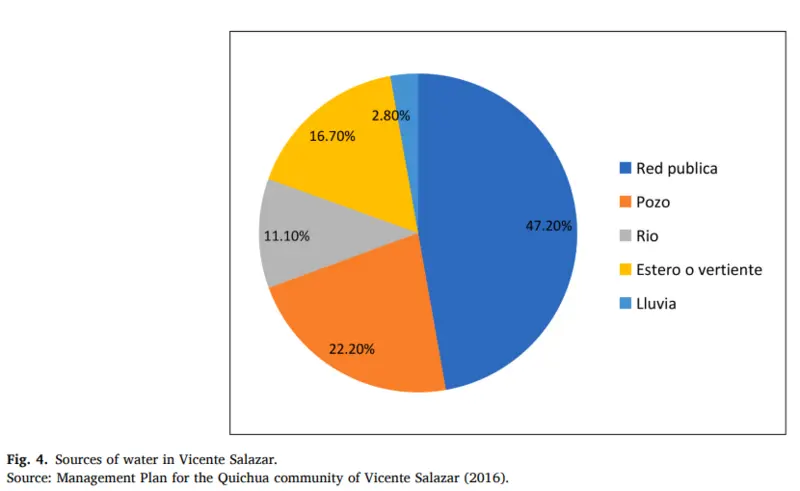
Should people have clean water? Of course, but people there are living in poverty, keeping their backyards tidy was not the priority for ancient people of the past either. Bottled water won't fix the problem because the pollution is created by people, not an explosion that their government incompetence caused in 1998. The Tennessee Valley Authority in the United States made energy affordable nearly 100 years ago and within one generation, living became affordable. Literacy and all forms of culture improved. Energy is a basic need and with it affordable, food stops being a luxury.
It's fine to evangelize against oil companies, that is what white privilege is all about, but it is a little silly to do that while offering nothing except starving as an alternative.
Citation: Julie Dayot, Asymmetrical dilemmas and oil compromises on an extractive frontier, Geoforum, Volume 178,
2027, 104861, ISSN 0016-7185, DOI:10.1016/j.geoforum.2026.104861.