You Feel Colder As You Age: The Science Reason Why
Older people report feeling colder, enough that it is clearly happening, but why has been a mystery. Until now.
Older people report feeling colder, enough that it is clearly happening, but why has been a mystery. Until now.


Atmospheric levels of carbon monoxide (CO) in the 1950s were actually slightly higher than what we have today, according to a first-ever study of air trapped in the deep snowpack of Greenland - results that contradict current computer model predictions that there are much higher CO concentrations over Greenland today than in 1950.
In a new paper, Vasilii Petrenko, an assistant professor of earth and environmental sciences, concluded that CO levels rose slightly from 1950 until the 1970s, then declined strongly to present-day values. This finding contradicts computer models that had calculated a 40 percent overall increase in CO levels over the same period.
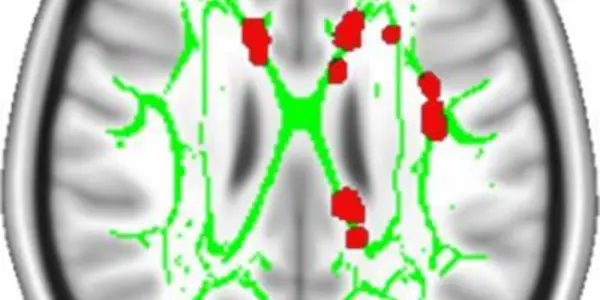
The brain's structure may predict whether a person will suffer chronic lower back pain, according to researchers who used brain scans and say the results support the growing idea that the brain plays a critical role in chronic pain, a concept that may lead to changes in the way doctors treat patients.
A new citizen science project allows you to explore the open ocean from the comfort of your home. You can 'dive' hundreds of feet deep, and observe the unperturbed ocean and the myriad animals that inhabit the earth's last frontier.
The goal of the project is to enlist volunteers to classify millions of underwater images to study plankton diversity, distribution and behavior in the open ocean - even cheaper labor than post-docs.

Young women with breast cancer often overestimate the odds that cancer will occur in their other, healthy breast, and decide to have the healthy breast surgically removed - a procedure known as a contralateral prophylactic mastectomy, the removal of a nonaffected breast in a woman with unilateral breast cancer -- despite knowing it will be unlikely to improve their chance of survival.
The survey results show a certain disconnect between what many patients know on an abstract, intellectual level -- that CPM has little impact on survival rates for most women -- and the choices they make after receiving the anxiety-inducing diagnosis of breast cancer, the authors say; better safe than sorry.
A small pilot study has found that changes in diet, exercise and stress management may result in longer telomeres, the parts of chromosomes that affect aging - the first controlled trial to show that any intervention might lengthen telomeres over time.
Telomeres are the protective caps on the ends of chromosomes that affect how quickly cells age. They are combinations of DNA and protein that protect the ends of chromosomes and help them remain stable. As they become shorter, and as their structural integrity weakens, the cells age and die quicker.
In recent years, shorter telomeres have become associated with a broad range of aging-related diseases, including many forms of cancer, stroke, vascular dementia, cardiovascular disease, obesity, osteoporosis and diabetes.
A new paper has found that vaccinating cattle against the E. coli O157 bacterium could cut the number of human cases of the disease by 85%.
The bacteria, which cause severe gastrointestinal illness and death in humans, are spread by consuming contaminated food and water, or by contact with livestock feces in the environment. Cattle are the main reservoir for the bacterium. The vaccines that are available for cattle are rarely used.
The study used veterinary, human and molecular data to examine the risks of E. coli O157 transmission from cattle to humans, and to estimate the impact of vaccinating cattle.
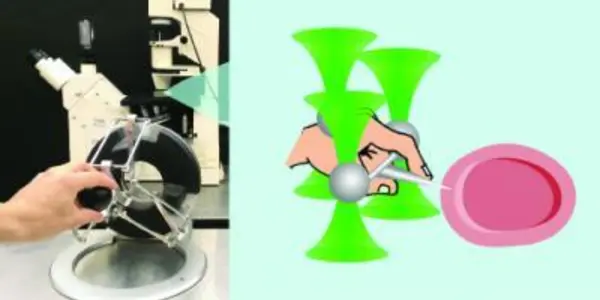
Researchers at Université Pierre et Marie Curie in France have unveiled a new technique that allows microscope users to manipulate samples using a technology known as haptic optical tweezers.
The new technique allows users to explore the microworld by sensing and exerting piconewton-scale forces with trapped microspheres with the haptic optical tweezers, allowing improved dexterity of micromanipulation and micro-assembly.
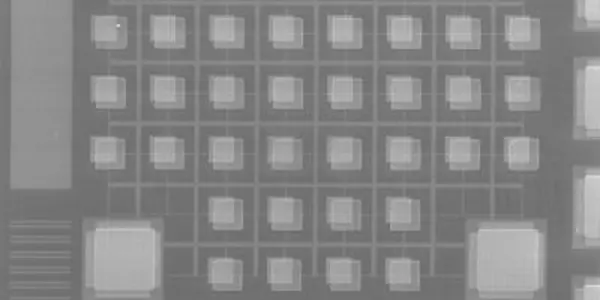
An environmentally-friendly electronic alloy consisting of 50 aluminum atoms bound to 50 atoms of antimony may be promising for building next-generation "phase-change" memory devices, which could be an alternative to slower speed, lower storage density flash memory for data storage applications.
Phase-change memory relies on materials that change from a disordered, amorphous structure to a crystalline structure when an electrical pulse is applied. The material has high electrical resistance in its amorphous state and low resistance in its crystalline state -- corresponding to the 1 and 0 states of binary data.
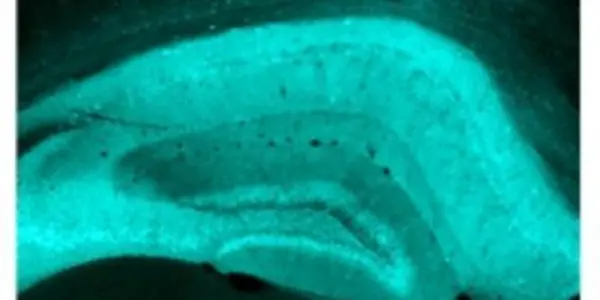
It often takes several weeks to feel the effect of newly prescribed antidepressants - a lingering mystery and a frustration to both patients and physicians.
CREB, and CREM to some degree, has been implicated in the pathophysiology of depression, as well as in the efficacy of antidepressants. However, whenever CREB is deleted, CREM is upregulated, further complicating the story.
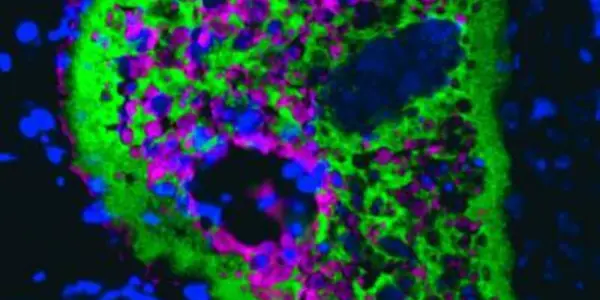
A new study has found that not only does fish skin resemble the gut morphologically, but key components of skin immune responses are also akin to those of the gut.
Fish skin is unique in that it lacks keratin, the fibrous protein found in mammalian skin that provides a barrier against the environment. Instead, the epithelial cells of fish skin are in direct contact with the immediate environment: water. Similarly, the epithelial cells that line the gastrointestinal tract are also in direct contact with their immediate milieu.
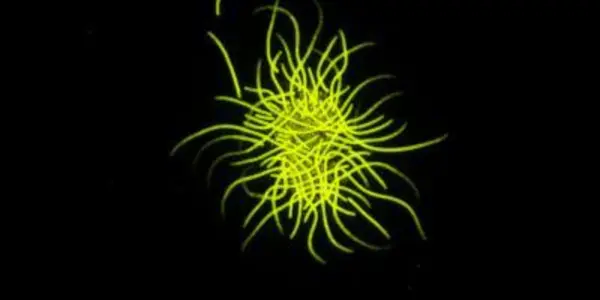
The cyclic wobble of the Earth on its axis, axial precession, controls the production of "fixed" nitrogen, a nutrient essential to the health of the ocean, according to a new study.
Before there was life on Earth, there was a primordial soup of molecules, and at some point a specialized molecules began replicating. This self-replication kick-started a biochemical process that would lead to the first organisms.
How those molecules began replicating has been one of science's enduring mysteries.
In the early 1980s, researchers found that ribozymes — RNA enzymes — act as catalysts. It was evidence that RNA can be both the blueprints and the chemical catalysts that put those blueprints into action. This finding led to the "RNA World" hypothesis, which posits that RNA alone triggered the rise of life from a sea of molecules.