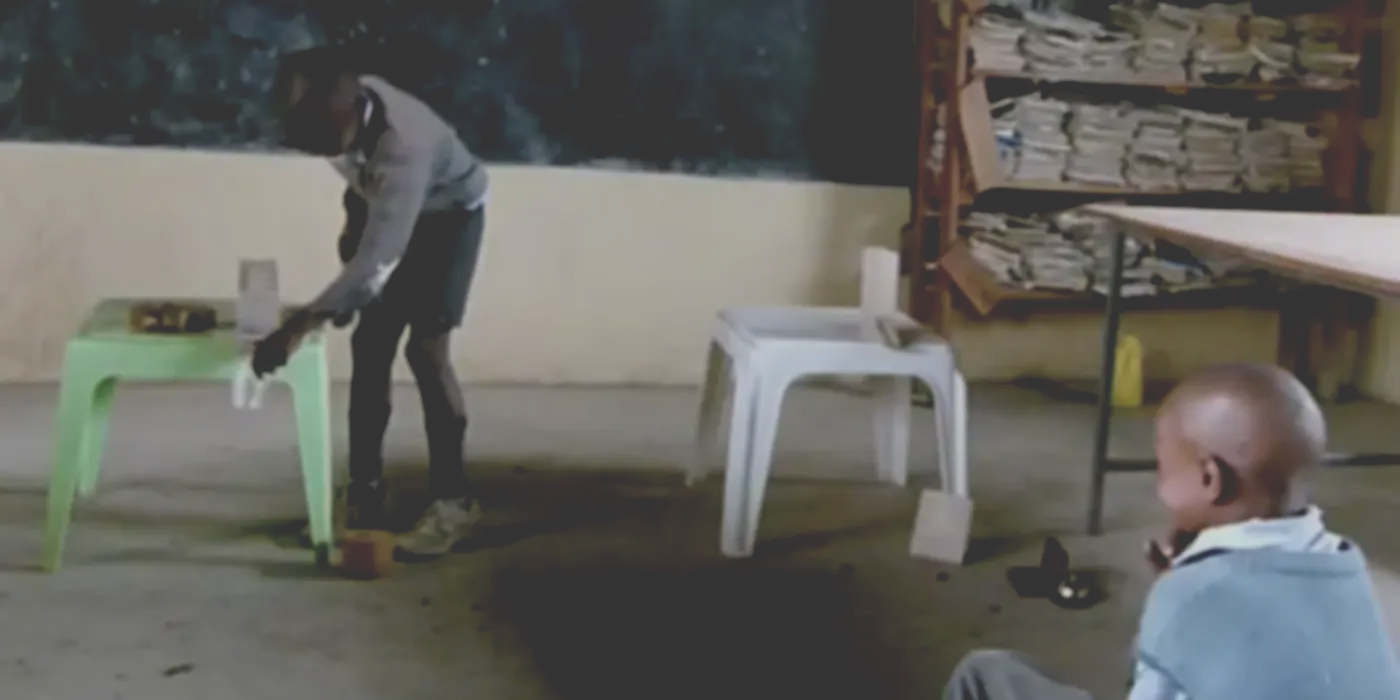
Kids Helping Kids Is Universal - But Cultures Help Differently
A simple game reveals a universal instinct in kids
A simple game reveals a universal instinct in kids


A team of researchers have published new data that could prove vital for advances in care for women who suffer from recurrent miscarriage.
The recurrent loss of pregnancy through miscarriage causes significant distress to couples, often exacerbated by there being so few treatments available to clinicians.
The search for an effective treatment has been the cause of significant controversy in the field of medical research, centering on the role of natural killer cells (or NK cells) and the ability of steroids to prevent miscarriage.
Scientists have been uncertain about how these NK cells could contribute to a miscarriage and this has raised doubt over their importance in causing pregnancy loss.

20 years ago, El Niño had an uncorrected impact on the data that went into global warming models, causing puzzling results. Now, those results have been corrected and instead of El Niño impacting global warming, global warming could be impacting El Niño.
Using coral samples from Kiribati, researchers have outlined how El Niño Southern Oscillation (ENSO) cycle has changed over the past 4,300 years - altering the cycles of El Niño and La Niña events that bring extreme drought and flooding to Australia and many other Pacific-rim countries. The new paper suggests that external changes have an impact on the strength and timing of El Niño events.

Astronomers has begun to map the location of the most massive and mysterious objects in our galaxy – the Southern Milky Way and its giant gas clouds, where new stars are born.
Nootkatone, the substance behind the citrus flavor and aroma of grapefruit that is already used in beverages and prestige perfumes, may be heading for a new use in battling mosquitoes, ticks and other pests thanks to a less expensive way of making large amounts of the once rare and pricey ingredient.
Nootkatone previously had to be harvested from tons of grapefruit and is an excellent example of the potential for developing new pesticides based on natural sources. Nootkatone is a component of the oil in grapefruit, and has been on the U.S. Food and Drug Administration's list of substances generally recognized as safe for use in food.
The human brain is adept at linking seemingly random details into a cohesive memory that can trigger myriad associations — some good and some not so good. For recovering addicts or individuals with post-traumatic stress disorder (PTSD), unwanted memories can make recovery difficult. For example, former meth addicts report intense drug cravings triggered by associations with cigarettes, money, even gum, which makes them more likely to stumble during recovery.Scientists have been able to erase drug-associated memories in mice and rats without affecting other more benign memories. Their discovery points to a clear and workable method to disrupt unwanted memories while leaving the rest intact.Changing the Structure of Memory
Attila E. Pavlath, Ph.D., who turned fresh-cut apple slices into a popular convenience food, outlined advances in keeping other foods fresh, flavorful and safe for longer periods of time through the use of invisible, colorless, odorless, tasteless coatings.
Since Medicaid paid for 45 percent of the 4 million births in the United States in 2010, and that has been rising steadily, a new paper says that the Affordable Care Act (ACA) and expanding Medicaid even more may lead to improved coverage of well-woman and maternity care — and perhaps result in better health outcomes.
Previously, data on Medicaid funding of births did not exist in a comprehensive form so the authors collected all such data on Medicaid births from individual states during the years 2008 to 2010.
Trailer park residents are one of the few demographics it's still okay to stereotype but, as is usually the case, low-income trailer park residents form distinct groups with different visions of morality, according to a new paper. In other words, they are no more easy to quantify than anyone else.
Dingoes have been unfairly blamed for the extinctions of the Tasmanian tiger (thylacine) and the Tasmanian devil, a new study has found.
The Australian dingo is commonly blamed for the demise of thylacines and devils on the mainland about 3,000 years ago but Aboriginal populations and a shift in climate were more likely responsible.
The researchers created mathematical models to replicate the dynamic interaction between the main potential drivers of extinction (dingoes, climate and humans), the long-term response of herbivore prey, and the viability of the thylacine and devil populations.
The models included interactions and competition between predators as well as the influence of climate on vegetation and prey populations.
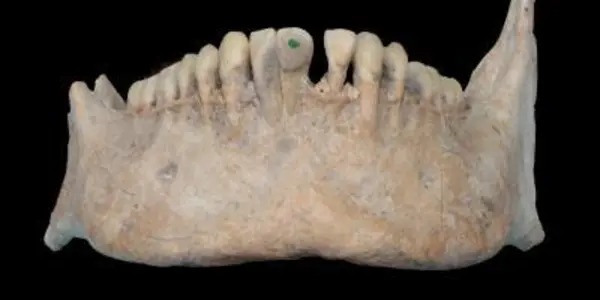
A mass grave in an artificial cave in the historical Maya city of Uxu has uncovered the skeletons of 24 people in an approximately 32 square meter artificial cave that had formerly been used as a water reservoir.
"Aside from the large number of interred individuals, it already became apparent during the excavation that the skeletons were no longer in their original anatomical articulation," says archaeologist Nicolaus Seefeld from the University of Bonn.
Translation:They were decapitated and dismembered around 1,400 years ago.
Scientists have developed a strain of the Middle East respiratory syndrome coronavirus (MERS-CoV) that could be used as a vaccine against the disease, according to an upcoming paper.
Since MERS was first identified in June 2012, the World Health Organization has been notified of 108 cases of infection, including 50 deaths. Although the total number of cases is still relatively small, the case fatality rate and the spread of the virus to countries beyond the Middle East is alarming to public health officials. If the virus evolves the ability to transmit easily from person to person, a much more widespread epidemic is possible. Diagnostic assays and antiviral therapies for MERS have been described, but reliable vaccines have not yet been developed.
Mosquitoes may seem like just a nuisance but they are more deadly to humans than any other animal. The Anopheles mosquito, for example, transmits malaria.
Researchers are on the path to using substances that occur naturally on human skin and block mosquitoes' ability to smell and target their victims
in order to grant people, pets and livestock an 'invisibility cloak' against these blood-sucking insects.