You Feel Colder As You Age: The Science Reason Why
Older people report feeling colder, enough that it is clearly happening, but why has been a mystery. Until now.
Older people report feeling colder, enough that it is clearly happening, but why has been a mystery. Until now.


New research may offer some hope to women whose fertility has been compromised by the side-effects of cancer therapy or by premature menopause.In a new study, researchers from Monash University and Prince Henry's Institute of Medical Research found that two proteins, PUMA and NOXA, cause the death of egg cells in the ovaries. Blocking the activity of the proteins may lead to new strategies to protect women's fertility.They focused their studies on primordial follicle oocytes, egg cells which provide each woman's lifetime supply of eggs. Low numbers of these egg cells can also cause early menopause.

Dentistry has been around for almost long as people have had teeth go bad but evidence for dentistry is another matter entirely. We don't pull off an arm when it is sore so the first human to figure out that pulling something attached to the skull would help keep people alive was taking nearly as big a chance as the first patient.Ancient evidence of prehistoric dentistry has been discovered in a Neolithic graveyard in Pakistan and other findings in a Neolithic graveyard near Parma have detailed creative tooth work. An artificial tooth from the cemetery of Gebel Ramlah, Egypt, dates back 5,500 years.

Combat traits usually get most of the attention from researchers, because they are thought to have arisen due to intense male-male competition for access to females. Large, elaborate weapons become the focus of sexual selection studies because the connection is obvious. Collared lizards (Crotaphytus collaris), for example, have bite force correlated with head width, and it positively predicts the number of offspring produced in a breeding season, suggesting sexual selection on head morphology and the role of attacking traits.
Laboratory modified corn has shown some progress in treating a rare, life-threatening childhood genetic disease. Researchers have been developing enzyme therapeutics for lysosomal storage diseases - rare but devastating childhood genetic diseases – for more than a decade. In the most severe forms of these inherited diseases, untreated patients die in early childhood because of progressive damage to all organs of the body and currently, enzyme treatments are available for only six of the more than 70 diverse types of lysosomal storage diseases.
Doctors don't want to be general care physicians, they want to specialize, and it is a problem that will only get worse because it involves money.Primary care physicians are at the heart of health care in the United States, they are the first to diagnose patients and ensure those patients receive the care they need. But faced with increased regulations, paperwork, the onslaught of defensive medicine, malpractice costs and staggering medical school bills, many are instead opting to become specialists.
Health Robotics today announced that it has entered the Blood/Plasma Automation Industry by leveraging its technology across the Pharmaceutical and Blood/Plasma industry sectors. They also announced the general availability of embedded Radio-frequency identification (RFID) for its Sterile Compounding Automation solutions i.v.STATION, i.v.SOFT, and i.v.STATION ONCO. These RFID upgrades will be showcased at the upcoming ASHP Midyear Meeting&Exhibition (American Society of Health-System Pharmacists) on December 2-6 in Las Vegas.
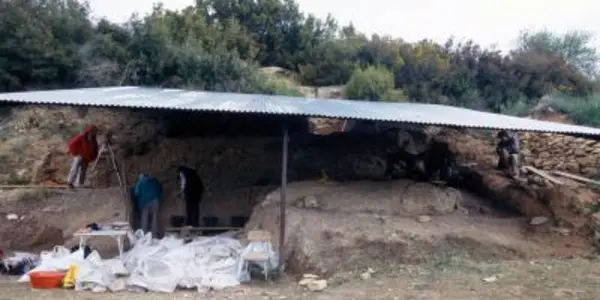
Humans of the Upper Palaeolithic Age recycled and repurposed their stone artifacts to be put to other uses, according to a group of anthropologists after examining burnt artifacts found in the Molí del Salt site in Tarragona, Spain.How could they make that determination? Finding that stone tools during prehistoric times were recycled is not going to be apparent in archaeological records.
Gravitational lensing has found MACS1149-JD1, which was created less than 500 million years after the Big Bang, making it the most remote galaxy ever to be observed. Our universe came into being approx. 13.7 billion years ago with a Big Bang. 400 to 500 million years later, conditions in the cosmos allowed for the formation of the first stars but it was believed there was almost no hope of ever receiving a signal from any object of this time period; if there already were galaxies back then, their brightness would be far weaker than the light of a candle on the moon.
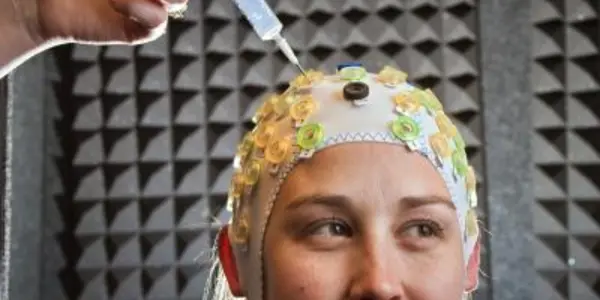
You have heard of biofeedback, controlling bodily responses using audio or visual cues to map performance. It may be possible to do that with learning, a kind of neurofeedback, according to research at Sandia National Laboratories. They show that it's possible to predict how well people will remember information by monitoring their brain activity while they study.

Early in the morning of September 12th the Dark Energy Camera (DECam), the most powerful sky survey instrument yet built, mounted on the Victor Blanco Telescope at the Cerro Tololo Inter-American Observatory in Chile recorded its first images of a southern sky spangled with galaxies.
An international team of scientists say they may have discovered why female killer whales have the longest menopause of any non-human species - it could be they worry about their adult sons. New research says that males over 30 have an almost 14-fold chance of dying during the year following the death of their mother.

A massive Roman mosaic, from the apex of Imperial reach and power, has been unearthed in southern Turkey.