194 Year Old Tortoise DNA Shows Lifestyle Diseases Accelerate Aging
A new analysis of Aldabra tortoise DNA shows what scientists have long argued; if humans don't smoke, drink alcohol, or get obese we age better.
A new analysis of Aldabra tortoise DNA shows what scientists have long argued; if humans don't smoke, drink alcohol, or get obese we age better.


A new study examined the effects of marijuana use of 1,003 adults aged 22 to 36 from the Human Connectome Project collected between August 2012 and 2015 and found that 63% of heavy lifetime cannabis users exhibited reduced brain activity during a working memory task, while 68% of recent users also demonstrated a similar impact.
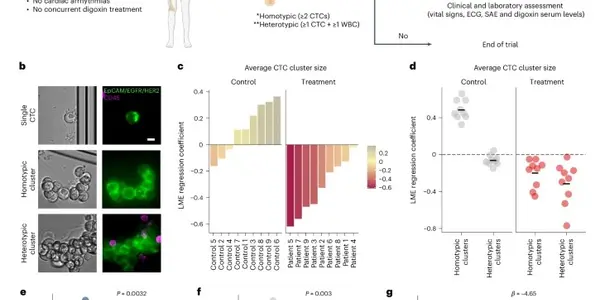
While off-label uses of medication may be controversial in political media, in science and health they lead to important gains. A new example is the cardiac disease drug digoxin used at a low and safe dosage for one week for nine patients with metastatic breast cancer.

An analysis of 300 million United Kingdom Ministry of Transport test records, which tries to estimate the ‘health’ of every vehicle on UK roads between 2005 and 2022 and determine potential vehicle longevity (basically survival rates for different powertrains) has concluded that electric vehicles now match the lifespans of conventional counterparts and may even be more reliable.
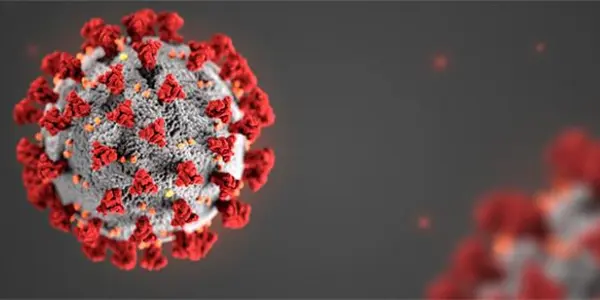
"Long Covid", the lingering effects of the COVID-19 pandemic that erupted in Wuhan, China in 2019 and spread worldwide, causing millions of deaths, is difficult to pin down.Pediatricians report it affects on average 0.5% of children who got the disease caused by the SARS-CoV-2 coronavirus that caused COVID-19. It has a few names, like Post-Acute Sequelae of SARS-CoV-2, but Long Covid is the common term, and is generally characterized as persistence of COVID-19 symptoms 12 weeks or more weeks after the disease.
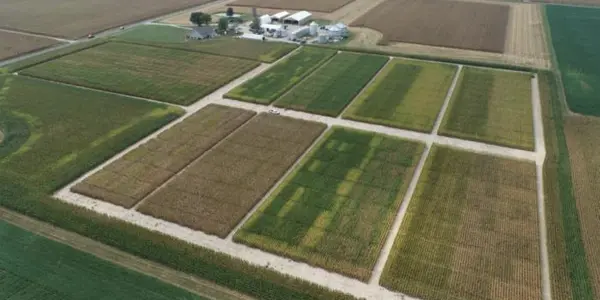
Soybeans greatly benefit from nitrogen-fixing bacteria, which reduces the need for fertilizer, and a new study shows that gene-edited bacteria can supply the equivalent of 35 pounds of nitrogen from the air during early corn growth as well. Agricultural scientists tested products from Pivot Bio called PROVEN and PROVEN 40, which includes one and two species of soil bacteria, respectively, that turn atmospheric nitrogen into plant-available forms. An edited gene involved in nitrogen fixation makes more of it available so more of it at planting means the bacteria colonize plant roots.
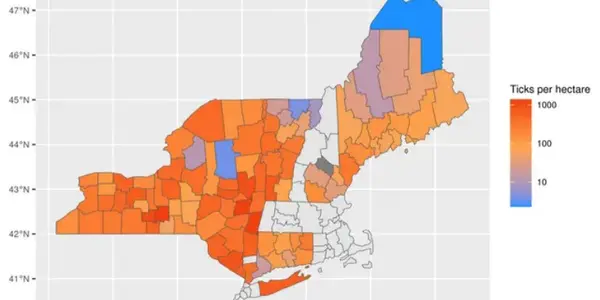
If you want to avoid ticks in the woods, wear long clothing or use a scientifically-proven repellent like DEET, IR3535 , or picaridin. Forget products claiming they are 'green' or have citronella, there is a reason that people who buy alternatives to DEET are over-represented in getting lyme disease. Alternatives don't work and, if you are in the northeast, 50% of adult ticks will carry Lyme disease bacteria so you are flipping a coin by avoiding science.
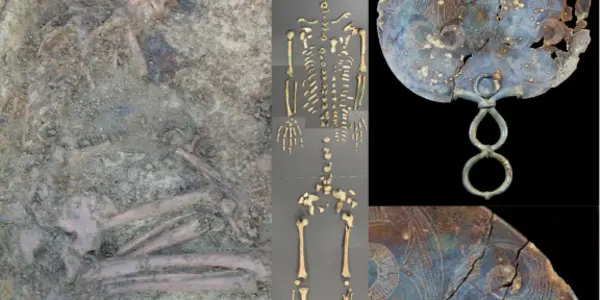
In British Iron Age society, land was inherited through the female line and husbands moved to live with the wife’s community. Strong women like Margaret Thatcher resulted.That was inferred due to DNA sequenced from members of a single community, over 50 ancient genomes from a set of burial grounds in Dorset, that were in use before and after the Romans tried to do in AD 43 what they did to Israel a few decades later. They reconstructed a family tree with many different branches and found most members traced their maternal lineage back to a single woman from centuries before while relationships through the father’s line were almost absent.
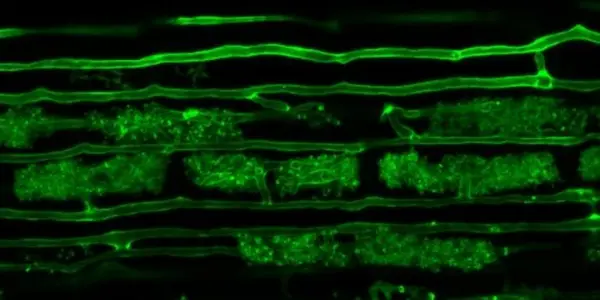
Production of most major foods involve nitrate and phosphate fertilizers, but excessive fertilizer use is bad for the environment. That is why scientists came up with modern technologies that use less fertilizer and, on the other end, fewer pesticides. But some countries or processes like "organic" ban modern products, so their nitrogen runoff is excessive. Perhaps a new form of genetic engineering will be the first product to be allowed under their marketing guidelines since Mutagenesis.

Climate has always shifted but concerns about faster changes brought on by the modern world have led the authors of a new paper to worry that current high-volume sources of apples could lose their apex status to other areas.The paper in the pay-to-publish journal Environmental Research Letters analyzed over 40 years of climate conditions they correlate to the growth cycle, bud break to fruit, of apple trees. They sound the alarm that the largest apple-producing counties in the US (Yakima in Washington, Kent in Michigan and Wayne in New York) have already been impacted.
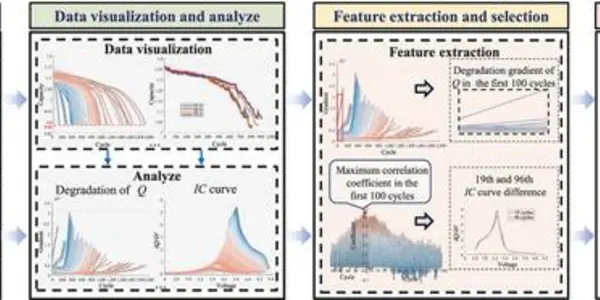
Electric cars and solar and wind energy alternative schemes have a few crippling limitations; low energy densities and unavailability when people need energy most. Batteries could help with that second one except current batteries are legacy technology that are held back by subsidies and mandates, not improved.
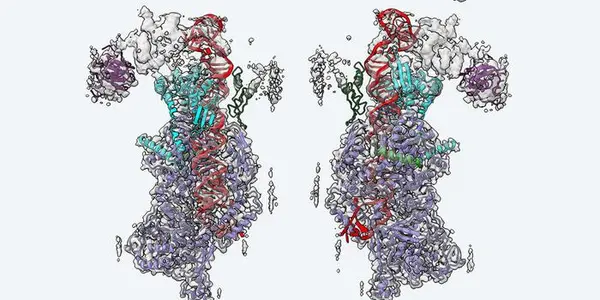
Since being discovered in 1993, microRNAs have gone on to win a Nobel Prize in Physiology or Medicine, thanks to private sector uptake with the COVID-19 vaccines that saved the world during the pandemic that emerged from Wuhan, China in early 2020. Errors in the manufacture of over 1,000 microRNAs can put us at risk for developmental disorders, cancer, or neurodegenerative disease and a new study looks at a molecular machine called Microprocessor (MP), which trims longer molecules called primary microRNAs (pri-miRNAs) - without cutting other kinds of RNA that resemble pri-miRNAs.
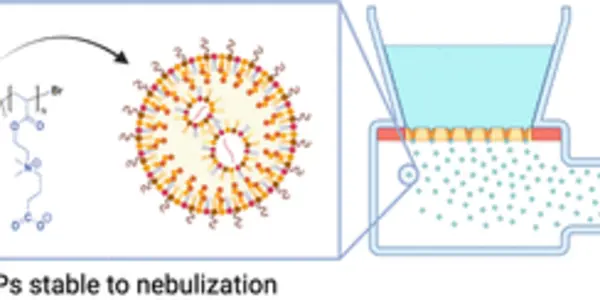
No one likes getting a needle but most want a vaccine. A new paper shows progress for messenger RNA (mRNA), that can be sprayed and inhaled thanks to improved lipid-polymer nanoparticle technology for holding mRNA that is stable when nebulized and successfully delivers aerosols, liquid droplets, in mouse lungs. A mouse study means this is only EXPLORATORY but the authors of the paper, including scientists from oRNA Therapeutics (RNA medicine) and Moderna (mRNA medicine), have filed for a patent while they get ready to see about human trials.