194 Year Old Tortoise DNA Shows Lifestyle Diseases Accelerate Aging
A new analysis of Aldabra tortoise DNA shows what scientists have long argued; if humans don't smoke, drink alcohol, or get obese we age better.
A new analysis of Aldabra tortoise DNA shows what scientists have long argued; if humans don't smoke, drink alcohol, or get obese we age better.


Attorney Robert F. Kennedy Jr. and his US followers over the last 25 years have staunchly opposed vaccines, latching on to any claim that they cause autism or should be available for lawsuits even if they harm no one.They really won't like a new experimental vaccine for Smallpox and Monkeypox that avoids the side effects of a current live virus version while not needing two doses, as the replication-deficient virus version does. It uses the horsepox virus as a protective agent to confer the safety of a multi-dose vaccine in a single shot.

General medicine, routine visits and such, have gradually gone from M.D.s to including Osteopaths and now Physicians Assistants with no decline in quality, and Large Language Models, colloquially called "Artificial Intelligence", like ChatGPT can assist at very low cost.
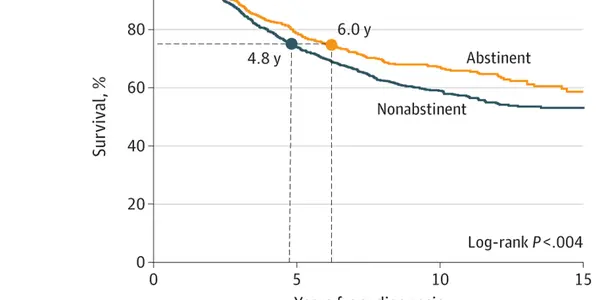
Cigarettes are the top lifestyle risk factor for getting cancer, though alcohol and obesity have begun to close the gap as awareness of the risks of cigarettes, coupled with more nicotine smoking cessation and harm reduction tools, have caused cigarette use to decline.Even if you get cancer, quitting smoking improves outcomes.
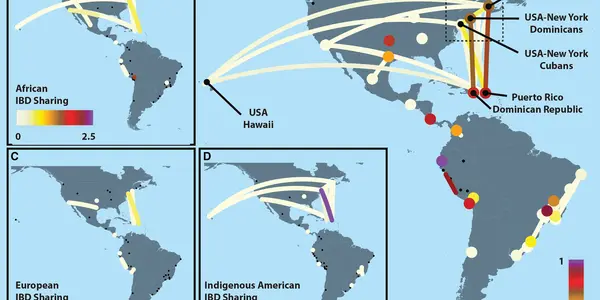
When Senator Elizabeth Warren had her claims of native ancestry debunked by DNA testing, it was a warning shot to everyone who identifies that way - don't take a test. Most native Americans had long said that anyway, they knew how biology worked better Washington DC staffers. After five generations there is a chance there will be no evidence of an ancestor so natives have long told their communities not to participate. If there are only a few hundred in a database, the database is meaningless and natives tribes can continue their 'we agree you are and you agree you are native' policy rather than having evidence.
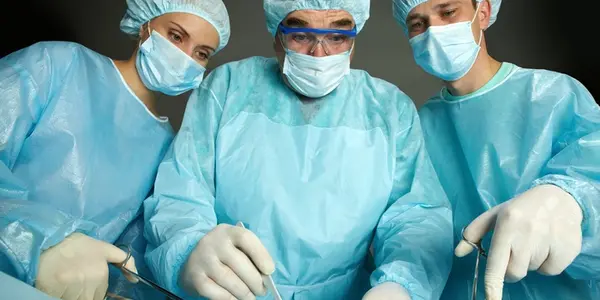
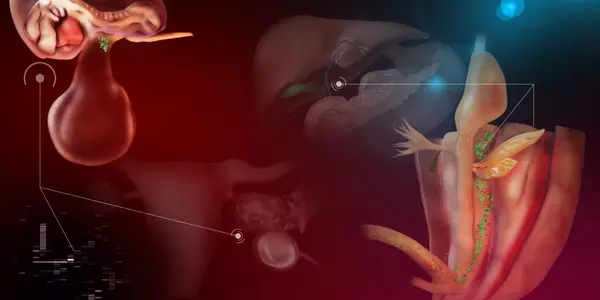
Testicular cancer is the most common solid tumor in young men, with approximately 10,000 diagnoses in the U.S. each year.

It is easy for wealthy countries to spend $135 billion on an organic food process that uses higher quantities of older, more toxic pesticides at greater environmental strain, because it is a niche luxury item.In countries that are poor, which often means outside natural breadbasket climates, the organic food process means cycles of famine and starvation. Science can help with that. Like humans, plants have a natural ability to adapt to unfavorable weather conditions but nature is only about individual survival, and humans need to think about yields if we're going to keep land use limited.
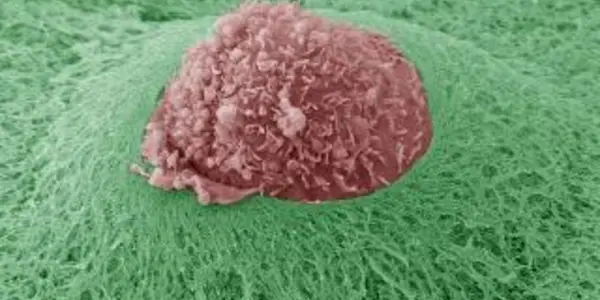
A multi-institutional study has found that a shorter course of post-mastectomy radiation, combined with breast reconstruction can time from 25 to 16 treatment sessions while remaining safe and effective.Breast cancer is the second most frequently diagnosed cancer for American women and nearly 40% have mastectomies. The majority who do undergo reconstructive breast surgery.

The recurring El Niño phenomenon was in full force from mid-2023 to mid-2024 and as predicted it brought higher temperatures. In this case, it brought the highest temperatures since accurate records have been kept, for 12 straight months.
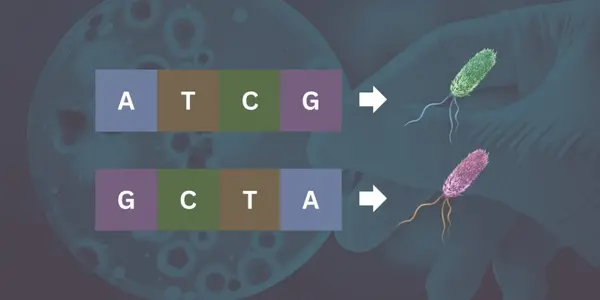
Prokaryotes, single-cell organisms such as bacteria, undergo inversions which cause a physical flip of a segment of DNA and change an organism’s genetic identity the way you might change a wig. They can occur within a single gene, in defiance of the more common 'one gene codes for one protein' standard.

Theories in physics come and go, some are popular yet entirely speculative and fade away quickly, like String Theory, and Superdeterminism, while others continue to provide hope for a framework that can unify gravity at the very large and very small levels.
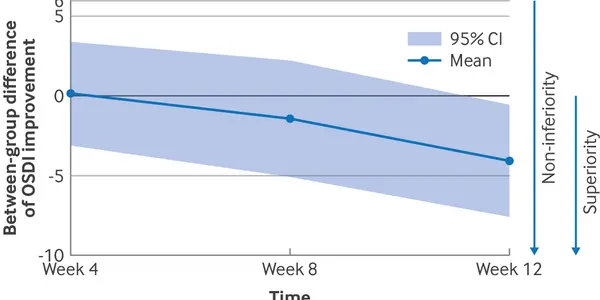
Dry eye disease is a chronic condition estimated to affect around 360 million people. Common symptoms include uncomfortable, red, scratchy or irritated eyes.Anecdotal claims are that laughter therapy alleviates depression, anxiety, stress, and chronic pain, while strengthening immune function but if you have clinical depression, please don't limit yourself to people saying you need to smile more and get scientific help. Laughter therapy for dry eye disease is a much less risky proposition.
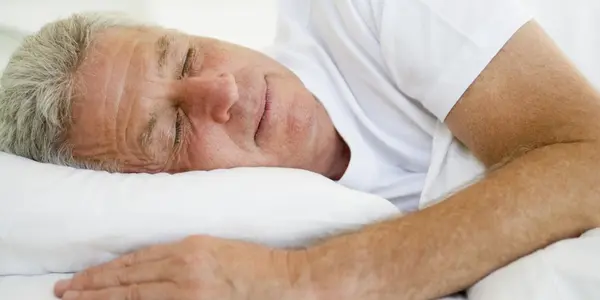
Getting enough sleep is correlated to brain and heart health and after a stroke that is even more important. A new survey finds that is when people who need it are least likely to get it. A cohort of 39,559 people were asked every two years how much sleep they usually get at night on weekdays or workdays. Sleep duration was divided into three categories: short, less than six hours; normal, six to eight hours; and long, eight or more hours of sleep. The group included 1,572 people who had a stroke.Image: Storyblocks