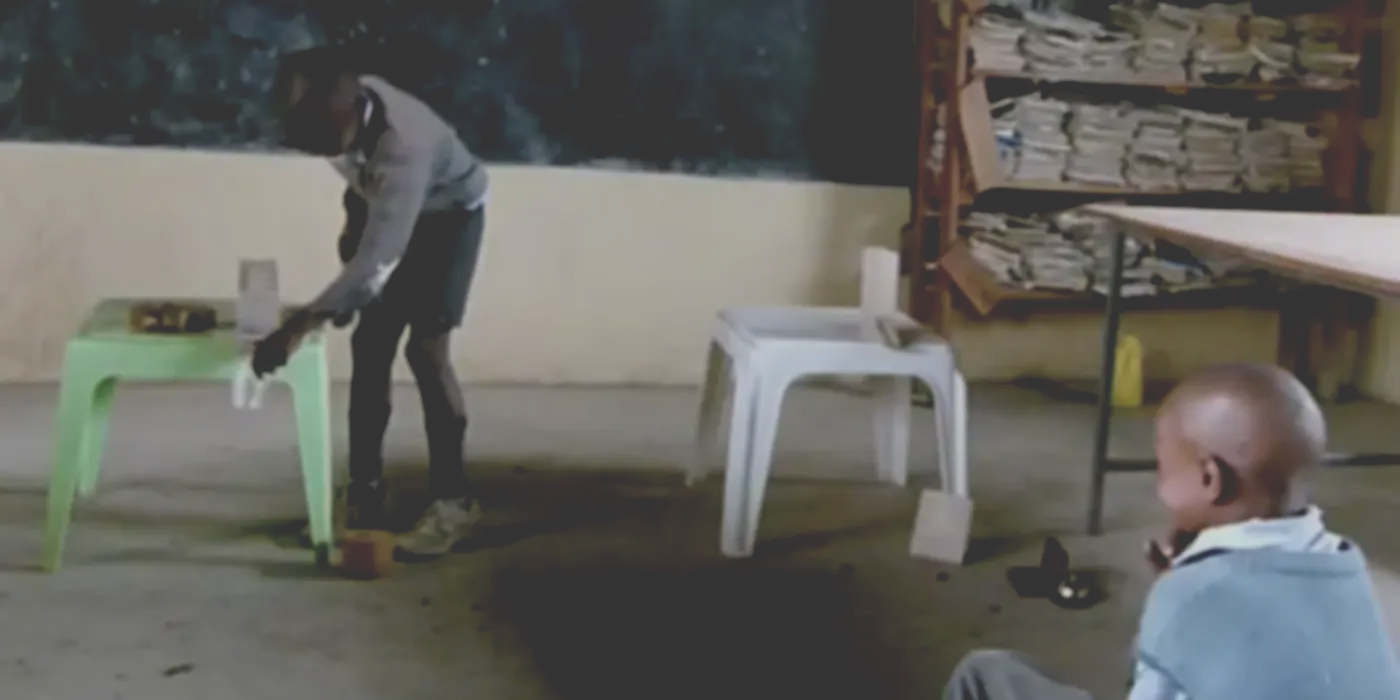
Kids Helping Kids Is Universal - But Cultures Help Differently
A simple game reveals a universal instinct in kids
A simple game reveals a universal instinct in kids


Researchers have completed the genome sequence for the gorilla, the last genus of the living great apes to have its genome decoded. The results confirm that our closest relative is the chimpanzee but much of the human genome more closely resembles the gorilla than it does the chimpanzee genome.For the first time, scientists can compare the genomes of all four living great apes: humans, chimpanzees, gorillas and orangutans. This provides a unique perspective on our own origins and is an important resource for research into human evolution and biology, as well as for gorilla biology and conservation.
The basis of the computing revolution is silicon but that popularity has led to e-waste. We are okay with iPads being made in Chinese child labor sweat shops but we don't want to damage American landfills after we replace them.A team from Tel Aviv University may have a solution; biodegradable transistors that are protein-based, essentially composed of organic materials found in...you.
Utopia is a perfect world where we can eat to our heart's content without without getting heart disease or diabetes or even cancer. In mice, Utopia may be coming closer. Mice with an extra dose of a known anti-cancer gene called Pten lose weight even as their appetites grow. They also live longer - but not just because they aren't getting cancer.One of the animals' youthful secrets is hyperactive brown fat, which burns energy instead of storing it. The findings add to evidence that tumor suppressors aren't designed only to protect us against cancer, the researchers say. They also point to new treatment strategies aimed to boost brown fat and fight aging.
A mini-medical machine could mean a new power scheme for cardiac pacemakers. Rather than use batteries, engineering researchers at the University of Michigan say they can use vibrations from heartbeats themselves. Their new device is designed to harvest energy from the reverberation of heartbeats through the chest and convert those to electricity to run a pacemaker or an implanted defibrillator. By taking the place of the batteries that power them today, the new energy harvester could save patients from repeated surgeries - the only way today to replace the batteries, which last five to 10 years.
A research team has announced discovery of molecular oxygen ions (O2+) in the upper atmosphere of Dione, one of the 62 known moons orbiting Saturn.
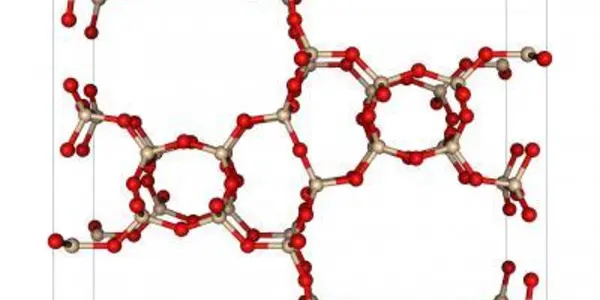
Forget mitigation and rationing, it is not the way cultures and progress work. The long-term solution is obviously to engage in basic research and come up with effective clean energy but also to create fewer emissions while development is in progress.America never migrated to nuclear energy the way the French did so today up to 75 percent of electricity used in the United States is instead produced by coal-burning power plants and that means carbon dioxide (CO2) in the atmosphere and increased risk of global warming. To reduce the impact of current power generation, researchers are searching for porous materials to filter out the CO2 generated by those plants before it reaches the atmosphere, a process commonly known as carbon capture.
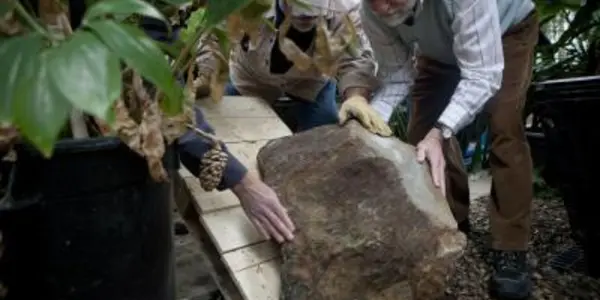
Scientists have reported the discovery of the floor of the world's oldest forest. They are now piecing together a view of this ancient site, dating back about 385 million years and - because virtually all studies have to reference global warming these days - they note their research could shed new light on the role of modern-day forests and their impact on climate change.The recent discovery was made in the same area in Schoharie County, New York where fossils of the Earth's oldest trees, the Gilboa stumps, were discovered in the 1850s, 1920 and again in 2010 and were brought to the New York State Museum. The Museum has the world's largest and best collection of Gilboa fossil tree stumps.
What if bacteria could talk? Or use touch? A new study hypothesizes that bacterial cells may need to communicate in order to perform certain functions.

Astronomers have detected rapid changes in the brightness of embryonic stars within the well-known Orion Nebula, 1,350 light years from Earth, which appears prominently in the winter skies for European observers. Sometimes referred to as the Sword of Orion, the nebula lies below the three stars that form the belt of Orion the Hunter, one of the most easily recognized constellations. It is one of the few nebulas visible to the naked eye and is a popular target for amateur astronomers.
Criegee biradicals, invisible chemical intermediates, are powerful oxidizers of pollutants such as nitrogen dioxide and sulfur dioxide produced by combustion and can naturally clean up the atmosphere. Sounds like fiction, right? These chemical intermediates were first postulated by Rudolf Criegee in the 1950s but researchers now say that they have been detected and with further research could play a major role in off-setting climate change.

Astronomers have clocked the fastest wind yet discovered blowing off a disk around a stellar-mass black hole - about 20,000,000 miles per hour, 3 percent of the speed of light. This is nearly 10 times faster than had ever been seen from a stellar-mass black hole.

SpareOne may be the world's most useful emergency cell phone. It debuted today at the World Mobile Congress in Barcelona and runs on a single AA battery, providing up to 10 hours of talk time and 15 years (yes, years) of talk-ready stored power (based on Energizer(R) Ultimate Lithium AA battery, included with the phone.) Because AA batteries are the most widely used batteries in the world, that makes it quite useful, even in the absence of electricity. Take that, Apple and your 'we don't want you to replace the battery ever' mentality.