Kids Helping Kids Is Universal - But Cultures Help Differently
A simple game reveals a universal instinct in kids
A simple game reveals a universal instinct in kids


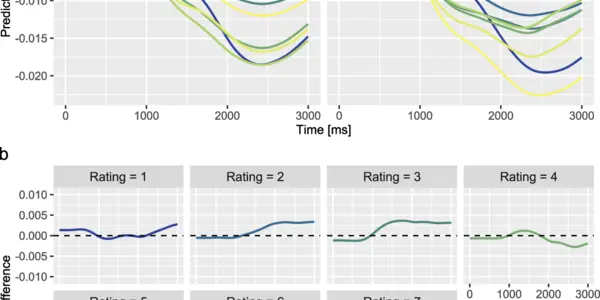
Moral decisions can be influenced by movements of the eyes during deliberation, according to new research which challenges the notion that the decisions people make, from whether to give money to a homeless person to whether to separate recyclables from the trash, are rooted in a pre-existing moral framework.
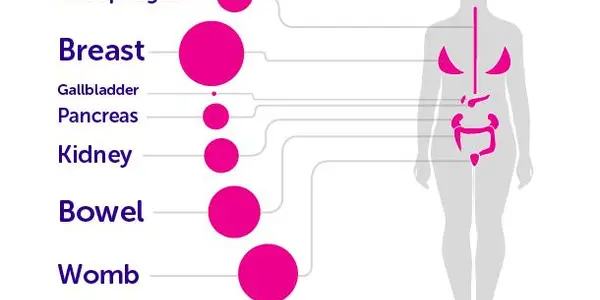
Obese women have greater risk of developing a weight-related cancer in their lifetime than women of a healthy weight, according to new statistics. Obesity increases a woman's risk of developing at least seven types of cancer - including bowel, post-menopausal breast, gallbladder, womb, kidney, pancreatic and esophageal cancer - and in a group of obese women, 274 will be diagnosed with a bodyweight-linked cancer in their lifetime, compared to 194 women diagnosed in a group of 1,000 healthy weight women. A 40 percent higher rate.

Countless blogs share stories about everything from potty training to preschool struggles while Facebook posts and Tweets are overrun with kids playing dress up, having meltdowns and dancing to the likes of Beyonce and Taylor Swift.Today's University of Michigan C.S. Mott Children's Hospital National Poll on Children's Health concludes that "sharenting" is here to stay, with more than half of mothers and one-third of fathers discussing child health and parenting on social media and nearly three quarters of parents saying social media makes them feel less alone.But how far is too far when it comes to crossing the boundaries between public and private life?
Having your child bullied at school is one of the greatest fears of parents – and research shows this fear is well founded. School bullying has been described as the single most important threat to the mental health of children and adolescents.
An examination of clinical trials covering more than 95,000 patients has found that glucose or sugar-lowering medications prescribed to patients with diabetes may pose an increased risk for the development of heart failure in these patients.Heart failure is a common occurrence for patients with type 2 diabetes and has a major impact on one's life expectancy and quality of life as well as representing a major driver of health care costs. Overall, the study found that for every one kilogram of weight gain attributed to a sugar-lowering diabetes medication or strategy, there was an associated seven percent increased risk of heart failure directly linked to that medication or strategy.
A father's depression during the first years of parenting - as well as a mother's - can put their toddler at risk of developing troubling behaviors such as hitting, lying, anxiety and sadness during a critical time of development, according to a new Northwestern Medicine study.
This is one of the first studies to show that the impact of a father's depression from postpartum to toddlerhood is the same as a mother's. Previous studies have focused mostly on mothers with postpartum depression and found that their symptoms may impact their children's behavior during early, formative years.
New Hepatitis C drugs are terrific - but like every new drug they cost a lot of money to develop and took a lot of time to navigate the regulatory system and as a result they are not cheap. Most cost-benefit analyses have found that these new treatments save a lot more than treatment without them would cost, but with the Affordable Care Act already straining under gigantic expenses that politicians didn't consider when approving it, it may be more economical to force people to do without the best treatment in the short term and incur more costs later, after the economy has time to inflate away the ballooning costs of today.
If you to make new friends and get people to open up to you, make them laugh. Laughter makes people more willing to talk about personal details, without being aware that they are doing so. The act of verbally opening up to someone is a crucial building block that helps to form new relationships and intensify social bonds. Such self-disclosure can be of a highly sensitive nature - like sharing one's religious convictions or personal fears - or a superficial tidbit such as one's favorite type of food.
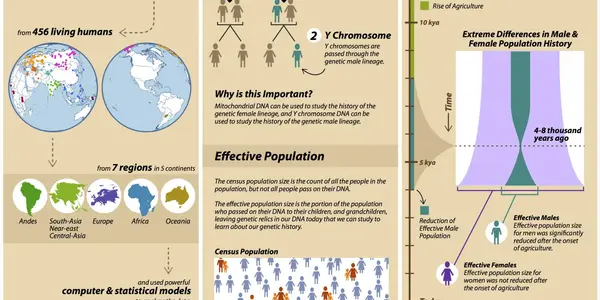
DNA - inheritance - is more important than the color of your eyes or your hair, it can also influence whether you might develop certain diseases, like cystic fibrosis or hemophilia. Evolution - survival of the fittest - may seem like the great biological equalizer but mankind has clearly conquered it, since all kinds of people who might have died in the past due to foodborne diseases or tainted water or diseases no longer do.
When "The Daily Show" with Jon Stewart announced he was leaving the program, corporate journalism declared that Millennials without faux news would have no news at all. In reality, Millennials barely watched it, the steady viewers were older and wanted to seem like Millennials, but journalists couldn't figure out where else they might be getting news. Unless they were just passive and uninterested in civic issues - newsless.

When most people think of cosmic rings, they think of Saturn, but there are actually five bodies in our solar system known to have them. Rings of gas and dust also encircle Jupiter, Uranus, and Neptune along with a "centaur", Chariklo, an homage to the mythological Greek creature which was a hybrid of man and beast to note the unclear dual nature of small, rocky bodies that possess qualities of both asteroids and comets.

Microbial communities in different regions of the Pacific Ocean displayed strikingly similar daily rhythms in their metabolism despite inhabiting extremely different habitats, according to a new study. From the nutrient-rich waters off California to the nutrient-poor waters north of Hawai'i, dominant photoautotrophs - light-loving bacteria that need solar energy to help them photosynthesize food from inorganic substances - appear to initiate a cascade effect wherein the other major groups of microbes perform their metabolic activities in a coordinated and predictable way. As expected, different photoautotrophs dominated the coastal versus open ocean but many other heterotrophic bacterial groups were common to both habitats.