Kids Helping Kids Is Universal - But Cultures Help Differently
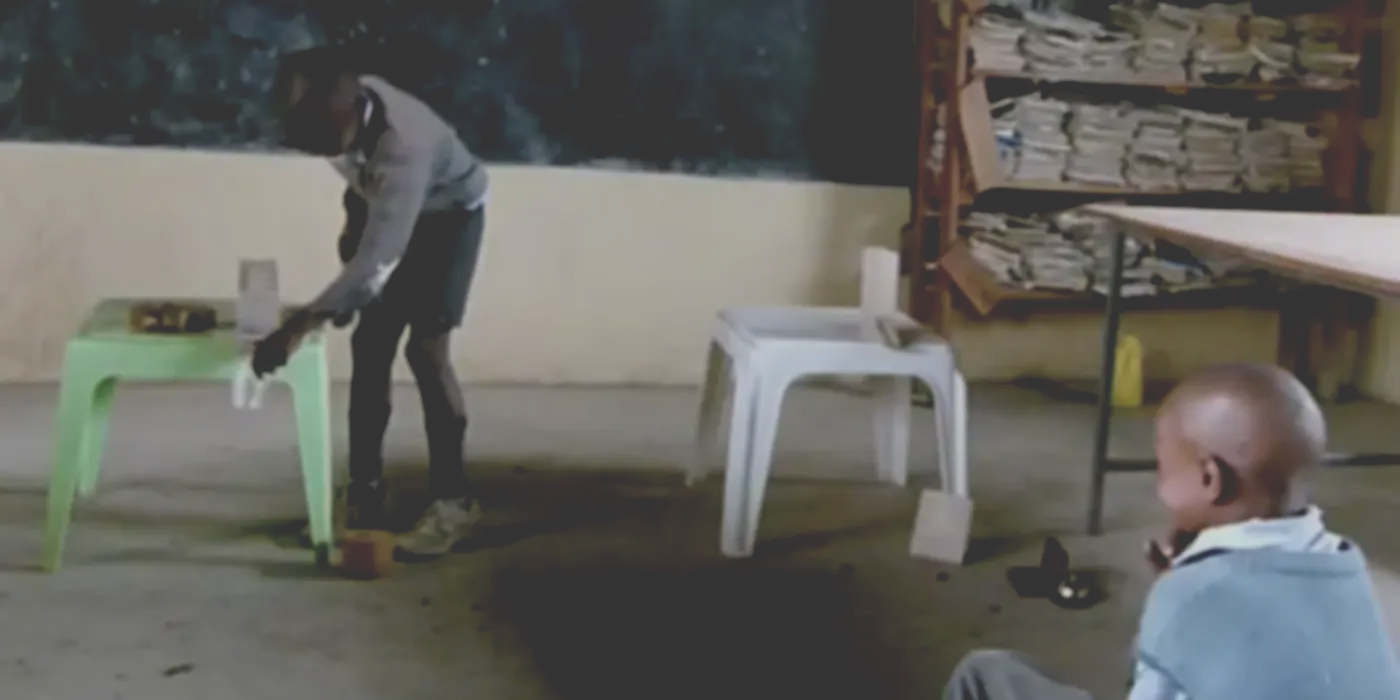
A simple game reveals a universal instinct in kids
A simple game reveals a universal instinct in kids


Tiny biological clocks attached to our chromosomes can't tell us the exact moment of our death, but they can narrow it down. These DNA end caps, called telomeres, are the great predictors of life expectancy: the shorter your telomeres, the shorter your lifespan.But shorter telomeres also indicate a greater chance for bone marrow failure, liver disease, skin disease and lung disease. Knowing that, scientists have been experimenting with telomeres over the last three decades, trying to figure out ways to extend them and studying mutations within them. Now researchers have found another link to telomeres and lung disease.
Hormonal intrauterine devices (IUDs) and contraceptive implants remain highly effective even one year beyond their approved duration of use, according to a new study.Now the researchers are evaluating whether such long-acting forms of birth control are effective for up to three years past the length of use under which they were approved by the Food and Drug Administration (FDA). Contraceptive implants - matchstick-sized rods inserted into the arm - are approved for three years while hormonal IUDs are approved for five years.

There've been some recent environmental claims about methane seepage, flaming tapwater, but what were not staged have been due to nature. It's a tale almost as old as earth.
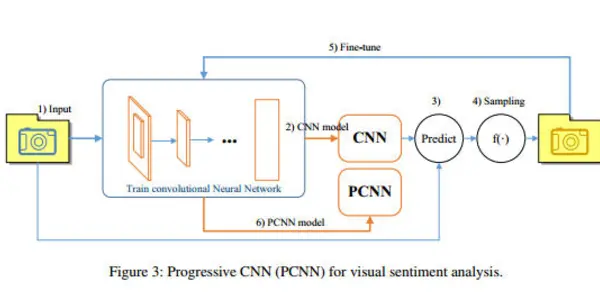
When Twitter began, they wanted to limit to 140 characters to conserve bandwidth. So users ironically (because it led to more bandwidth usage) began circumventing that by using images. Those are worth 1,000 words, according to now=popular wisdom from Frederick R. Barnard in an article in Printer's Ink from 1921.But how many emotions is that?

A team of US scientists have found "beautifully preserved" 15 million-year-old thin protein sheets in fossil shells from southern Maryland. Their findings are published in the inaugural issue of Geochemical Perspectives Letters, the new peer-reviewed journal of the European Association of Geochemistry.
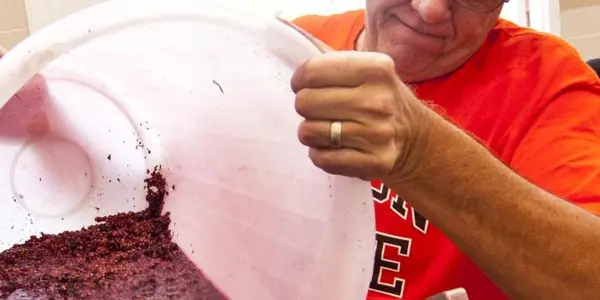
If you need a reason to drink wine, there is more good news from the world of science. A recent study exposed human liver and fat cells grown in the lab to extracts of four natural chemicals found in Muscadine grapes, a dark-red variety native to the southeastern United States.One of the chemicals, ellagic acid, proved particularly potent: It dramatically slowed the growth of existing fat cells and formation of new ones, and it boosted metabolism of fatty acids in liver cells.

In modern culture, people are taught not to settle. Settling is, of course, subjective and people change so when psychologists are in charge, there are a lot of divorces.What about when science was in charge? Is it better to settle or hold out for the best mate?A new evolutionary biology study says that it's better to settle for Mr. Okay than hold out for Mr. Right. And that may be why it is in our nature - traced back to the earliest humans - to take the safe bet when stakes are high, such as whether or not we will mate.
There are concerns about climate emissions because of resistance to clean technologies like nuclear power that have led to increased use of coal. Solar power will be the best solution in the future, if it does not fall victim to too much hype and subsidies now. There is also a water problem. Only slightly more than one percent of the world's water is potable, making clean water a priority - but one that is easily solved by energy.
Apple and Facebook have an odd perquisite for their employees - they will pay for their employees to place oocytes in frozen storage — social freezing, also known as cryopreservation and egg freezing. Companies may have a mercenary desire to do so, even if it comes across as altruism. By eliminating a biological clock for women, they can keep employees working longer hours, which will close that pay gap between men and women and make them look like noble while they reduce turnover.
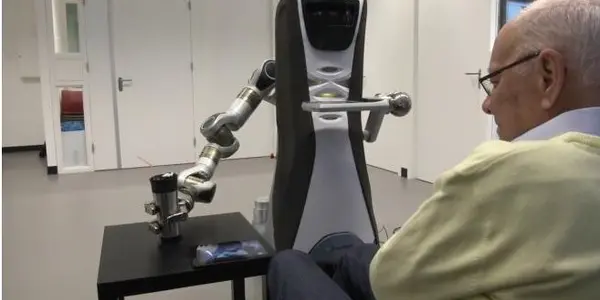
A prototype of a social robot has been developed with an eye toward supporting independent living for the elderly, in partnership with their relatives or carers.It's based on the art service platform called Care-O-bot® 3 and works within a smart-home environment. Dr. Farshid Amirabdollahian, a senior lecturer in Adaptive Systems at the University of Hertfordshire, led a team of nine partner institutions from across five European countries as part of the ACCOMPANY (Acceptable Robotics Companions for Ageing Years) project.

Vast ranges of volcanoes hidden under the oceans ooze lava at slow, steady rates along mid-ocean ridges. A new study shows that they flare up on strikingly regular cycles, ranging from two weeks to 100,000 years, and, that they erupt almost exclusively during the first six months of each year because they are apparently tied to short- and long-term changes in earth's orbit and to sea levels. And so they may be helping trigger natural climate swings.
An app called Alicia, which has been adapted to iPhone, iPad and Android, is able to help patients over 65 years with multiple pathologies to administer their own medication at home. The Alicia app has been tested on 99 patients from Alicante and was able to reduce medication mistakes in up to 41, 2% of cases.The most frequent causes of mishaps in drug self-administration, according to the team’s data are: 36% forgetfulness, 21% lack of medicines at home, 20% natural products are used without informing the doctor and 16% choose to drop medication without telling the doctor. During the control tests, carried out over several months, the researchers also proved that 94% of users who tested the application considered it easy to use.