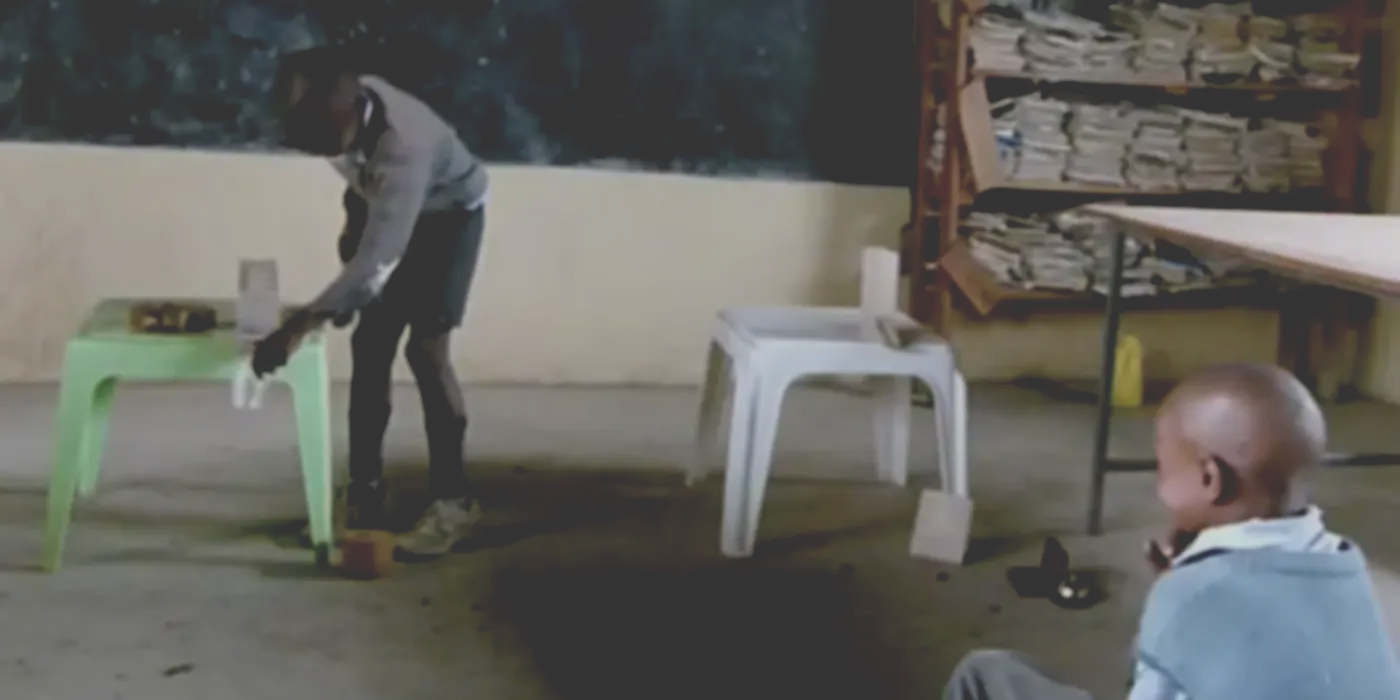
Kids Helping Kids Is Universal - But Cultures Help Differently
A simple game reveals a universal instinct in kids
A simple game reveals a universal instinct in kids


One in three people say they would risk living a shorter life instead of taking a daily pill to prevent cardiovascular disease, according to new research.The scholars surveyed 1,000 people (average age 50) via the Internet hypothetically asking how much time they were willing to forfeit at the end of their lives to avoid taking daily medication. They were also asked the amount of money they would pay and the hypothetical risk of death they were willing to accept to avoid taking medications to prevent cardiovascular disease.The survey showed:
Does only spending what you make lead to suicide? In the world of weak observational studies, it can. Suicides in Greece reached a 30 year all-time high in 2012, with a sustained upward trend starting in June 2011, the month that the government introduced austerity measures to get loans and help pay down the country's debts, currently at 175 percent of GDP and caused by overspending on social services.

15 years ago, the name "Aidan" was barely a blip on the radar of Americans with new babies, ranking a lowly 324th on the Social Security Administration's list of popular baby names. Then a popular character with that name was on the television show "Sex and the City" and though fathers dreaded that their child was going to have the same name as some other child of a mother who watched the show, it happened all across America anyway. Since then, that name has been in the top 20.
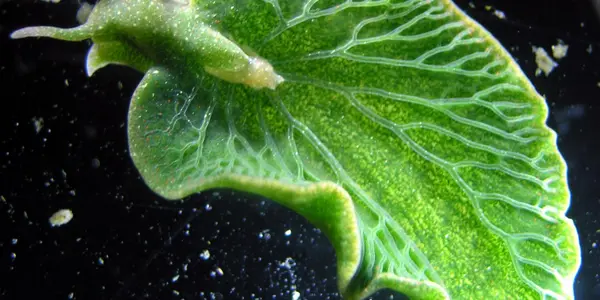
A brilliant-green sea slug can live for months at a time "feeding" on sunlight like a plant and now scientists have the first direct evidence that its chromosomes have some genes that come from the algae it eats. Those genes help sustain photosynthetic processes inside the slug that provide it with all the food it needs. Importantly, this is one of the only known examples of functional gene transfer from one multicellular species to another, which is the goal of gene therapy to correct genetically based diseases in humans.
An insulin-regulating hormone that had only been postulated to exist has been discovered.The hormone, called limostatin after the Greek goddess of starvation, Limos, tamps down circulating insulin levels during recovery from fasting or starvation. In this way, it ensures that precious nutrients remain in the blood long enough to rebuild starving tissues, rather than being rapidly squirreled away into less-accessible fat cells. The researchers first discovered limostatin in fruit flies but then quickly identified a protein with a similar function in humans.

The rate of global warming that had been predicted in the 1990s did not come to pass. In the 21st century, warming has been significantly slower than all the models had predicted, leading to claims that the models contained systematic errors.Not so, according to a new analysis, it is just random variation. Jochem Marotzke, Director at the Max Planck Institute for Meteorology in Hamburg, and Piers M. Forster, a professor at the University of Leeds in the UK, did a statistical analysis and found that the models do not generally overestimate man-made climate change and so global warming is still highly likely to reach critical proportions by the end of the century if CO2 emissions are not reduced.
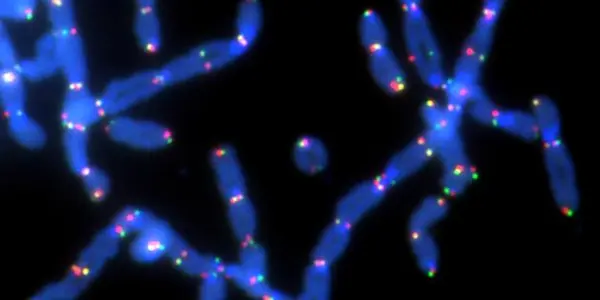
Inhibiting the action of a particular enzyme called polymerase theta, or PolQ, dramatically slows the growth of tumor cells tied to BRCA1 and BRCA2 genetic mutations which, in turn, are closely tied to breast and ovarian cancers, according to a new paper.
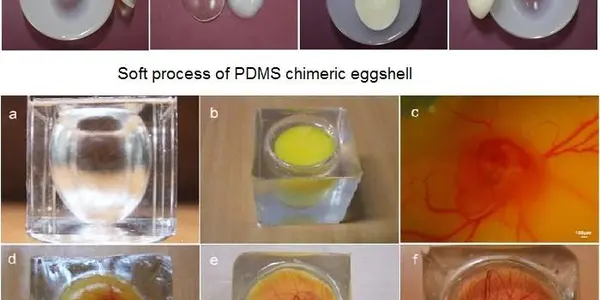
In the two decades existence of lab-on-a-chip (LOC), there have been lots of individual systems developed, ranging from lung-on-a-chip and heart-on-a-chip to the liver-on-a-chip and kidney-on-a-chip - but an ideal embryo-on-a-chip has eluded science because of the challenges in condensing so many life factors inside a conventional LOC. But now two scientists have developed a PDMS (polydimethylsiloxane) "soft" process method to fabricate a transparent shell matching the shape and curvature of a real eggshell. The most important feature of a conventional "Lab-on-a-chip" is its chemically based character, or its scaling down chemical tests into a miniature-size device.

Naturally occurring arsenic in private wells threatens people in many U.S. states and parts of Canada, according to a package of a dozen scientific papers to be published next week. The studies, focused mainly on New England but applicable elsewhere, say private wells present continuing risks due to almost nonexistent regulation in most states, homeowner inaction and inadequate mitigation measures. The reports also shed new light on the geologic mechanisms behind the contamination. The studies come amid new evidence that even low doses of arsenic may reduce IQ in children, in addition to well documented risks of heart disease, cancer and reduced lung function. The reports comprise a special section in the journal Science of the Total Environment.

New research could lead to a better understanding of how the brain works in people with autism. Little is known about the cognitive processes involved.
Researchers from Monash University and Deakin University looked at new hypotheses of autism that focused on the way in which the brain combines new information from its senses with prior knowledge about the environment. Using the 'rubber-hand' illusion, the researchers examined how adults with autism experienced 'ownership' of a fake prosthetic hand.
In the 'rubber-hand' illusion, one of the subject's hands is placed out of sight, while a rubber hand sits in front of them. By stroking the fake hand at the same time as the visible real one, the subject can be convinced the fake hand is theirs.
The discovery of the first gene causing familial scoliosis was announced by an international France-Canada research team today. "Mystery surrounds the cause of scoliosis, which is a three dimensional deformation of the vertebral column. Many researchers have been attempting to uncover the origins of this disease, particularly from a genetic point of view," explained leading co-author Dr Florina Moldovan of the University of Montreal and the CHU Sainte Justine research hospital. "To date, many genes have been suspected of causing scoliosis amongst different populations, but the gene that causes the familial form of the disease remained unknown.
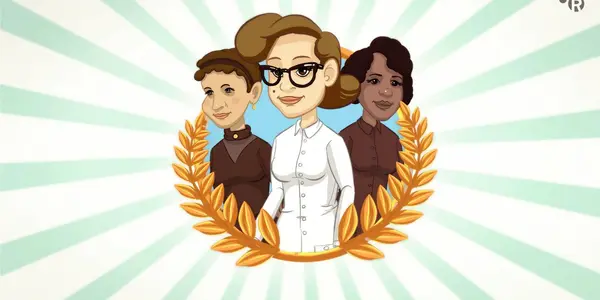
One saved the U.S. space program, another invented a better treatment for leprosy and a third spawned an industry in the American Midwest - but you have probably never heard of these female "legends of chemistry". Their names are Mary Sherman Morgan, Alice Ball and Rachel Lloyd and they all had amazing accomplishments in chemistry, but their work was nearly lost to history.Mary Sherman Morgan, Alice Ball and Rachel Lloyd. Credit: The American Chemical SocietyThis week ACS Reactions shines the spotlight on them so they can get some proper acclaim: