Kids Helping Kids Is Universal - But Cultures Help Differently
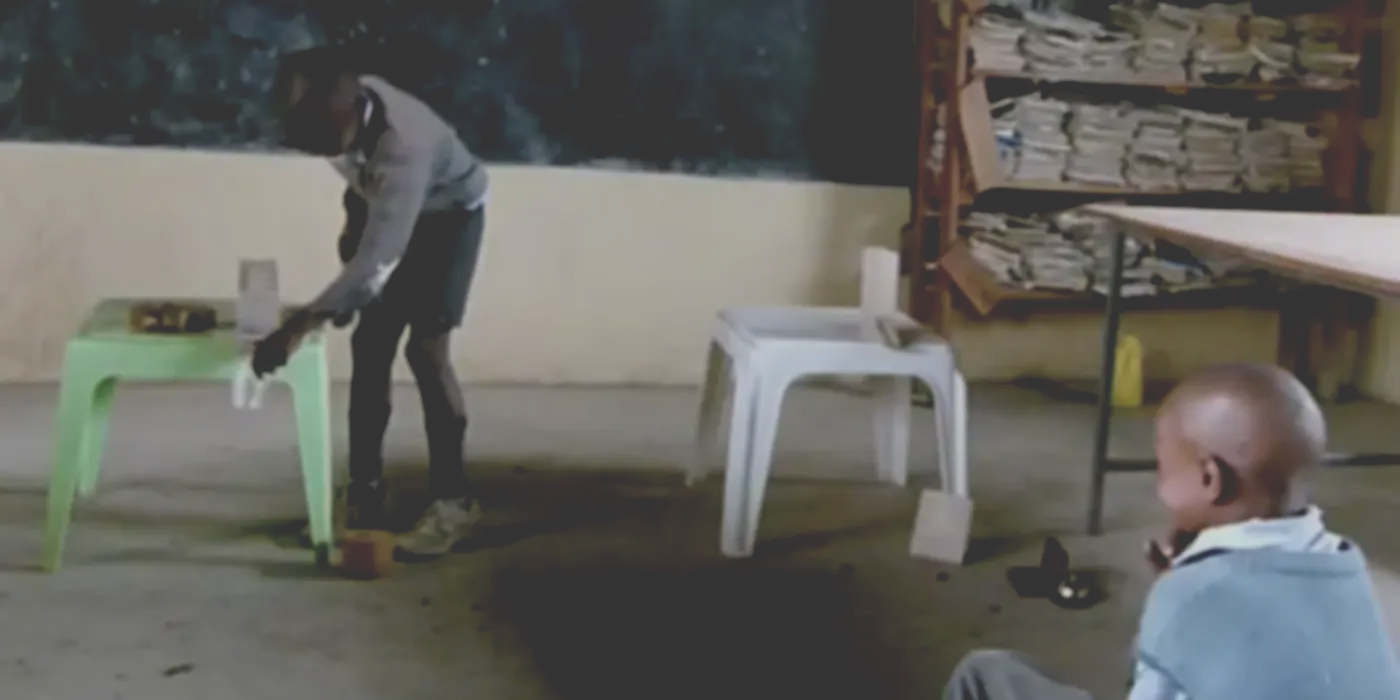
A simple game reveals a universal instinct in kids
A simple game reveals a universal instinct in kids


For decades, researchers in artificial intelligence, or AI, worked on specialized problems, developing theoretical concepts and workable algorithms for various aspects of the field. Computer vision, planning and reasoning experts all struggled independently in areas that many thought would be easy to solve, but which proved incredibly difficult.
However, in recent years, as the individual aspects of artificial intelligence matured, researchers began bringing the pieces together, leading to amazing displays of high-level intelligence: from IBM's Watson to the recent poker playing champion to the ability of AI to recognize cats on the internet.

Unlike slow and steady batteries, supercapacitors gulp up energy rapidly and deliver it in fast, powerful jolts. A growing array of consumer products is benefiting from these energy-storage devices, reports Chemical & Engineering News, with cars and trucks -- and their drivers -- poised to be major beneficiaries.
In the last 40 years, health care has improved a great deal and we are living longer than ever. But the downside to longevity is more time for mutations to occur, and that means cancer.A new forecast in the British Journal of Cancer has an alarming finding - that half of people in the United Kingdom will get cancer - but it makes sense. The good news is that in the last 40 years, cancer survival has doubled and half of cancer survivors now live more than 10 years.
A newfound link between chronic fatigue syndrome (CFS) and early menopause was reported online today in Menopause. This link, as well as links with other gynecologic problems and with pelvic pain, may help explain why chronic fatigue syndrome is two to four times more common in women than in men and is most prevalent in women in their 40s. Staying alert to these problems may also help healthcare providers take better care of women who may be at risk for chronic fatigue syndrome, say the authors of this population-based, case-control study.
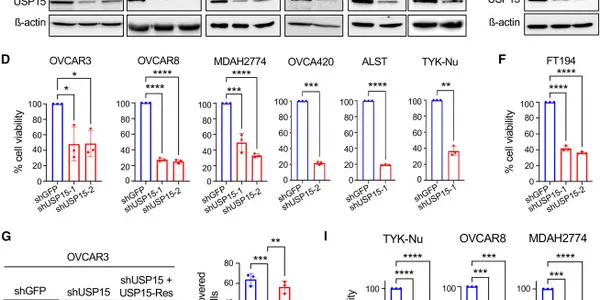
Inserting a specific strain of bacteria into the microenvironment of aggressive ovarian cancer transforms the behavior of tumor cells from suppression to immunostimulation, researchers at Norris Cotton Cancer Center and the Geisel School of Medicine at Dartmouth have found. The findings, published in OncoImmunology, demonstrate a new approach in immunotherapy that can be applied in a variety of cancer types.
"By introducing an attenuated and safe form of the bacteria Listeria monocytogenes (Lm), in collaboration with Aduro Biotech Inc., we found that the attenuated bacteria is taken up by the immunosuppressive cells and transforms them from cells that protect the tumor into cells that attack the tumor," said Steve Fiering, PhD, lead author of the study.
Here's an argument for more nuclear power instead of more biofuels. As many places in the U.S. and Europe increasingly turn to biomass rather than fossil fuels for power and heat, scientists are focusing on what this trend might mean for air quality -- and human health. One study on wood-chip burners' particulate emissions, which can cause heart and lung problems, appears in the journal Energy & Fuels.
The scientists say the findings could help manufacturers reduce the negative impact of this fuel in the future. Or we could just stop burning things for energy and at least get into the 20th century.
Researchers in Singapore and UK as part of the EpiGen consortium worked together with scientists at the Nestlé Research Center, Switzerland, on a new study on the bacterial makeup of the gut (gut microbiota) of infants in Singapore. Their study reveals that the rate of bacterial colonisation of the gut is influenced by external factors such as the method of delivery and duration of gestation. The study also found that infants with a mature gut bacteria profile at an early age had normal levels of body fat at the age of 18 months, while infants with less mature gut bacteria profiles tended to have lower levels of body fat at the age of 18 months, indicating that gut bacteria could be related to normal development and healthy weight gain.
Cell cultures are good for broad biology and medical research, they can help eliminate a lot of broad concerns, but they are not a faithful mimic of real tissue. For the foreseeable future, though the public thinks animal testing is unnecessary, it really is.A new study finds that laboratory-grown cells experience altered cell states within three days as they adapt to their new environment, and studies of human disease, including cancer, rely on the use of cell cultures that have often been grown for decades.
Researchers have cracked a code that governs infections by a major group of viruses including the common cold and polio.
Until now, scientists had not noticed the code, which had been hidden in plain sight in the sequence of the ribonucleic acid (RNA) that makes up this type of viral genome.
But a paper published in the Proceedings of the National Academy of Sciences (PNAS) Early Edition by a group from the University of Leeds and University of York unlocks its meaning and demonstrates that jamming the code can disrupt virus assembly. Stopping a virus assembling can stop it functioning and therefore prevent disease.
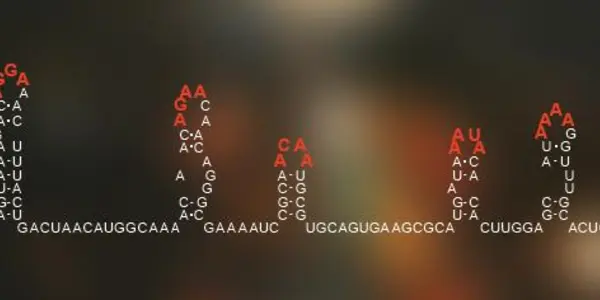
Researchers have cracked a code that governs infections by the common cold and polio viruses.The code was known, it was 'hidden in plain sight' in the sequence of the ribonucleic acid (RNA) that makes up this type of viral genome but its meaning had not been unlocked. Now, researchers have found that jamming the code can disrupt virus assembly. Stopping a virus assembling can stop it functioning and therefore prevent disease. Single-stranded RNA viruses are the simplest type of virus and were probably one of the earliest to evolve. However, they are still among the most potent and damaging of infectious pathogens.
A new genus and species of flowering plants from the custard apple family, Annonaceae, has been discovered in the jungles of Gabon by French and Gabonese botanists. The extraordinary genus was named Sirdavidia, after David Attenborough to honor his influence on the life and careers of the scientists who discovered it.
But what is so special about this new discovery? The new genus was in fact erected to accommodate an unusual new species, found in Monts de Cristal National Park, Gabon during an expedition focusing on the study of Magnoliidae floral diversity in rain forests, to which the Annonaceae family belongs.
By inserting a specific strain of bacteria into the microenvironment of aggressive ovarian cancer, researchers transformed the behavior of tumor cells from suppression to immunostimulation - they attack themselves. Tumors protect themselves from attack by the immune system by generating an immunosuppressive microenvironment. By introducing an attenuated and safe form of the bacteria Listeria monocytogenes (Lm), created by Aduro Biotech Inc., they found that the attenuated bacteria is taken up by the immunosuppressive cells and transforms them from cells that protect the tumor into cells that attack the tumor