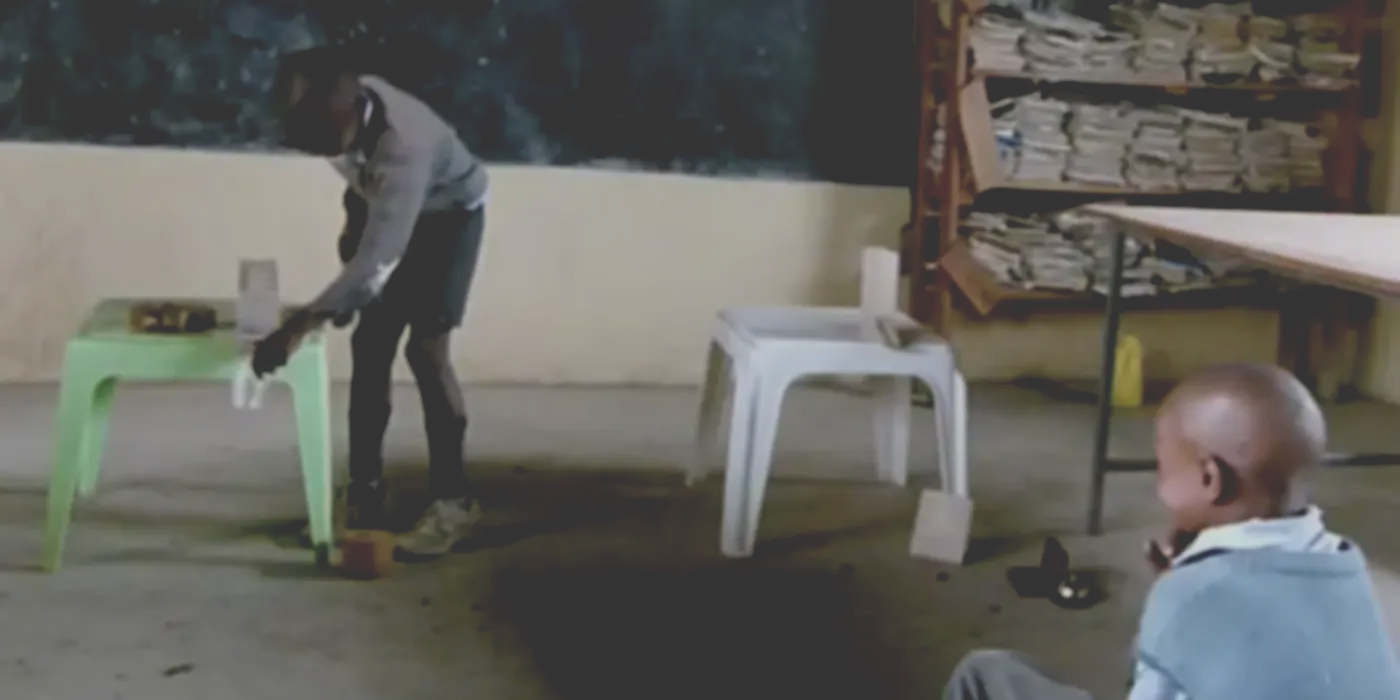
Kids Helping Kids Is Universal - But Cultures Help Differently
A simple game reveals a universal instinct in kids
A simple game reveals a universal instinct in kids

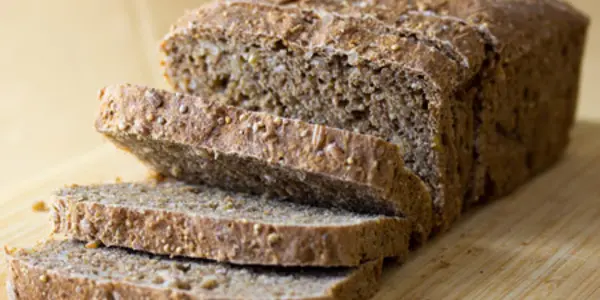
Dietary masochists say you should endure the most difficult brown bread imaginable because 1,000 years ago people had no choice. It's vaguely healthier, we are all told, though if you read more than a few epidemiology studies and saw the lack of methodology you know it casts on doubt almost every health claim made by matching populations to specific foods, not to mention the bizarre beliefs promoted by prominent nutrition 'experts'.
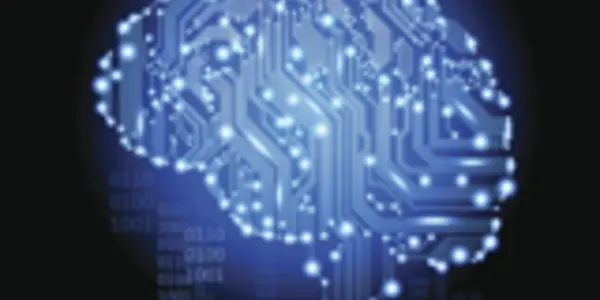
We're being overrun with Big Data and that has created a need to increase computing and networking power to make it possible to manage the vast amount of information available. Toward that goal, a new generation of Information and communications technology (ICT) systems has been inspired by the operating principles of the brain.Stemming from the premise that the brain is an ideal model for information processing, in recent years there have been multiple attempts at bio-inspired systems. Some examples are neuronal networks for learning systems or ant algorithms used to trace optimal paths in communication networks.

Drinking 3-5 cups of coffee per day has been linked to protection against Alzheimer's Disease, according to a new review of studies.
The number of people in Europe aged over 65 is predicted to rise from 15.4% of the population to 22.4% by 2025 and, with an aging population, neurodegenerative diseases such as Alzheimer's Disease are of increasing concern. Alzheimer's Disease affects one person in twenty over the age of 65, amounting to 26 million people world-wide.
Epidemiologists have linked regular, moderate coffee consumption with a possible reduced risk of developing Alzheimer's Disease. An overview of the findings were presented during a satellite symposium at the 2014 Alzhemier Europe Annual Congress.
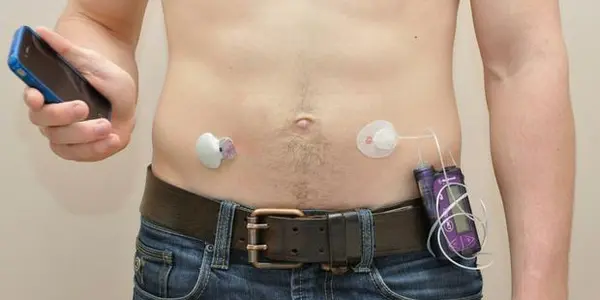
A clinical trial compared three alternative treatments for type 1 diabetes and confirms that an external artificial pancreas improves glucose control and reduces the risk of hypoglycemia compared to conventional diabetes treatment.
An emerging technology to treat type 1 diabetes, the external artificial pancreas is an automated system that simulates the normal pancreas by continuously adapting insulin delivery based on changes in glucose levels. Two configurations exist: the single-hormone artificial pancreas that delivers insulin alone and the dual-hormone artificial pancreas that delivers both insulin and glucagon.
While insulin lowers blood glucose levels, glucagon has the opposite effect and raises glucose levels.
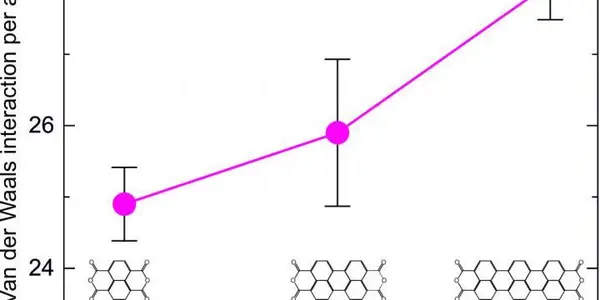
The van der Waals force, named after Dutch chemist Johannes Diderik van der Waals, is the total forces between molecules not due due to covalent bonds. The famous sticking power of the geckos is thanks to the van der Waals force.
Although it was discovered in the 19th century, it is still difficult to quantify when predicting the behavior of solids, liquids, and molecules because precise measurements were only possible for single atoms. That won't do for understanding biomolecules and proteins. They are also responsible for the functioning of certain adhesives and are the reason why geckos can adhere so amazingly well to surfaces, even allowing them to climb smooth walls.
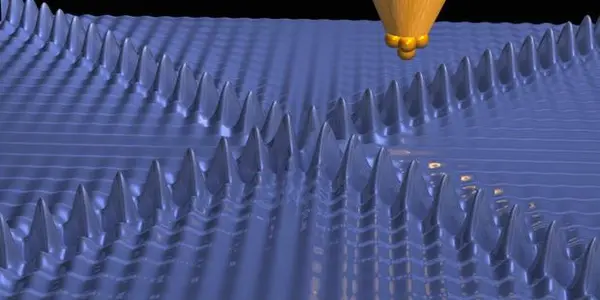
In metals like copper and aluminium, conduction electrons move around freely, in the same way as particles in a gas or a liquid.
But when impurities are introduced into the metal's crystal lattice, electrons cluster together in a uniform pattern around the point of interference, resembling the ripples that occur when a stone is thrown into a pool of water. Scientists have now discovered how to strengthen these Friedel oscillations and focus them, almost like using a lens, in different directions.
They've discovered (Nature Communications, DOI: 10.1038/ncomms6558) that at a range of 50 nanometers, these "giant anisotropic charge density oscillations" are many times greater than normal.
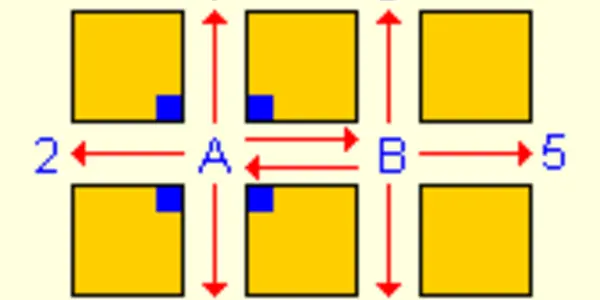
In a famous mathematical thought experiment, the goal is to make randomness deterministic by closed-form equation, so mathematicians tried to determine the path of a 'drunken sailor' staggering around a town.
If there are street lamps, he will run into them, change his direction and keep moving until he gets out of the city. Logically, the time he spends in the area depends on the number of street lamps but the surprising answer is that the number of streetlamps are not the big factor.
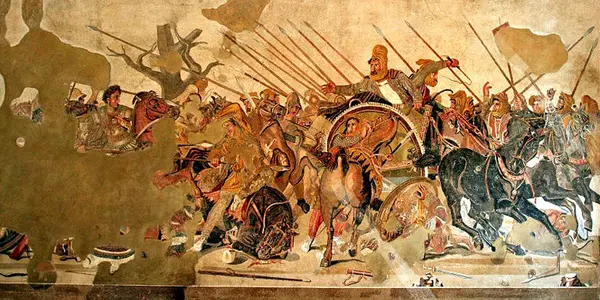
Necessity may be the mother of invention, at least if war is a necessity. And perhaps it is.
In the early days of humanity, survival was a combination of hardiness, keen engineering and intelligence - and nothing spurred on technological progress and vast social changes like the need to work together to kill other people, according to a new paper in Journal of the Royal Society Interface.
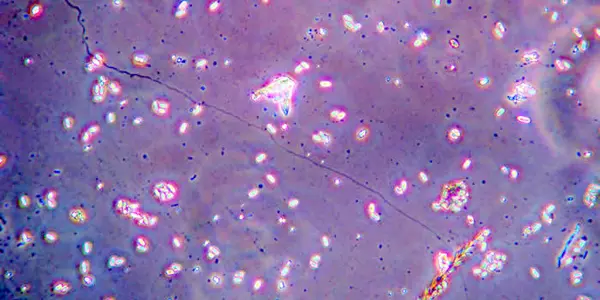
For a short window, it appeared that bees were dying off. Environmentalist were quick to blame a new kind of pesticide, Neonicotinoids, known in short form as neonics, but then it turned out that the die-offs were in just one geographical area, which would not be the case if it were due to a pesticide.
Instead, it was likely a combination of environmental changes and perhaps a different sort of pest may try to kill them in the future; the exotic parasite Nosema ceranae and its original native relative Nosema apis. The exotic honey bee parasite may become more common not only due to its superior competitive ability, but also because of climate, according to a new study in Proceedings of the Royal Society B.
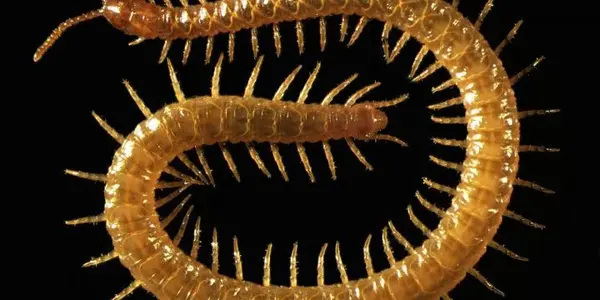
Usually blind sages revealing the secrets of the universe are Asian. Scotland doesn't get enough respect that way but a centipede is defying the stereotype.
Arthropods are one of Earth's real success stories, with more species than any other animal phylum. Genome sequencing has been skewed towards the more popular insects, and even an arachnid and a crustacean, and now finally the myriapods (centipedes and millipedes) are emerging from the dark.
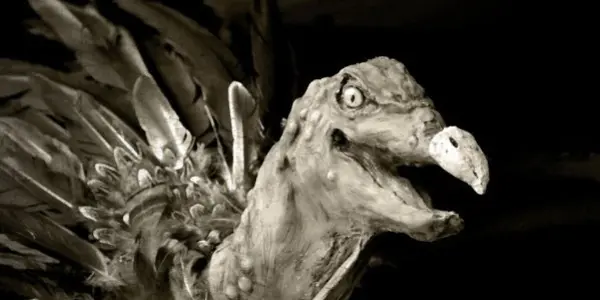
While an alarming number of wealthy people think organic food contains no chemicals, the opposite is true. Not only is everything chemical, the most organic of organic Thanksgiving meals is stuffed full of mutagens and carcinogens, at least in environmental toxicology studies on rats.
But in the real world, outside environmental fundraising, Thanksgiving dinner is not only harmless, it might even be beneficial. The turkey Americans eat on Thursday contains Strain 115, which produces the MP1 antibiotic that targets staph infections, strep throat, severe gastrointestinal diseases and roughly half of all infectious bacteria.
Australia recently had an election where they asked for a dramatic departure from previous fiscal policies.
The reasons were simple, in hindsight. Everyone wanted more money from an increasingly larger government but incomes were declining. Inflation is still happening, government employees still get raises, but average Australian income declines showed what government claims about economic health did not.
Increases and declines in economies have always happened but new work in the Economic Analysis and Policy journal finds that people are not better off than they were 20 years ago.