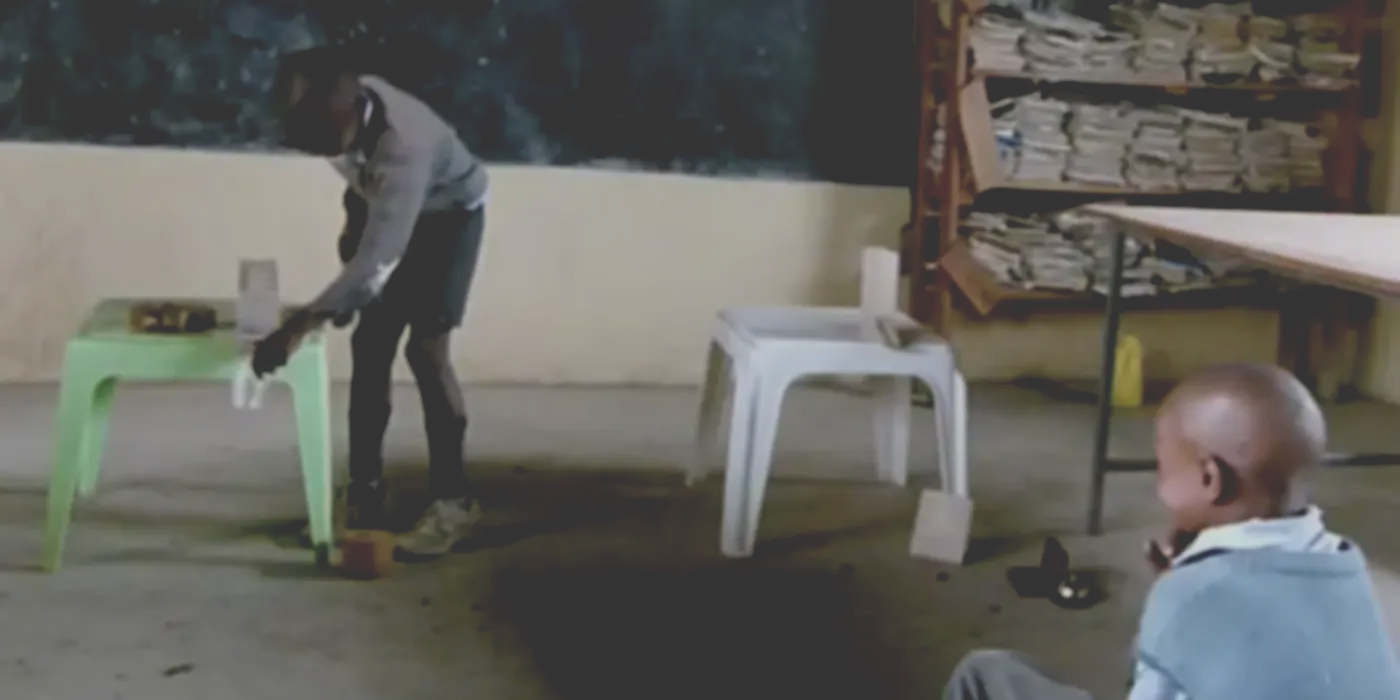
Kids Helping Kids Is Universal - But Cultures Help Differently
A simple game reveals a universal instinct in kids
A simple game reveals a universal instinct in kids


A paper in the Journal of Behavioral and Experimental Economics finds that personality traits are strong indicators of real-estate decisions.
Are you neurotic? You probably have a cognitive bias toward home ownership instead of renting. You'll probably opt for home ownership over renting. Do you consider yourself conscientious? It's more considerate to sign up for a fixed-rate mortgage.
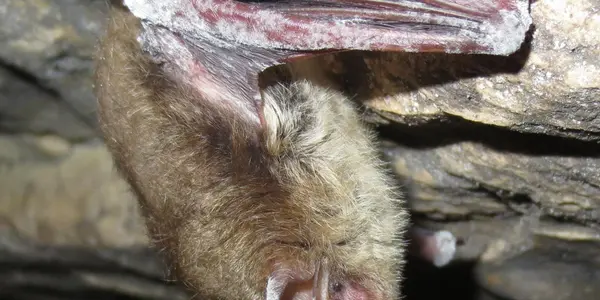
The fungal disease known as white-nose syndrome has spread to bat colonies throughout eastern North America over the past few years, causing bat populations to crash and leading to various claims about what to blame for it.
But there is no magic bullet, finds a new study, because it is related to seasonal dynamics of infection and transmission too.
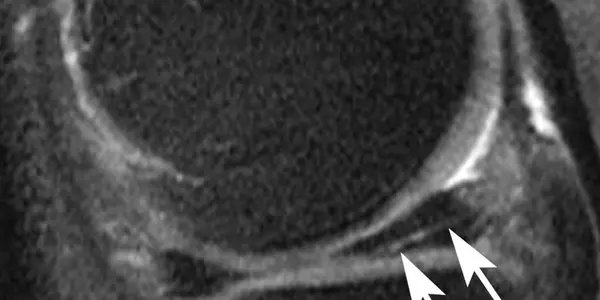
Popular meniscal tear surgery may increase the risk of osteoarthritis and cartilage loss, according to a presentation at the annual meeting of the Radiological Society of North America.
The new study focused on the meniscus, a wedge-shaped piece of cartilage in the knee that acts as a shock absorber between the femur, or thighbone, and tibia, or shinbone. The two menisci in each knee also play an important role in joint stability. Meniscal tears are among the most common knee injuries, and surgery is often performed to alleviate pain.
In a bygone era, the macho stereotype of the maverick doctor bucking convention, or the Marine running toward danger rather than away from it, inspired young men to want to be bold.
No longer. Modern youth have become so convinced that being bold is a negative that they perceive occupations like that as a 'macho' stereotype and are driven away because they do not feel competent. Although numerous papers have noted the negative impact of gendered workplace stereotypes on women, far less attention has been paid to their effect on men.
Ten years after carbon emissions happen, the warming effect is maximized. Methane is even quicker, and far more potent, though it also disappears much more rapidly.
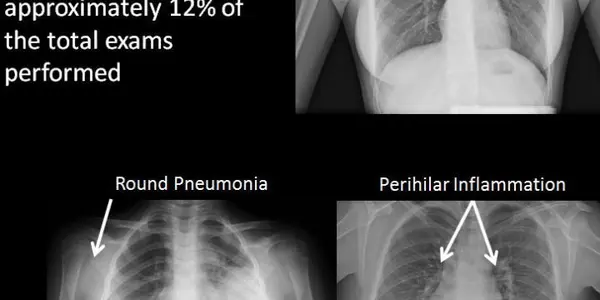
It's always a good idea to reduce cost and radiation and when it comes to kids and chest X-rays, that cost reduction should be happening a lot more.
If you ask a female doctor why she didn't go into physics, she is not going to tell you it's because there are more men in physics and that is intimidating. Instead, she will say it's because she wanted to help people or she liked medicine.
Yet a number of sociological claims insist she doesn't really know why she chose not to go into physics, and it may instead be because of subtle self-bias or stereotype threat.
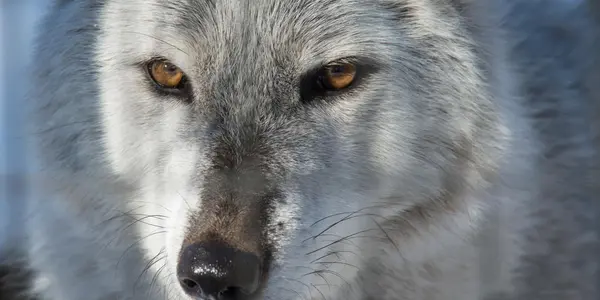
If you have talked to ranchers or people who live near wolves about being able to shoot them without landing in prison with a mandatory Federal jail sentence, the response is clear: Wolves have to be controlled. If you talk to urban activists or people who hike on state game lands a few weekends a year, wolves are cute and anyone who shoots one should go to jail.
Yet that is not the real issue, according to the authors of a new paper that used surveys as their evidence. They believe the reason for the rancor is fear of wolves or the urge to care for canis lupis. It's simply social identity theory at work. People who live near wolves have never heard of that but they already know where the article in PLOS ONE is going.
The sons of fathers with criminal records tend to have less intelligence than sons of fathers with no criminal history, according to data from over 1 million Swedish men compiled as part of the Swedish mandatory conscription program.
Population analyses have found that children of parents who engage in "antisocial" behaviors, such as rule-breaking, aggressive, or violent behavior, are at greater risk for various negative outcomes, including criminality, psychiatric disorders, substance use, and low academic achievement. Other papers have found that individuals who engage in antisocial behaviors tend to have poorer cognitive abilities than those without antisocial tendencies.
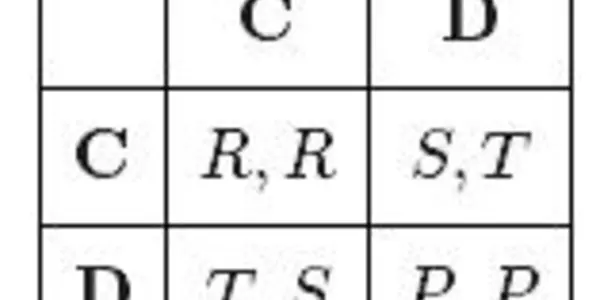
In the classical game theory match-up known as the Prisoner’s Dilemma, two prisoners kept isolated from each other are offered a deal: they can confess to a crime and if their accomplice remains silent the charges will be dropped in exchange for testimony against the other. If they both confess, they can both get early parole. If both remain silent, they get convicted of a lesser charge.
Muslim communities are not be as victimized by violent crime nor are they as dissatisfied with the police as most sociology papers claim.
An examination of statistics in the Crime Survey of England and Wales between 2006 and 2010, generated by nearly 5,000 Muslims, reveals few differences between Muslims and non-Muslims in relation to a range of violent personal crime including assaults, wounding and threats - the types of crime that scholarly literature, media reports and anecdotal evidence all suggest have disproportionately affected Muslim communities.
Instead, statistical analysis reveals few statistically significant differences between Muslim, Hindu, Jewish and Sikh respondents in respect of many personal crime types included within the Crime Survey.
Cardiac arrest, commonly known as a heart attack, is an often-fatal condition in which the heart stops beating. Epinephrine - adrenaline - is a hormone that stimulates the heart and promotes the flow of blood and current international guidelines recommend administering 1 milligram of epinephrine every 3-5 minutes during resuscitation.
Each year, more than 420,000 cardiac arrests occur in the United States. Cardiopulmonary resuscitation and defibrillation are the primary treatments.
And it works well, at least in the short term, but administering epinephrine may increase the overall likelihood of death or debilitating brain damage according to a study in the Journal of the American College of Cardiology.