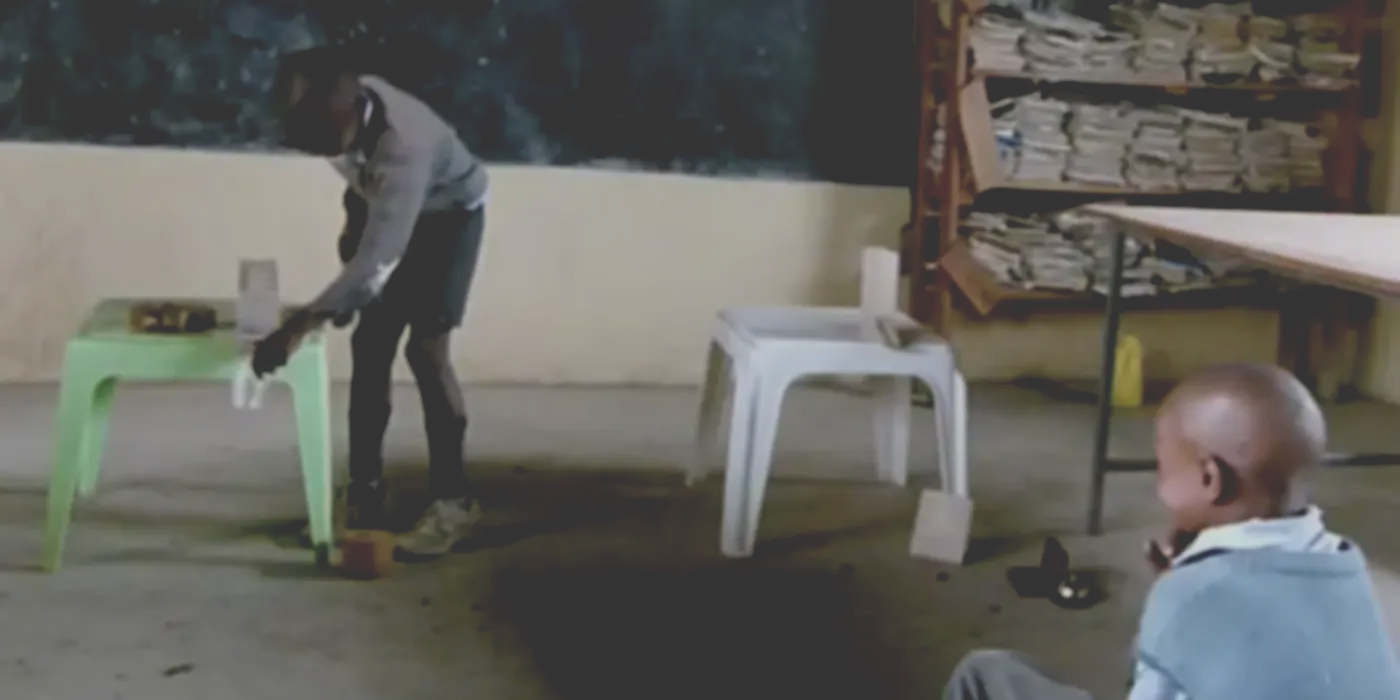
Kids Helping Kids Is Universal - But Cultures Help Differently
A simple game reveals a universal instinct in kids
A simple game reveals a universal instinct in kids


A new study found that people ages 60 and older who do not have dementia benefit from light alcohol consumption; it has been associated with higher episodic memory, the ability to recall memories of events.
Moderate alcohol consumption was also linked with a larger volume in the hippocampus, a brain region critical for episodic memory. The relationship between light alcohol consumption and episodic memory goes away if hippocampal volume is factored in, providing new evidence that hippocampal functioning is the critical factor in these improvements.

Beta Pictoris is a young star, only about 20 million years old, located about 63 light-years from us. It is surrounded by a huge disc of material, a very active young planetary system where gas and dust are produced by the evaporation of comets and the collisions of asteroids.
By sequencing the genomes of tumor cells, thousands of genetic mutations have been linked with cancer.
Sifting through this deluge of information to figure out which of these mutations actually drive cancer growth has proven to be a tedious, time-consuming process but MIT researchers have now developed a new way to model the effects of these genetic mutations in mice. Their approach, based on the genome-editing technique clustered regularly interspaced short palindromic repeats (CRISPR) is much faster than existing strategies, which require genetically engineering mice that carry the cancerous mutations.
A new paper finds that the same specialized immune cells that patrol the body and spot infections also trigger the expansion of the immune organs known as lymph nodes.
The immune system defends the body from infections but can also spot and destroy cancer cells and lymph nodes are at the heart of this response, but it was unclear how they expand during disease.
Researchers at Cancer Research UK's London Research Institute found that when a type of immune cell known as dendritic cells recognizes a threat, they make a molecule called CLEC-2 that tells the cells lining the lymph nodes to stretch out and expand to allow for an influx of disease fighting cells.
Bisphenol A (BPA) is a chemical that is used in a variety of consumer products, such as water bottles, dental composites and resins used to line metal food and beverage containers.
It is also used in thermal paper cash register receipts and a new paper finds that is cause for concern. BPA has not been found to be harmful by the Centers for Disease Control, they say levels from all sources is 1/1000th safe levels for the US, the EU and Canada, but it is controversial due to publicity by environmental groups and the guilt-by-association taint of endocrine disruption. The FDA agrees.

NOAA's GOES-East Satellite captured the birth of Tropical Depression Nine formed over the western Bay of Campeche, Gulf of Mexico and is forecast to make a quick landfall on Mexico's Yucatan Peninsula.
The clouds associated with the depression stretched over the Yucatan Peninsula and into the western Caribbean Sea were captured on Oct. 22nd at 1600 UTC (12 p.m. EDT).
When is an immigration crisis not an immigration crisis? When people who do not live where it is happening change the definition of an immigration crisis.
A new paper from Rice University's Baker Institute for Public Policy examines historical immigration data, the "push" and "pull" factors currently motivating Mexicans and Central Americans to migrate to the U.S. and then attempts to explain why current undocumented immigration streaming across the Mexican border is not a crisis.
Frying in oil is one of the world's most popular ways to prepare food — chicken and French-fried potatoes are staples but even candy bars and whole turkeys have joined the list of deep-friend goodness.
Lots of oil make health claims but there is a whole range of physical, chemical and nutritional properties that can degrade oil quality when heated so a paper in the Journal of Agricultural and Food Chemistry tested four different refined oils — olive, corn, soybean and sunflower — and reused the oil 10 times to determine which is truly the best.

Laser-powered weapons have been a staple of science-fiction movies for so long we think we know what they would look like, but we really don't.
Researchers at the Laser Centre of the Institute of Physical Chemistry of the Polish Academy of Sciences and the Faculty of Physics, University of Warsaw decided to find out, and make a real film of it. They fired an ultrashort laser pulse through the air and captured it on video and when they slowed it down they found that it looks lot like a regular bullet, and a lot like a "Star Wars" light saber - combined.
Metastasis of breast cancer occurs when cells move from the primary tumor to other parts of the body.
Children with autism spectrum disorder, a range of conditions characterized by social deficits and communication difficulties, were more likely to have been exposed to higher levels of certain air toxics during their mothers' pregnancies and the first two years of life compared to children without the condition, according to preliminary findings presented today at the American Association for Aerosol Research annual meeting in Orlando.
Other epidemiologists have linked everything from living near farms to organic food to autism, and such studies don't actually measure anything, they just find a map of autism and then correlate it to an environmental factor, in this instance pollution and autism instances in southwestern Pennsylvania.
America has a health care problem. It is excellent, the best in the world, but it is expensive. Rather than solving the problems of defensive medicine costs, designed to prevent lawsuits by conducting unnecessary tests, or tort reform to prevent lawyers from convincing people they are 'suing an insurance company' so the cost won't matter, America has instead created mandates so everyone is forced to buy insurance, and then subsidized people who can't afford it.