Kids Helping Kids Is Universal - But Cultures Help Differently
A simple game reveals a universal instinct in kids
A simple game reveals a universal instinct in kids

Playing violent video games in 3-D makes everything seem more real – and in a new study researchers found that people who played violent video games in 3-D showed more evidence of anger afterward than people who played games on 2-D systems.
That may have troubling consequences for young players, according to an upcoming paper in Psychology of Popular Media Culture.

Though it has been in the works since 1996 and long passed both its original 2011 completion date and even the most aggressive budget estimate, the James Webb Space Telescope has a milestone that may get people excited: after 116 days of extremely frigid temperatures like that in space, the heart of the James Webb Space Telescope, the Integrated Science Instrument Module (ISIM) and its sensitive instruments, emerged unscathed from the thermal vacuum chamber at NASA's Goddard Space Flight Center in Greenbelt, Maryland.
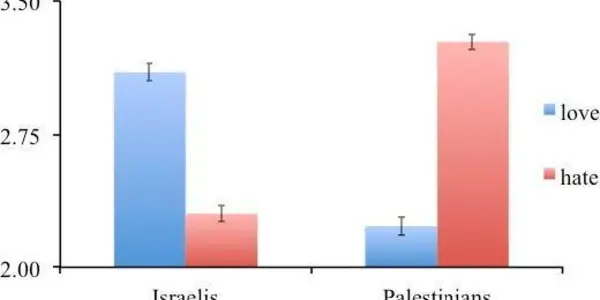
There are some things that Republicans and Democrats share in common with Palestinians and Israelis and lots of other groups where human conflict seems intractable.
A new sociology paper in Proceedings of the National Academy of Sciences says that seemingly unsolvable political and ethnic conflicts are fueled by asymmetrical perceptions of opponents' motivations, and that these tensions can be relieved by providing financial incentives to better understand what drives an adversary group.

Disrupted circadian clocks are listed as a possible reason that shift workers experience higher incidences of type 2 diabetes, obesity and cancer.
The body's primary circadian clock, which regulates sleep and eating, is in the brain, but other body tissues also have circadian clocks, including the liver, which regulates blood glucose levels.
In a new study in Diabetes online, University of Utah researchers show that dietary iron plays an important role in the circadian clock of the liver. Judith A. Simcox, Ph.D., a University of Utah postdoctoral fellow in biochemistry, is the study's lead author.
No one is going into deep space any time soon, the modern political climate is such that it will now be common for one president to cancel his predecessor's program. As President Obama did to Bush, someone in 2017 is likely to do to President Obama.
Yet officially, the NASA that the president said could not even go back to the moon on time and on budget is hoping it will go to Mars, and in preparation for that people are trying to understand and characterize the radiation hazards astronauts could face., concludes a new paper by University of New Hampshire scientists.
Nutrigenomics is a branch of nutrition which believes the food we eat affects our genes - and the Food4Me project had gotten €9 million from the EU to put science to belief.
Proponents are looking at the usual factors, such as age, sex, BMI and physical activity, and trying to match that to the way in which an individual's genes interact with the food we eat. This would enable nutritionists to create a bespoke nutrition plan.
Research is on-going, but they believe there are indicators suggesting the technology could offer a vital tool in the fight against various lifestyle-linked diseases such as obesity, heart disease and Type II diabetes.
In 2005, John Ioannidis wrote a paper in PLOS Medicine showing that most published research findings are false.
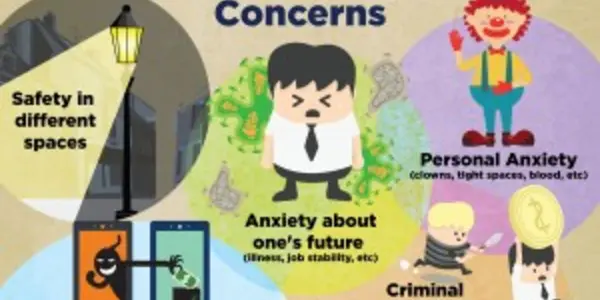
What makes Americans afraid is the topic of the first comprehensive nationwide study by Chapman University. According to the Chapman poll, the number one fear in America today is not Muslim terrorists or Russian imperialism or Ebola, it's...walking alone at night.
The Chapman Survey on American Fears included 1,500 nationally representative participants. The top five things Americans fear the most are:
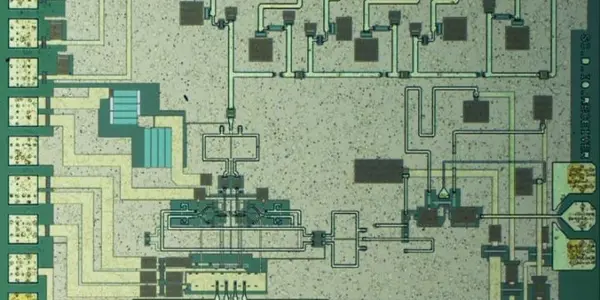
Fewer cords, smaller antennas and quicker video is the goal of a microwave circuit that has set a new world record for data transmission.

Alpine goats appear to be shrinking in size, according to scholars at Durham University, and that is due to global warming over the past 30 years, they say.
Young Chamois now weigh about 25 percent less than animals of the same age in the 1980s, they found, and note that in recent years, decreases in body size have been identified in a variety of animal species and have frequently been linked by other scholars to changing climate.
Since December 2004 there have been 18 quakes of 8.0 or greater on the moment magnitude (Mw) scale – a rate more than twice that seen from 1900 to mid-2004.
Some of that difference could be due to unprecedented advances in technological and scientific capacity to detect earthquakes. Like the distance of Babe Ruth's homeruns, anecdotes about past earthquakes have the mist of legend shrouding them, but modern earthquakes have a variety of ways they can be understood - and that helps recalibrate risk for future earthquakes.
Why were so many middle-aged adults hit especially hard by the H1N1 influenza virus during the 2013-2014 influenza season?
Vaccines work by stimulating the immune system to produce antibody proteins against particles (called antigens) from an infectious agent, such as bacteria or a virus. The immune system saves the cells that produce effective antibodies, which then provide immunity against future attacks by the same or similar infectious agents. Seasonal influenza typically kills 36,000 Americans, alone, and nearly 500,000 individuals around the world each year.