Kids Helping Kids Is Universal - But Cultures Help Differently
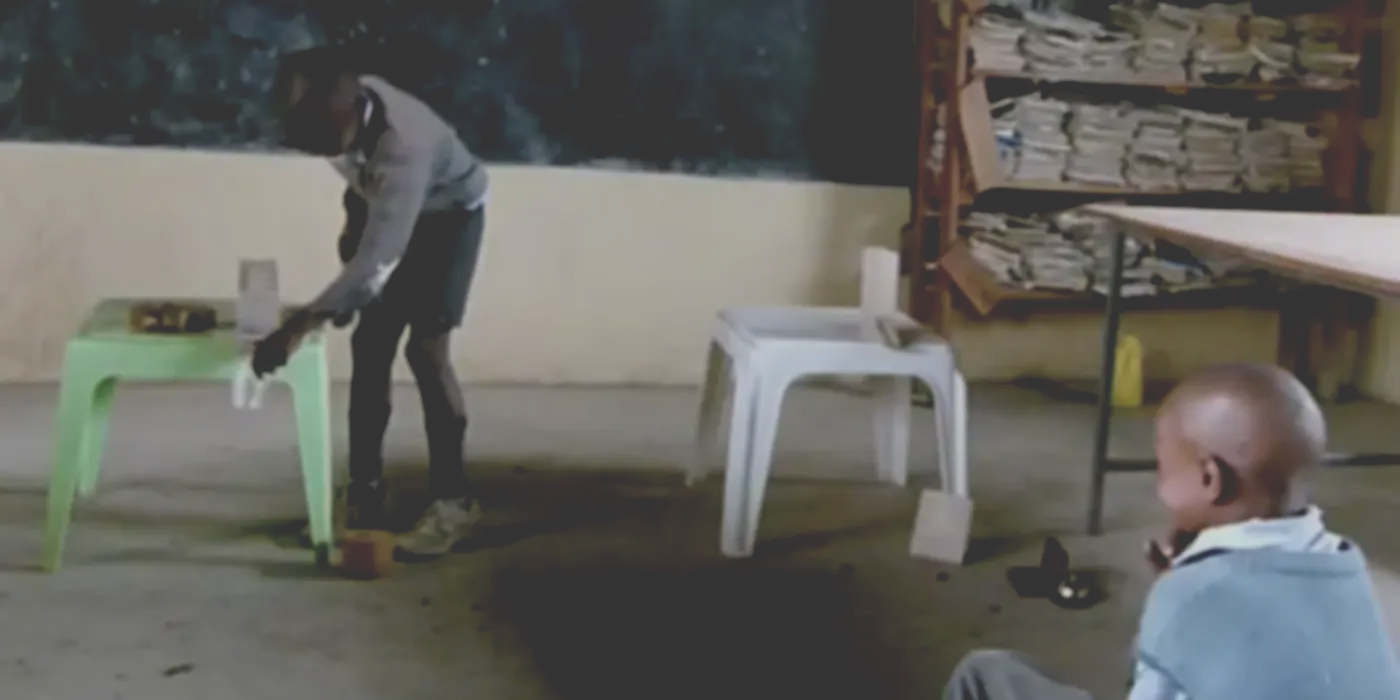
A simple game reveals a universal instinct in kids
A simple game reveals a universal instinct in kids


The Ebola crisis in Africa is getting a lot of attention but coverage of a regional problem is displacing concern over a more pressing problem worldwide; influenza.
The pandemic risk from strains of influenza virus is far more worrisome than Ebola. Influenza pandemics arise when a new virus strain – against which humans have yet to develop widespread immunity – spreads in the human population.
French growers have to endure a lot of strange restrictions - they can't use seeds with neonicotinoids on them, for example, because of a manufactured controversy about colony collapse disorder, but they can spray neonics on the plants themselves, which is actually worse for the environment. They can't use GMOs but they can use products created using mutagenesis, even though it is far less rigorous and precise.
Now the European Commission has gone too far; they are putting warning labels on products made with lavender oil, which reportedly can cause allergic reactions for some people. According to an article in Chemical&Engineering News, the French are getting ready to fight anti-science regulations for the first time this century.
A joke in the European business community is that most young people turn 18 and start thinking about their pensions. They may have good reason, according to a study by the Max Planck Institute for Demographic Research (MPIDR), which found that for each additional euro the eastern Germans received in benefits from pensions and public health insurance after reunification, they gained on average three hours of life expectancy per person per year.
Public spending appears to have contributed substantially to life expectancy, they say, so much that in just a generation life expectancy in eastern Germany has increased to be almost equivalent to life expectancy in the west, a big victory for proponents of more government spending.
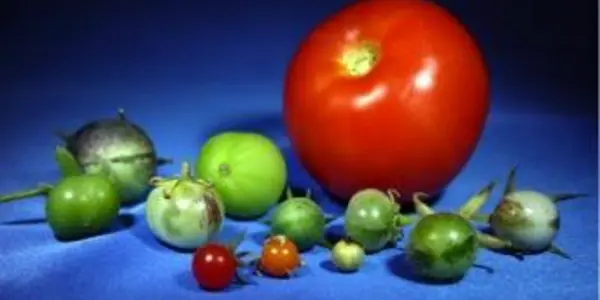
What's not red and about the size of your thumb?
Tomatoes, before ancient scientists set out to make them patabale. This genomic history of tomato breeding, based on sequencing of 360 varieties of the tomato plant, has vaulted beyond the first tomato genome sequence completed just two years ago. It will lend insight into science for people who believe genetic modification only began happening during the Clinton administration.
Analysis of the genome sequences of these 360 varieties and wild strains shows which regions of the genome were under selection during domestication and breeding. The study identified two independent sets of genes responsible for making the fruit of modern commercial tomatoes 100 times larger than their wild ancestors.
Given a critical change in the environment, how exactly do species adapt?
Hydraulic fracturing, commonly called fracking, is a way to extract natural gas from shale rock, by using a modern process to inject a high-pressure water mixture at the rock to release the gas inside. By all accounts it has been an environmental boon, responsible for causing energy emissions from coal to plummet back to early 1980s levels without causing energy prices to rise and harm poor people.

The Dutch have always been bold. Not just any culture would make wooden shoes a thing and turn tulip bulbs into a luxury investment. And if you like New York City, you can thank New Amsterdam.
Now Holland wants to be a colonial power again, this time on Mars. The "Mars One" project, announced in 2012, wants to establish the first human colony on the Red Planet by 2025. It's a one-way trip but there is no shortage of people willing to be one of the four that will build the first human settlement in space.

In an instantaneous, 24-hour news cycle, a lot of being made of current U.S. droughts but the 1934 version was 7X larger than other comparable intensity droughts that struck North America between 1000 A.D. and 2005, and nearly 30 percent worse than the next most severe drought that struck the continent in 1580, finds a new analysis.
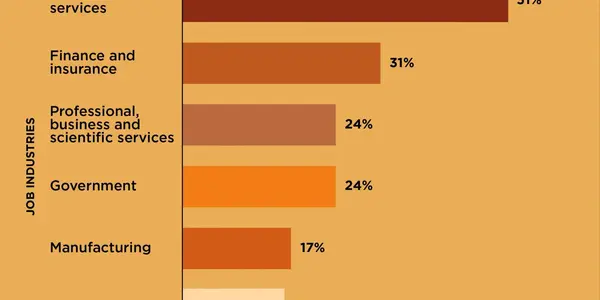
Though the American economy remains in a malaise, with alarming numbers of people chronically unemployed for so long they no longer are considered unemployed because they can't get unemployment benefits any more, two areas have been exempt from that - government employees and new college graduates.
Unlike the rest of the economy, those two sections never had negative growth and now hiring is expected to jump a whopping 16 percent for newly minted degree-holders in 2014-15, according to Recruiting Trends, the annual survey by Michigan State University economist Phil Gardner with responses from nearly 5,700 companies.
Mothers are already responsible for propagating the species, a thankless job which men wisely avoid in all ways, but now they may be tasked with a better diet and exercising more also, because it has been directly associated with a range of improved outcomes at birth by researchers from the University of Adelaide.
They say it is the biggest study of its kind two papers were published on the findings in BMC Medicine.

The Obama administration only recently banned incandescent bulbs and compact fluorescent bulbs are getting all of the marketing due to generous government subsidies, so light emitting diodes (LEDs) are yet to even get off the cultural ground but researchers are already moving on to their successors.
Enter carbon electronics.
Electronics based on carbon, especially carbon nanotubes (CNTs), are emerging as successors to silicon for making semiconductor materials. And they may enable a new generation of brighter, low-power, low-cost lighting devices that could challenge the dominance of LEDs in the future and help meet society's ever-escalating demand for greener bulbs.
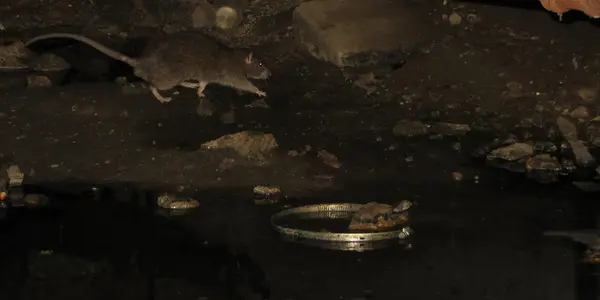
It's not a secret that rats carry diseases, they quite literally carried the pests that caused the Bubonic Plague across Europe in the middle ages. But New York City has always felt like their rats were exceptional compared to rats beyond the Hudson River, and so scientists at Columbia University's Mailman School of Public Health trapped 133 Norway rats at 5 sites in New York City, focusing on rats trapped inside residential buildings.
They examined them for identified bacterial pathogens, including E. coli, Salmonella, and C. difficile, that cause mild to life-threatening gastroenteritis in people; Seoul hantavirus, which causes Ebola-like hemorrhagic fever and kidney failure in humans; and the closest relative to human hepatitis C.