Kids Helping Kids Is Universal - But Cultures Help Differently
A simple game reveals a universal instinct in kids
A simple game reveals a universal instinct in kids


Dark matter is ill-defined and never detected so how can a group of astronomers say current measurements are off by 50 percent?
Most of the matter in the universe is hidden. It's not stars, it's not planets, it's not dust. No one knows what it is. But it must be something or gravity does not work. That something is the mystery. Using inference, if 4 percent of the universe is matter, and around 25 percent is dark matter (what is the rest? Dark energy, an even more fanciful conjecture) then the 'weight' of dark matter just in our galaxy is 800,000,000,000 times the mass of the Sun, say a group of Australian astronomers who used a method developed almost 100 years ago for their estimate.

People concerned about human-insecticide exposure have stimulated interest in alternative bed bug control materials, including oil-based pesticides and detergent insecticides.
But how well do they work? Researchers from Rutgers University evaluated the efficacy of nine essential oil-based products and two detergents that are labeled and marketed as 'natural' bed bug control.
The non-synthetic bed bug pesticides contain ingredients such as geraniol, rosemary oil, mint oil, cinnamon oil, peppermint oil, eugenol, clove oil, lemongrass oil, sodium lauryl sulfate, 2-Phenethyl propionate, potassium sorbate, and sodium chloride, included the following products:

Researchers have uncovered a molecular process in the brain known to control eating that transforms white fat into brown fat, and that impacts how much energy we burn and how much weight we can lose.
Oxytocin, called the "love hormone" because it has been linked to social behaviors like cuddling, maternal care and pair bonding, is also necessary for female social interest during estrus.
A study Cell Press found oxytocin-responsive brain cells that are necessary for female social interest in male mice during estrus, the sexually receptive phase of their cycle. These neurons, found in the prefrontal cortex, may play a role in other oxytocin-related social behaviors such as intimacy, love, and mother-child bonding.
A new paper from the International Osteoporosis Foundation (IOF) says that one-third of all hip fractures worldwide occur in men, with mortality rates as high as 37% in the first year following fracture.
This makes men twice as likely as women to die after a hip fracture. Osteoporosis experts warn that as men often remain undiagnosed and untreated, millions are left vulnerable to early death and disability, irrespective of fracture type.
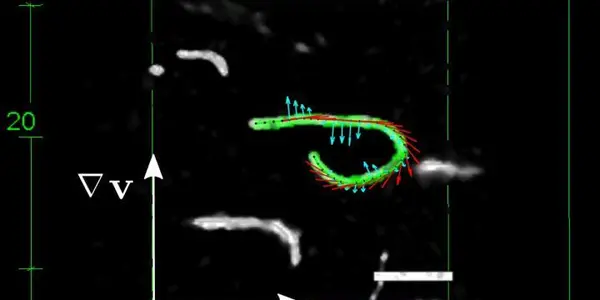
When a sturdy material becomes soft and spongy, it's been damaged in some way. But when it comes to complex fluids and biological cells, things may be different.
By looking at the microscopic building blocks – known as "filaments" – of biopolymer networks, researchers from Forschungszentrum Jülich, Germany and the FOM Institute AMOLF in the Netherlands, revealed (Nature Communications DOI: 10.1038/ncomms5060) that such materials soften by undergoing a transition from an entangled spaghetti of filaments to aligned layers of bow-shaped filaments that slide past each other.
A little known secret in data mining is that simply feeding raw data into a data analysis algorithm is unlikely to produce meaningful results.
From recognizing speech to identifying unusual stars, new discoveries often begin with comparison of data streams to find connections and spot outliers. But most data comparison algorithms today have one major weakness – somewhere, they rely on a human expert to specify what aspects of the data are relevant for comparison, and what aspects aren't. But experts aren't keeping pace with the growing amounts and complexities of big data.
Decaffeinated coffee drinking may benefit liver health, according to a paper in Hepatology by Researchers from the National Cancer Institute whichsayss that higher coffee consumption, regardless of caffeine content, was linked to lower levels of abnormal liver enzymes.
This suggests that chemical compounds in coffee other than caffeine may help protect the liver.
Researchers are working to select autochthonous bacteria with biofertilizing potential as a result of the stimulating effect they have on the take-up of nutrients by plants, phytohormone production and phytopathogen control. Both organic and synthetic fertilizers are expensive and not very sustainable from an environmental power of view so researchers from Neiker-Tecnalia, the Basque Institute for Agricultural Research and Development, in Spain, believe farmers would embrace bacteria-based biofertilizers.
Psychologists recently carried out hundreds of mock police lineups to determine the most successful procedure for identification of criminals. Inaccurate identification can obviously lead to the prosecution of innocent people while guilty ones go free.
It is difficult for pharmaceutical companies to have good public relations in an immediate news and social media world - no matter how many trials are done, people can still have adverse effects or even suffer real harm - and social media detractors can just claim they are corrupt and convince a large segment of their followers. To make sure the public has as much confidence as possible in new products, all drugs have to undergo exhaustive, time-consuming and expensive testing. When high-profile media events like ebola, which killed 1/13,000th as many Americans this week as heart disease did, happen, there are calls to throw ethics and testing protocols out the window.
PHILADELPHIA — Higher levels of total cholesterol and triglycerides, two types of fat, in the blood of men who underwent surgery for prostate cancer, were associated with increased risk for disease recurrence, according to a study published in Cancer Epidemiology, Biomarkers & Prevention, a journal of the American Association for Cancer Research.