Inside Science

InsideScience

Inside Science is an editorially independent news product of the American Institute of Physics, a nonprofit organization dedicated to advancing, promoting and serving the physical sciences. Link: http://www.insidescience.org/
RSS Feed
3 Easy Steps To Making Beer The Scientific Way

3 Easy Steps To Making Beer The Scientific Way

Karin Heineman, Inside Science TV –  Beer! Most Americans choose it over all other alcoholic beverages.It's also one of the world's oldest beverages. In fact the first evidence of beer production dates back to Ancient Egypt and Mesopotamia in the fifth millennium BC. People have been brewing beer for a very long time, even before anyone really understood what turns its ingredients into alcohol.

Detecting Toxic Drugs Faster

Detecting Toxic Drugs Faster

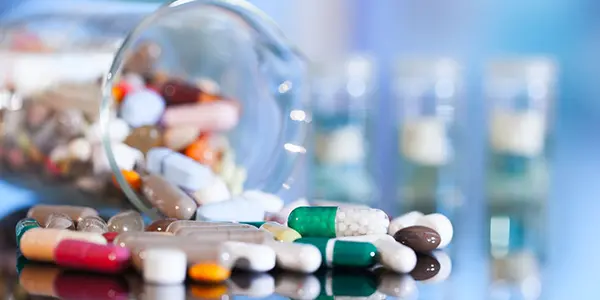
By Ben Stein, Inside Science - Testing whether a drug is safe and effective usually takes many years and millions of dollars. Now, researchers have discovered a surprisingly simple method that could quickly and inexpensively weed out many toxic drugs early in the testing process. The test simply explores how much a drug alters a cell's outer covering, or membrane.

Synthetic Cannabinoids - Please Don't Call It Fake Weed

Synthetic Cannabinoids - Please Don't Call It Fake Weed

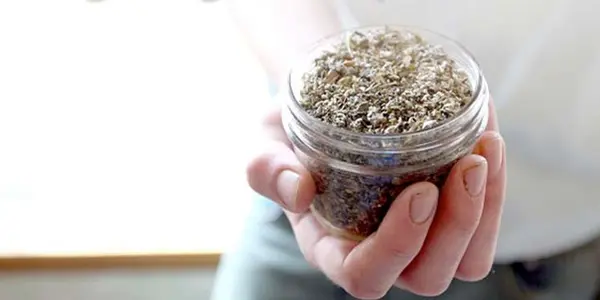
By Benjamin Plackett, Inside ScienceThere is an ongoing competition of bureaucratic one-upmanship between the U.S. government and renegade pharmacists. The government is playing defense. When they ban a variation of a drug, pharmacists then quickly create a newly formulated and therefore legal variation.

How Do You Win A March Madness Bracket? Guess

How Do You Win A March Madness Bracket? Guess

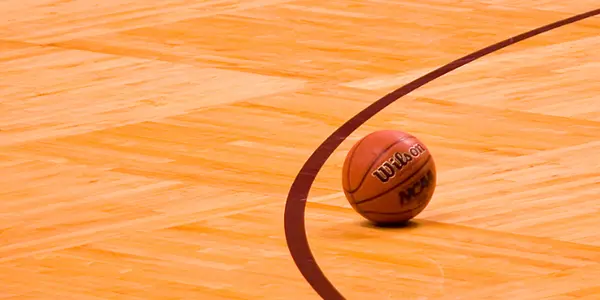
By Chris Gorski Inside Science Currents Blog -- It's NCAA Men's Basketball Tournament time and fans have lots of questions. Will Kentucky win it all and finish the season undefeated? Will one of the "First Four" – the teams that begin tournament play on Tuesday night – become a Cinderella story during this year's March Madness games? What's the best selection method for a pool-winning bracket?

Global Warming Could Cause 50% More Lightning

Global Warming Could Cause 50% More Lightning

By Karin Heineman, (Inside Science TV)Every day around the world, lightning strikes the ground about 10 times per second. That's nearly one million strikes a day!In the U.S. there are 20 million strikes on average every year, and now David Romps, an atmospheric scientist at the University of California Berkeley, says we can expect to see that number grow in the coming years.“What we find by looking in the climate models is that on average they’re predicting a 50 percent increase in the amount of lightning that you get in the United States, during this century, the 21st century," said Romps.And the cause?

Obesity Rates Can Be Determined By Analyzing Sewage

Obesity Rates Can Be Determined By Analyzing Sewage

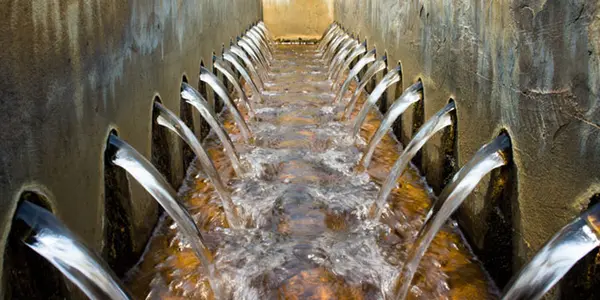
By Brian Owens, Inside Science(Inside Science) -- Sampling the waste in a city's sewage system can be a good way to study the microbes that live in the population's guts – and could even offer a way to monitor public health issues such as obesity, according to new research.

Why Don’t Birds Break Their Necks When They Dive?

Why Don’t Birds Break Their Necks When They Dive?

Northern gannets avoid buckling their necks by choosing the right diving speed. Credit: Jean-Jacques BoujotBy Ben Stein, Inside Science(Inside Science Currents Blog) -- Animals perform many feats that are remarkable once you think about them. Here’s one that I never previously contemplated: seabirds dive into the water to capture fish at seemingly breakneck speeds — yet their necks are completely unharmed.

Amazing Metamaterials Mechanical Properties

Amazing Metamaterials Mechanical Properties

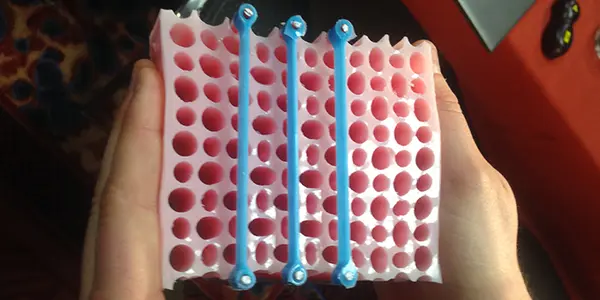
A “mechanically programmable” metamaterial held by Bastiaan Florijn, Leiden University. Photo credit: Ben P. SteinBy Ben Stein, Inside Science(Inside Science Currents Blog) -- It’s rare when a scientific term is both cool sounding and precise, but the word “metamaterial” might just fit the bill. Although they are made from small, ordinary building blocks such as rods, circles or sticks, metamaterials have striking properties that often do not occur in the natural world.        

Our Bright UV-Reflecting Wing Patches Will Settle This!

Our Bright UV-Reflecting Wing Patches Will Settle This!

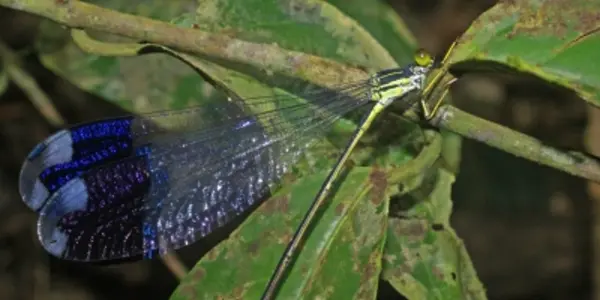
Megaloprepus caerulatus. Credit: Andres Hernandez, STRIBy Jyoti Madhusoodanan, Inside Science(Inside Science) -- In late April, rain begins to pool in the hollows of trees on Barro Colorado Island in Panama. The water-filled tree holes may seem insignificant, but they're prime real estate – and the sites of intense battles – to giant damselflies (Megaloprepus caerulatus) seeking mates.

Danceroom Physics: Seeing The Atomic World Through Art

Danceroom Physics: Seeing The Atomic World Through Art

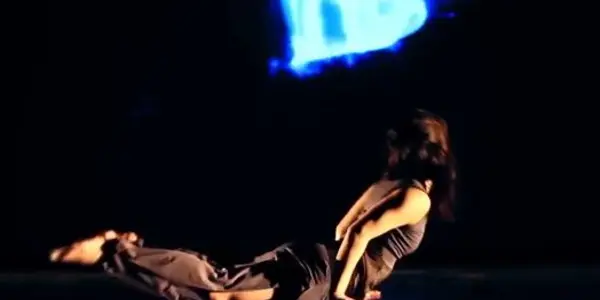
by Marsha Lewis, Inside Science(Inside Science TV) – Scientists often examine matter that is invisible to the naked eye. This hidden atomic world is a mystery for most people, but now a scientist created a way for people to imagine what they might see as their own bodies interact with the atoms that surround them.

How Would Life Develop If Fundamental Physics Constants Were Different?

How Would Life Develop If Fundamental Physics Constants Were Different?

By Gabriel Popkin, Inside Science
(Inside Science) -- For all the progress physicists have made in figuring out the universe, they still don't know some pretty basic things. Why, for example, do fundamental particles possess the specific values of mass that they have? Presently, physicists have no explanation for this and similar questions.