Kids Helping Kids Is Universal - But Cultures Help Differently
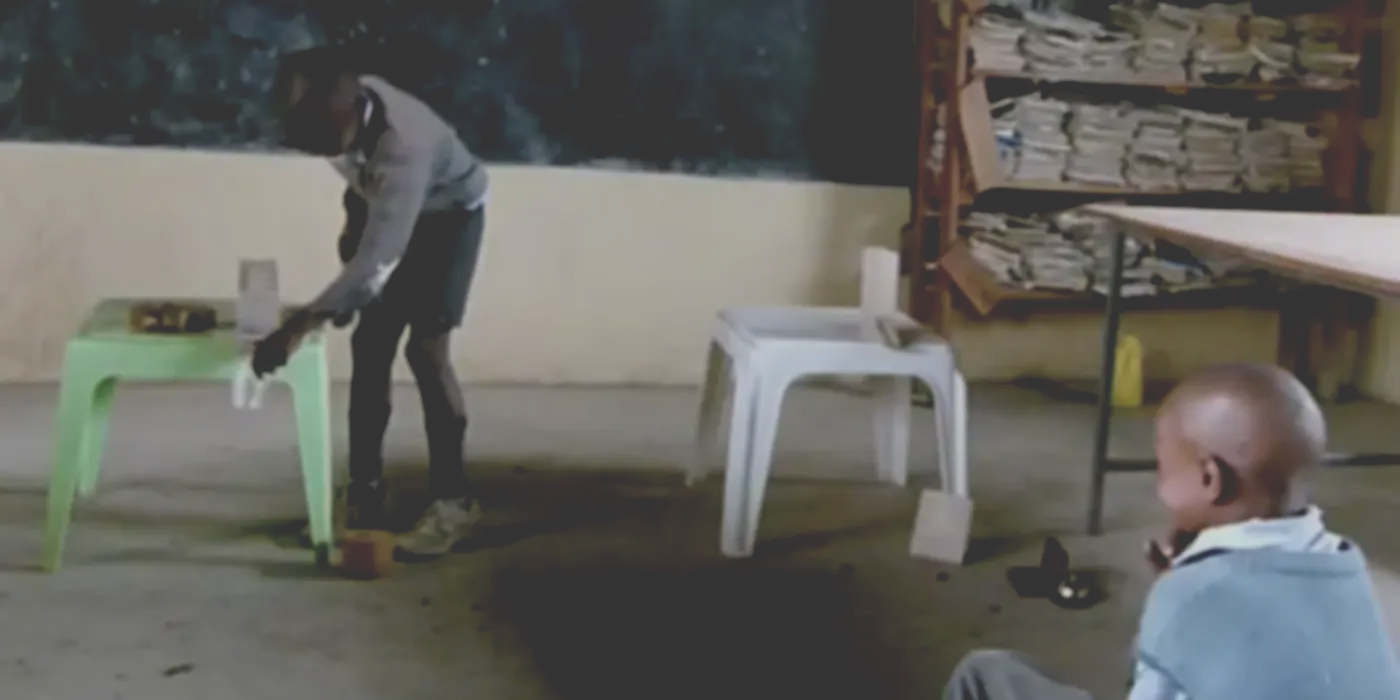
A simple game reveals a universal instinct in kids
A simple game reveals a universal instinct in kids

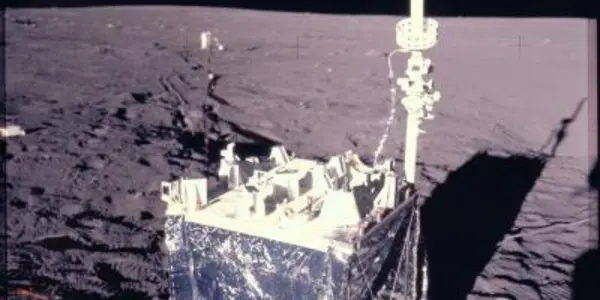
When Neil Armstrong took his first step for all mankind in 1969, researchers obviously had no idea how much of a nuisance the lunar soil beneath his feet would be. The scratchy dust clung to everything it touched, causing scientific instruments to overheat and, for Apollo 17 astronaut Harrison Schmitt, a sort of lunar dust hay fever. The annoying particles even prompted a scientific experiment to figure out how fast they collect, but the data got lost.

Maybe you like to eat carp. Invasive Asian carp have been successfully harvested and served on a dinner plate but the idea of similarly harvesting invasive plants and converting them into ethanol isn't realistic yet - even less realistic than currently mandated and subsidized ethanol.
Obviously, harvesting invasive plants for use as biofuels is a great idea and merits basic research but from a policy point of view, let's hope the government does not start throwing money at companies. For now, it faces poses numerous obstacles and is too expensive to consider, at least with the current ethanol pathways.

The deadly amphibian disease chytridiomycosis has caused the extinction of Darwin's frogs, according to scientists from the Zoological Society of Londonand Universidad Andrés Bello in Chile.
Conservation scientists found evidence of amphibian chytridiomycosis causing mortality in the the northern Rhinoderma rufum endemic to Chile, and linked this with both the population decline of the southern Rhinoderma darwinii from Chile and Argentina, including from undisturbed ecosystems.

Astronomers have found strong evidence that Sagittarius A* (Sgr A*), the supermassive black hole at the center of the Milky Way, is producing a jet of high-energy particles.
The connections between the left and the right hemispheres of the brain strengthen in young children while they sleeo, which may help brain functions mature, according to a new paper.
Scientists have known that the brain changes drastically during early childhood: New connections are formed, others are removed and a fatty layer called "myelin" forms around nerve fibers in the brain. The growth of myelin strengthens the connections by speeding up the transfer of information.
Maturation of nerve fibers leads to improvement in skills such as language, attention and impulse control. But it is still not clear what role sleep plays in the development of such brain connections.
The caffeine in a cup of coffee might help your small blood vessels work better, according to a paper presented at the American Heart Association's Scientific Sessions 2013, which followed 27 healthy adults and showed that drinking a cup of caffeinated coffee significantly improved blood flow in a finger, which is a measure of how well the inner lining of the body's smaller blood vessels work.
Specifically, participants who drank a cup of caffeinated coffee had a 30 percent increase in blood flow over a 75-minute period compared to those who drank decaffeinated coffee.
A research team has uncovered what may be the first recognized example of ancient Martian crust.
The genome sequence of a 24,000-year-old Siberian individual demonstrates genomic signatures that are basal to present-day western Eurasians and close to modern Native Americans and provides a key piece of the puzzle in the quest for Native American origins and also sheds light on the genetic landscape of Eurasia 24,000 years ago.
People are already attached to their smartphones but if you have ever been in an airport waiting area and watched them scramble for outlets, you know recharging is not in the 21st century yet.
There are some solar recharging devices but they are more novelty than practical. A new paper in Nano Letters highlights a battery that can be woven into clothing fibers or incorporated into watchbands - and it even has solar cells for recharging.
About 11 million smokers in the United States own a smartphone - they have apps to do almost anything, including quitting smoking.
Like weight loss or any other behavioral change, their ability to help is limited. But there are some basic strategies most likely to work, and most popular anti-smoking apps for iPhones or Androids lack even those, according to a new study in the American Journal of Preventive Medicine.

As portable electronic devices such as laptops and smartphones get more robust, consumers would like for batteries to keep pace. But rechargeable batteries -- Lithium-ion (Li-ion) being among the most popular - haven't done that. They are 25 year old technology powering things produced this year.
Japanese researchers from a prive sector-government team report an advance in Li-ion battery technology that they describe as a major breakthrough. They fabricated a cathode (positive electrode) of lithium cobalt oxide (LiCoO2) in which the compound's individual grains are aligned in a specific orientation. The researchers claim that this yields a significantly higher-performing battery than one with a randomly-oriented LiCoO2 cathode.
Special labels for foods that have genetic modification and are not organically processed have been the target of initiatives and legislative efforts recently. While a recent survey found that only 7 percent of people felt labeling GMOs was very important to them, that number climbed to 59 percent when they were reminded about genetically modified foods.