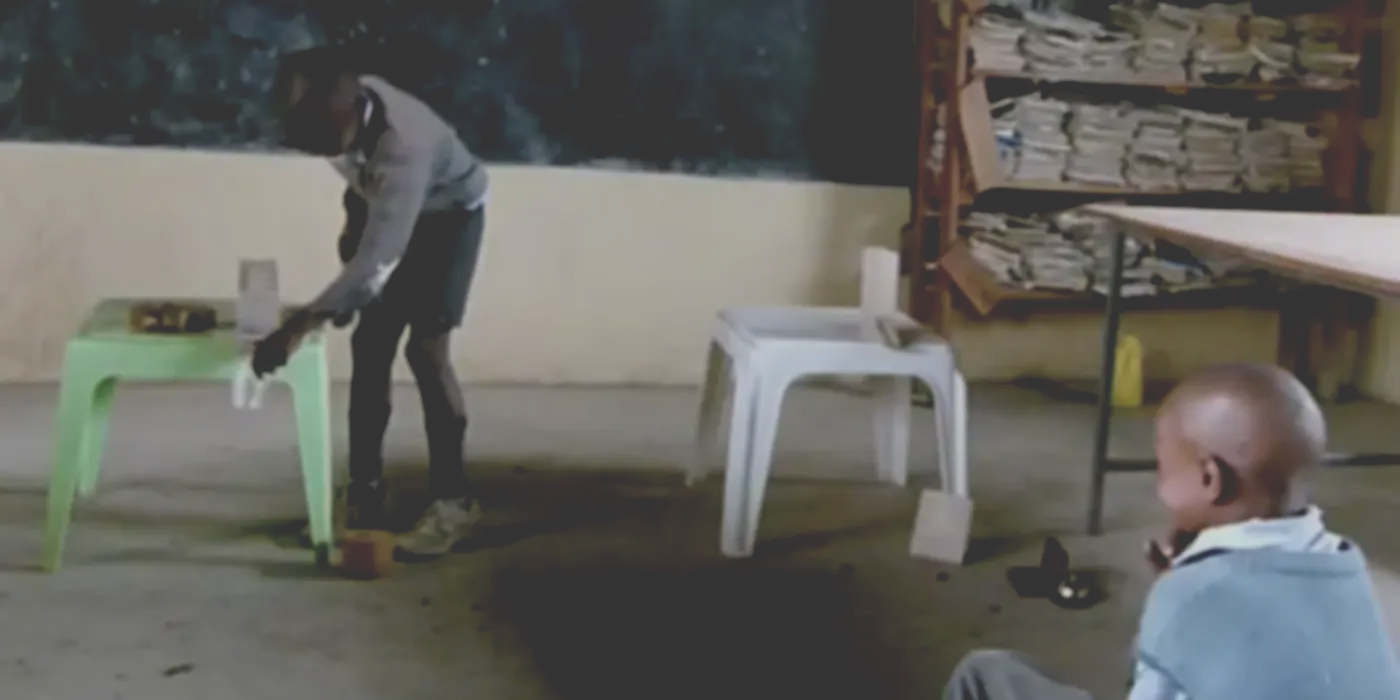
Kids Helping Kids Is Universal - But Cultures Help Differently
A simple game reveals a universal instinct in kids
A simple game reveals a universal instinct in kids


An experiment to probe brain circuits involved in compulsive behavior - where mice were bred missing a gene
suspected to be involved in compulsive behavior and obesity - resulted in offspring mice that were neither compulsive groomers nor obese.
Their Proceedings of the National Academy of Sciences (PNAS) paper suggests that the brain circuits that control obsessive-compulsive behavior are intertwined with circuits that control food intake and body weight.
University of Iowa psychiatrists Michael Lutter, M.D., Ph.D. and Andrew Pieper, M.D., Ph.D., led the study, which included researchers from Stanford University School of Medicine, University of Texas Southwestern Medical Center, Beth Israel Deaconess Medical Center, and Harvard Medical School.
Though the mechanism responsible for generating part of the skeletal support for the membrane in animal cells is not yet understood, researchers have found a well-defined layer beneath the cell outer membrane forms beyond a certain critical level of stress generated by motor proteins within the cellular system.
A 350-year-old mathematical mystery, that two pendulum clocks mounted together could swing in opposite directions, due to tiny vibrations in the beam caused by both clocks affecting their motions, is a step closing to having a formula derived.
And it could lead to a better understanding of medical conditions like epilepsy or even the behavior of predator-prey systems in the wild, University of Pittsburgh researchers report.

Since 1996, farmers across the world have planted more than a billion acres of genetically modified corn and cotton that produce insecticidal proteins from the soil bacterium Bacillus thuringiensis, called Bt for short.
Bt proteins, used for decades in sprays by organic farmers, kill some devastating pests but are environmentally friendly and harmless to people. Some scientists have feared that widespread use of these proteins in genetically modified crops would spur rapid evolution of resistance in pests, while opponents predicted Armageddon due to such a biological arms race.
Overprecision, excessive confidence in the accuracy of our knowledge, can have profound consequences in various ways, making people intolerant of dissenting views, leading physicians to gravitate too quickly to a diagnosis or inflating investors' valuation of their investments.
Overprecision is a common form of overconfidence driven, at least in part, by excessive certainty in the accuracy of our judgments, say business scholars.
A new paper in Psychological Science says that the more confident participants were about their estimates of an uncertain quantity, the less they adjusted their estimates in response to feedback about their accuracy and to the costs of being wrong.
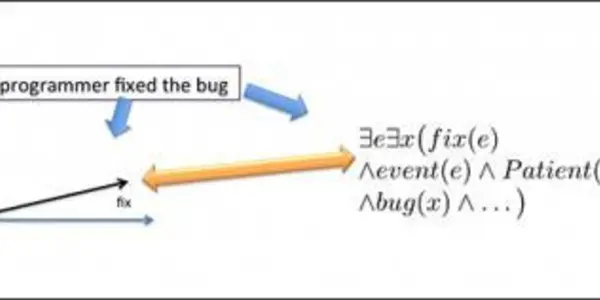
For a human, knowing the difference between the "charge" of a battery and being charged in a crime is easy. Any three-year-old can look at a cartoon of a chicken and say "That's a chicken" but for computers those are still daunting tasks.
When a liver from a deceased adult or adolescent donor is split into two separate portions for transplantation, with the smaller portion going to a young child and the larger to an adult, the child will benefit as much if they had received a whole organ from a donor close to their size, according to a paper in Liver Transplantation.
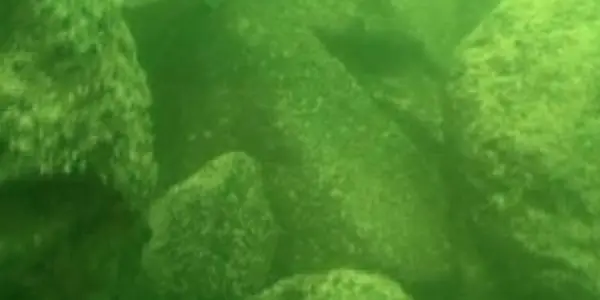
The Sea of Galilee, located in the North of Israel, has numerous significant archaeological sites and an ancient structure underneath the waves adds to its mysteries.
The cone-shaped monument, approximately 230 feet in diameter, 39 feet high, and weighing an estimated 60,000 tons, was found while conducting a geophysical survey on the southern Sea of Galilee, reports Prof. Shmulik Marco of TAU's Department of Geophysics and Planetary Sciences.

While the universe is littered with planets, comets and lots of other rocky bodies, how tiny grains of dust in the disc around a young star grow bigger and bigger, to eventually become rubble and even boulders well beyond a meter in size, is a mystery.
Computer models suggest that dust grains grow when they collide and stick together. However, when these bigger grains collide again at high speed they are often smashed to pieces and sent back to square one. Even when this does not happen, the models show that the larger grains would quickly move inwards because of friction between the dust and gas and fall onto their parent star, leaving no chance that they could grow even further.
A few brief days in embryonic life lays out our body's construction plan. The appearance of limbs and vertebrae is orchestrated by a family of 'architect' genes called Hox, each providing precise instructions at a given time.
New research has demonstrated that these genes were aligned within our chromosomes according to the order of structures - collinear expression in developing limb buds: first the components of the shoulder, then the arm, and finally the fingers.
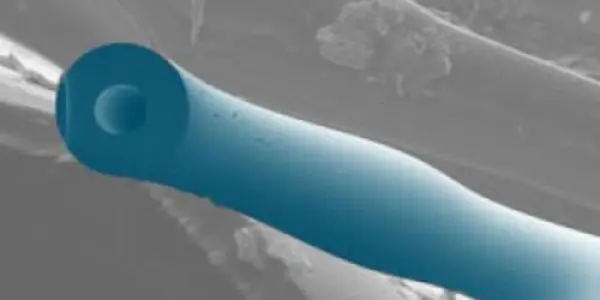
If you've been to a whispering gallery, a quiet, circular space often underneath a dome or vault that captures and amplifies sounds as quiet as a whisper, you have witnessed parabolics in action. The sound waves are efficiently propagated by the concave surface and similar whispering-gallery waves are evident in light.
Researchers are applying similar principles in the development optomechanical sensors that will help unlock vibrational secrets of chemical and biological samples at the nanoscale.
Using social media like Twitter, Facebook and others is said to be like drinking from a fire hose.
A team of data scientists at the Department of Energy's Pacific Northwest National Laboratory, is trying to drink from 7 billion firehoses. They have created a system capable of analyzing billions of tweets and other social media messages in an effort to discover patterns and make sense of all the information. They call the analysis tool "SALSA" (SociAL Sensor Analytics).
"The world is equipped with human sensors – more than 7 billion and counting. It's by far the most extensive sensor network on the planet. What can we learn by paying attention?" Court Corley, data scientist at PNNL, said.