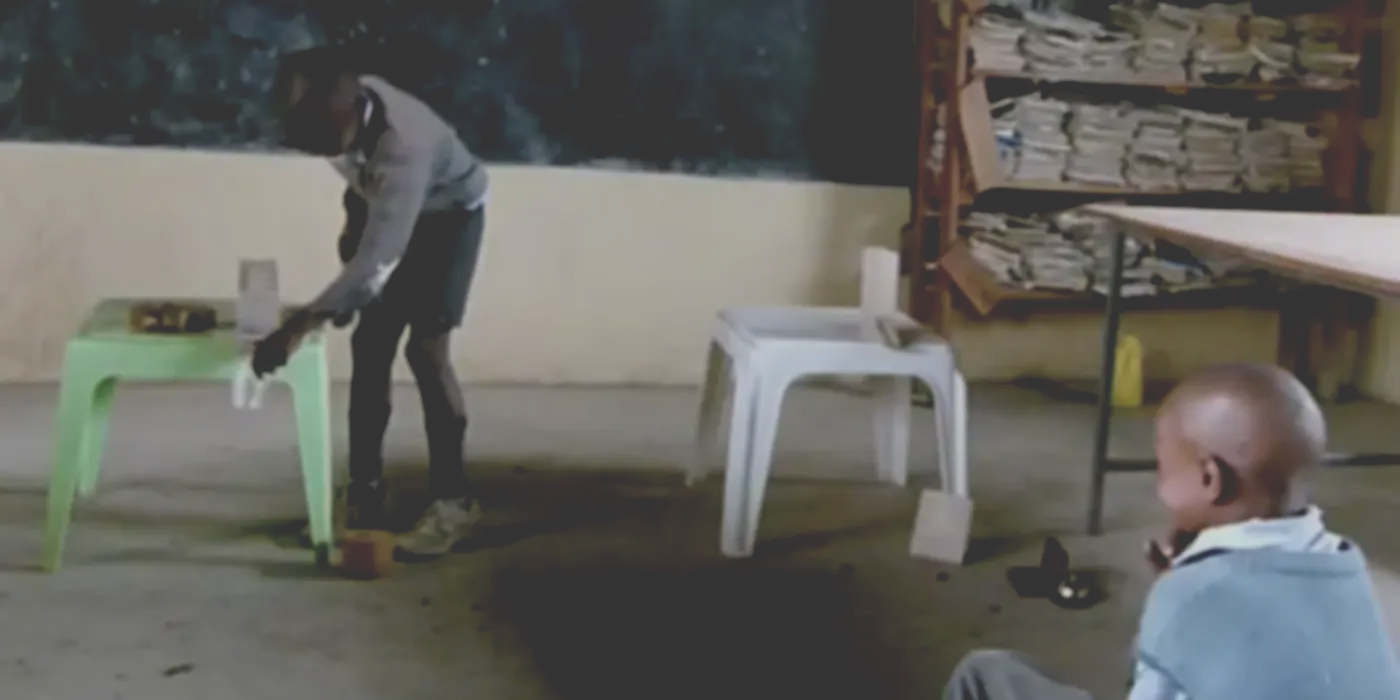
Kids Helping Kids Is Universal - But Cultures Help Differently
A simple game reveals a universal instinct in kids
A simple game reveals a universal instinct in kids


The debate over the actual benefit of antioxidants may be ongoing but the studies keep coming in. Regardless of cardiovascular disease medical history, Swedish women who ate an antioxidant-rich diet had fewer strokes, shows the results of a new survey.Oxidative stress is an imbalance between the production of cell-damaging free radicals and the body's ability to neutralize them. It leads to inflammation, blood vessel damage and stiffening.Antioxidants such as vitamins C and E, carotenoids and flavonoids can inhibit oxidative stress and inflammation by scavenging the free radicals. Antioxidants, especially flavonoids, may also help improve endothelial function and reduce blood clotting, blood pressure and inflammation.

Researchers using the Ozone Monitoring Instrument (OMI) on NASA's Aura satellite have confirmed major reductions in the levels of sulfur dioxide, a key pollutant generated by coal power plants which contributes to the formation of acid rain, in the eastern United States.
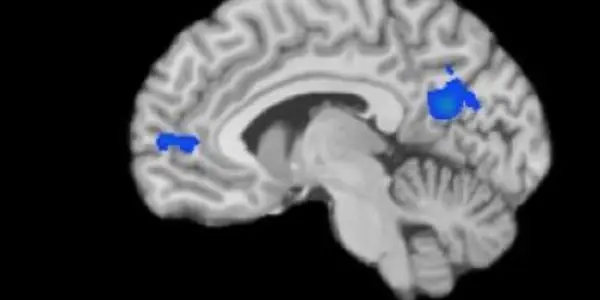
People who meditate seem to be able 'switch off' areas of the brain associated with daydreaming as well as psychiatric disorders such as autism and schizophrenia, according to a new brain imaging study published in the Proceedings of the National Academy of Sciences.Meditation's ability to help people stay focused on the moment has been associated with increased happiness levels, said Judson A. Brewer, assistant professor of psychiatry and lead author of the study. To find out more, the team conducted functional magnetic resonance imaging scans on both experienced and novice meditators as they practiced three different meditation techniques.
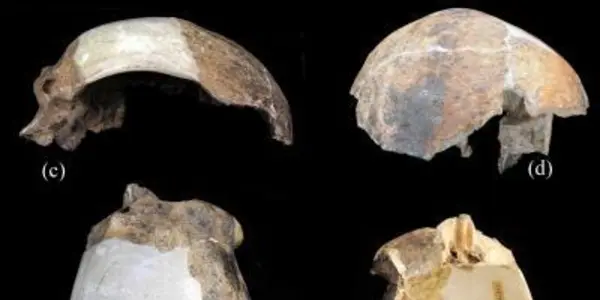
An East Asian human fossil from Maba, China and dated to the late Middle Pleistocene age has provided evidence of interhuman aggression and human induced trauma occurred 126,000 years ago.A report in the Proceedings of the National Academy of Sciences suggests that a 14 mm ridged, healed lesion with bone depressed inward to the brain resulted from localized blunt force trauma. Was it an accident or interhuman aggression?The Maba cranium was discovered with the remains of other mammals in June 1958, in a cave at Lion Rock in Guangdong province, China. The Maba cranium and associated animal bones were unearthed at a depth of one meter by farmers removing cave sediments for fertilizer.
A mathematical model could guide treatment decisions for advanced prostate cancer, in part by helping doctors predict how individual patients will respond to therapy based on the biology of their tumors.These decisions would apply to treatment of cancer that has already spread beyond the prostate gland or that has recurred after initial treatments, such as surgery or radiation. Patients with this more advanced prostate cancer receive a therapy called androgen ablation, which inhibits production of testosterone – the culprit that allows a tumor to keep growing.
The climate change effect of CO2 released from peat may be far greater than assumed. Drought causes peat to release far more carbon dioxide into the atmosphere than has previously been realized, according to new research.
Before human embryonic stem cells can be examined for therapeutic potential it must be determined whether or not transplanted cells can functionally integrate into target organs or tissues.Human embryonic stem cells (hESC), and induced pluripotent stem cells(iPS Cells), can give rise to all of the 220 types of tissues in the human body, and have been directed in the lab to become many types of cells, including brain cells.
Glow-in-the-dark stickers are nothing new; they emit visible light after being exposed to sunlight. A paper just published in Nature Materials emits a long-lasting, near-infrared glow after a single minute of exposure to sunlight. Why is that good? It has the potential to revolutionize medical diagnostics, give the military and law enforcement agencies a 'secret' source of illumination - because the near-infrared range can only be seen with the aid of night vision devices - and maybe even provide a foundation for solar cells that aren't complete rubbish.
Premature infants suffer a life-threatening destruction of intestinal tissue called necrotizing enterocolitis (NEC) have gotten a new data point for researchers to examine: Preemies with the AB blood type who develop NEC are nearly three times as likely to die from it as preemies with other blood types.

Energy harvested from insects may take the utility of miniature cyborgs to the next level.Researchers say they can now harvest the insect's biological energy from either its body heat or movements, and the device converts the kinetic energy from wing movements of the insect into electricity, thus prolonging the battery life. The battery can be used to power small sensors implanted on the insect, such as a small camera, a microphone or a gas sensor in order to gather vital information from hazardous environments.
Researchers have discovered how Golden orb web spiders (Nephila antipodiana) add a chemical to their web silk to repel invading ants, which means spider silk is even more awesome than it was before; it was already strong, elastic and adhesive, and now it can improve pesticide design.
Researchers have pinpointed the cancer-fighting potential in the bat plant, or Tacca chantrieri.Susan Mooberry, Ph.D., leader of the Experimental Development Therapeutics Program at the University of Texas Health Science Center at San Antonio, has been working to isolate substances in the plant in hopes of finding a new plant-derived cancer drug with the potential of Taxol. Taxol, the first microtubule stabilizer derived from the Yew family, has been an effective chemotherapy drug, but patients eventually develop problems with resistance over time and toxicity at higher doses. Researchers have long been seeking alternatives.