Kids Helping Kids Is Universal - But Cultures Help Differently
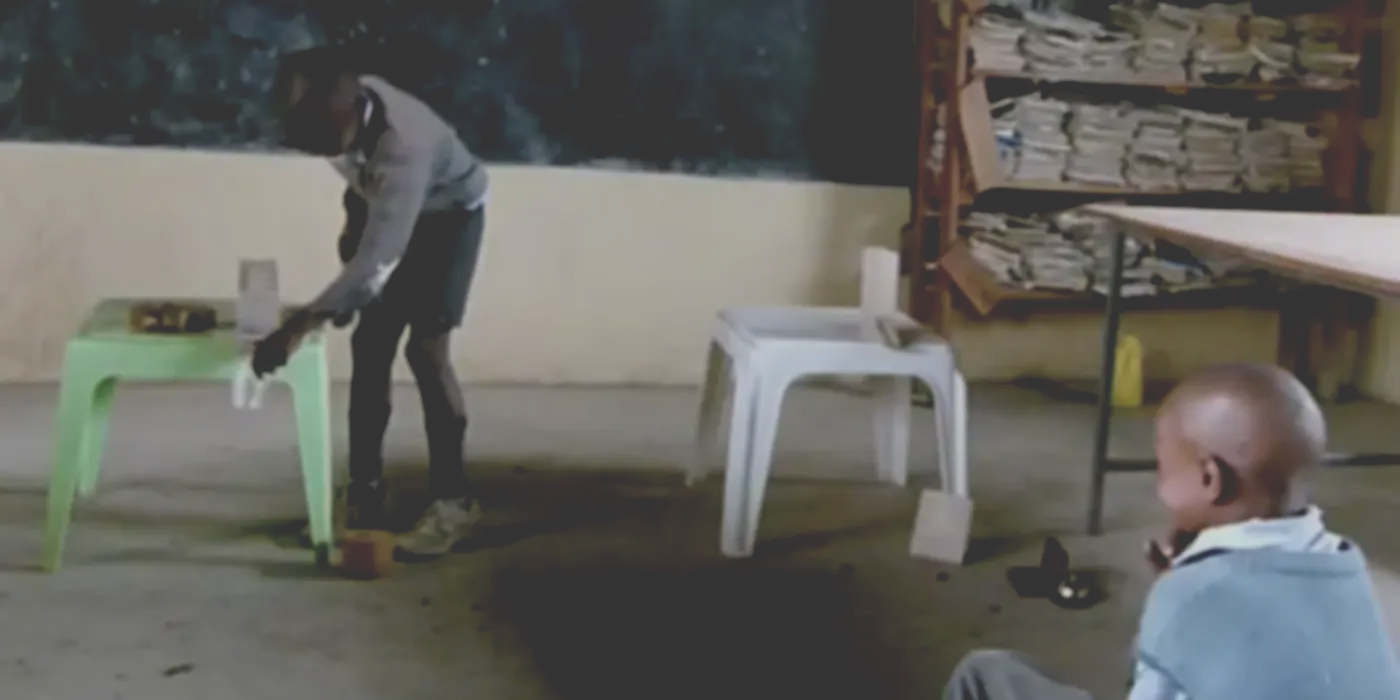
A simple game reveals a universal instinct in kids
A simple game reveals a universal instinct in kids


Many Americans go to foreign news sources for coverage of the war in Iraq and Palestinian-Israeli conflict because western media outlets censor gruesome war-time images, according to a study in Media, War and Conflict.Researchers conducted two online surveys of Al-Jazeera Web users during November and December 2004. They found that most of those who use the Al-Jazeera English-language website are from the U.S., Canada, the U.K and Australia. Respondents indicated that they appreciate the graphic pictures of war they find on the site that they don't see in mainstream media. As one user explained:
Researchers say they have found another potential risk factor for breast cancer--Grandma's diet.Georgetown University scientists say that pregnant rats that ate a high fat diet not only increased breast cancer risk in their female daughters but also in that daughter's offspring – the "granddaughters." Details of the study will be presented at the AACR Annual Meeting 2010.Why the risk is passed on through two generations is unknown, but experts believe it occurs through as-yet unknown "epigenetic" changes that result in an increase in terminal end buds in the breast tissue – an increase that apparently can then be passed on through generations.

NASA's Terra satellite has captured another image of Iceland's Eyjafjallajökull-Fimmvörduháls volcano ash cloud, now moving into Germany. Eyjafjallajökull continues to spew ash into the air and the ash clouds are still impacting air travel in Northern Europe.The satellite flew over the volcano on April 16 at 10:45 UTC (6:45 a.m. EDT) and the Moderate Resolution Imaging Spectroradiometer, or MODIS instrument aboard Terra captured a visible image of Eyjafjallajökull's ash plume over the England and the Netherlands, stretching into Germany.Air travel into and out of northern Europe has either been grounded or diverted because volcanic ash particles pose a risk of damage to airplane engines.
In 2009, the R.J. Reynolds Tobacco Company launched a dissolvable nicotine product called Camel Orbs. The mint look-a-likes are intended as a temporary form of nicotine for smokers in settings where smoking is banned, but a team of overzealous health mullahs from Harvard and the CDC claim the pellets could lead to accidental nicotine poisoning in children. Writing in Pediatrics, the researchers point out that last year just under 7,000 out of 2.2 million calls to poison control centers were tobacco-related poisoning among children five years of age and under. Small children can experience nausea and vomiting from as little as 1 mg of nicotine.
Researchers from the University of Gothenburg have discovered a brand new species of bacterium found only in the Gullmarsfjord north of Gothenburg in Sweden. The new species has been dubbed Endoxenoturbella lovénii.The bacterium is an endosymbiotic prokaryote living in the gut of a marine worm called Xenoturbella, a creature also unique to the Gullmarsfjord. Researchers identified two types of endosymbiotic bacteria (Xenoturbellida, Bilateria). They say other scientists should consider the new endosymbionts "when interpreting the poorly understood ecology and evolution of Xenoturbella."
Paleontologists have discovered a plant-eating dinosaur that live 70 to 80 million years ago. The new species, Texacephale langstoni, was about as big as a medium sized dog. The discovery represents a new genus of pachycephalosaur, a group of bipedal, thick-skulled dinosaurs.Researchers discovered two skull fragments in Big Bend National Park in southwest Texas in 2008 and compared them to dozens of fossils from related species found in Canada and Montana. The new species is one of about a dozen known to have solid lumps of bone on top of their skulls, which researchers speculate was probably used to ram one another head-on in a manner similar to modern-day musk oxen and cape buffalo.
A new study in the Journal of Geophysical Research suggest that solar wind may charge polar lunar craters to hundreds of volts as it flows over natural obstructions on the moon. The findings are important for NASA scientists who are investigating the resources, including water ice, which exist in polar lunar craters. Solar wind inflow into craters can erode the surface, which affects recently discovered water molecules. Static discharge could short out sensitive equipment, while the sticky and extremely abrasive lunar dust could wear out spacesuits and may be hazardous if tracked inside spacecraft and inhaled over long periods.
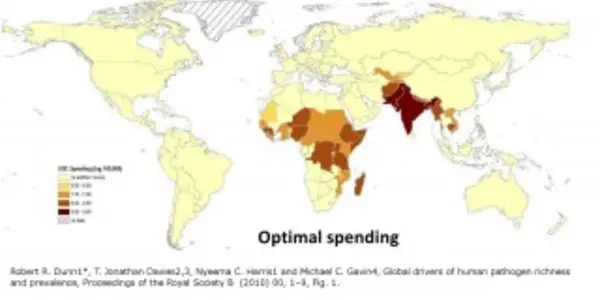
Attempting to eradicate disease is not a good use of public health dollars, say researchers writing in Proceedings of The Royal Society B. Instead, the emphasis should be placed on reducing the prevalence of diseases in areas most affected by them. What's more, the scientists argue, new research shows that the most at-risk populations can be identified using just three variables.A great diversity of local mammals and birds in a region, a large human population and ineffective disease control efforts point to a high-prevalence of disease. Climate plays a role in determining how many different kinds of diseases there are, but not how many people will suffer from them.
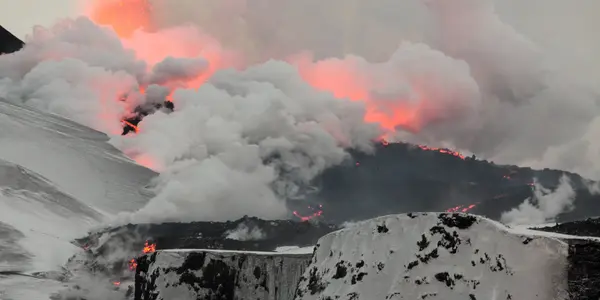
The eruption of the Icelandic Eyjafjallajokull volcano that sent a huge plume of ash into the atmosphere is unlikely to have a global impact and will probably dissipate in the next several days, according to a University of Colorado, Boulder atmospheric scientist.Professor Brian Toon, chair of CU-Boulder's atmospheric and oceanic sciences department, compared the Icelandic eruption to the popping of a champagne bottle cork. When the pressure is released by breaching the rock "cork," gases bubble out, spewing tiny rock particles into the air like champagne droplets. Such rocks threaten the safety of airliners.
The next generation of doctors and other health professionals does not like fat people. In fact, they like fat people even less than the rest of the population, according to a study published in Obesity.Scientists at the Universities of Manchester and Hawaii and Yale University suggests that medical and allied health professions need to present a balanced view of the causes of, and treatment for, obesity when training young professionals in order to reduce the strong prejudice towards obese people. Emphasizing the "uncontrollable" causes of weight gain, such as exposure to junk food advertising, would be one way to reduce the prejudice among health professionals.
A new British Medical Journal editorial claims that banning trans fats would protect the public and save lives by preventing thousands of heart attacks and deaths every year.The policy recommendation follows calls by public health specialists to eliminate the consumption of industrially-produced trans fats in the UK by next year. Action by the UK might also produce larger benefits by inspiring other developed and developing countries to take similar measures to protect their citizens' health, the authors conclude. Trans fats (trans fatty acids) are solid fats found in margarine, biscuits, cakes, and fast food. Many studies demonstrate harmful effects of trans fats on cardiovascular risk factors.
Electronic readers allow children to interact with texts in ways they don't interact with the printed word, encouraging them to read, according to Kansas State University professor of Education Lotta Larson.Since fall 2009, Larson has been using the Amazon Kindle in her work with a pair of second-graders. The e-reader has features that make the text audible, increase or decrease font size and let readers make notes about the book."It's interesting to see the kinds of things these kids have been able to do," Larson said.Sometimes they make comments summarizing the plot, therefore reinforcing their understanding of the book. Other times they ponder character development, jotting down things like "If I were him, I'd say no way!"