Brain Circuit Linked To Pregnancy Food Cravings Identified
Pregnant women have experienced exotic food cravings since recorded history began. This may be why.
Pregnant women have experienced exotic food cravings since recorded history began. This may be why.


For the first time, researchers have used adult bone marrow stem cells to regenerate healthy human liver tissue, according to a study published in the April issue of the journal Radiology.
When large, fast-growing cancers invade the liver, some patients are unable to undergo surgery, because removing the cancerous tissue would leave too little liver to support the body.
The Himalaya, the “Roof of the World”, source of the seven largest rivers of Asia are, like other mountain chains, suffering the effects of global warming. To assess the extent of melting of its 33 000 km2 of glaciers, scientists have been using a process they have been pioneering for some years. Satellite-imagery derived glacier surface topographies obtained at intervals of a few years were adjusted and compared. Calculations indicated that 915 km2 of Himalayan glaciers of the test region, Spiti/Lahaul (Himachal Pradesh, India) thinned by an annual average of 0.85 m between 1999 and 2004. The technique is still experimental, but it has been validated in the Alps and could prove highly effective for watching over all the Himalayan glacier systems.
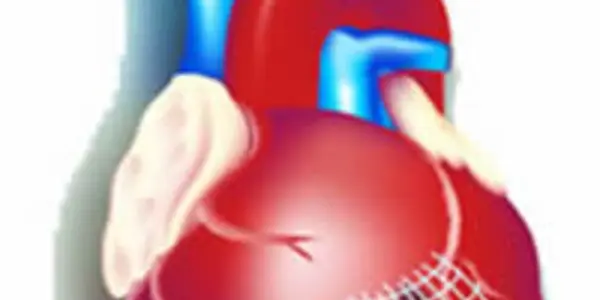
Some day, heart attack survivors might have a patch of laboratory-grown muscle placed in their heart, to replace areas that died during their attack. Children born with defective heart valves might get new ones that can grow in place, rather than being replaced every few years. And people with clogged or weak blood vessels might get a new “natural” replacement, instead of a factory-made one.
These possibilities are all within reach, and could transform the way heart care is delivered, say University of Michigan Medical School researchers in the new issue of the journal Regenerative Medicine.
The validity of a leading theory that has held a glimmer of hope for unraveling the intricacies of the brain has just been called into question. Dr. Ilan Lampl of the Weizmann Institute of Science's Neurobiology Department has produced convincing evidence to the contrary. His findings recently appeared in the journal Neuron.
Cells in the central nervous system tend to communicate with each other via a wave of electrical signals that travel along neurons. The question is: How does the brain translate this information to allow us to perceive and understand the world before us?
Scientists at the U.S. Department of Energy’s (DOE) Brookhaven National Laboratory are trying to design catalysts inspired by photosynthesis, the natural process by which green plants convert sunlight, water, and carbon dioxide into oxygen and carbohydrates. The goal is to design a bio-inspired system that can produce fuels like methanol, methane, and hydrogen directly from water and carbon dioxide using renewable solar energy. Four Brookhaven chemists will discuss their research on this so-called "artificial photosynthesis" at the 233rd National Meeting of the American Chemical Society.
The emerging field of metagenomics, where the DNA of entire communities of microbes is studied simultaneously, presents the greatest opportunity -- perhaps since the invention of the microscope -- to revolutionize understanding of the microbial world, says a new report from the National Research Council. The report calls for a new Global Metagenomics Initiative to drive advances in the field in the same way that the Human Genome Project advanced the mapping of our genetic code.
Is that pain in your chest a heart attack or indigestion? New research from Wake Forest University School of Medicine reveals that more areas of the brain than previously thought are involved in determining the location of pain.
Spatial aspects of pain are a common problem in diagnosis, said Robert Coghill, Ph.D., senior researcher on the study and a neuroscientist at Wake Forest University School of Medicine. Patients cannot always distinguish pain from indigestion and pain from a heart attack, for example. Pain from a nerve injury is often felt at sites other than at the injury. And, in some cases, an injury on one side of the body results in pain on both sides.
Virginia Tech chemists are looking for biobased alternatives and environmentally friendly reaction pathways to replace a toxic intermediate that is a critical component of many polymer products.
Isocyanates are important to many products we take for granted – from paint to spandex running shorts. But the high reactivity for which the chemical group is valued also makes this compound toxic when breathed.
Common bacteria with an overt reaction to toxins that cause oxidative stress show promise as a biosensor to predict public health threats.
At the 233rd American Chemical Society national meeting in Chicago March 25-29, researchers from Virginia Tech and the Edward Via Virginia College of Osteopathic Medicine (VCOM) reported their work on a bacteria biosensor prototype and correlations to brain tissue damage.
Platinum might outweigh gold in the jewelry market, but as part of an ongoing effort to produce efficient and affordable fuel cells, scientists at the U.S. Department of Energy's (DOE) Brookhaven National Laboratory are studying how gold atoms might enhance the value of the pricier metal. Specifically, they're looking for ways to use gold to prevent the destruction of platinum in the chemical reactions that take place in fuel cells. Brookhaven chemist Radoslav Adzic will describe this research during the 233rd National Meeting of the American Chemical Society on Tuesday, March 27, 2007, in Chicago, Illinois.
A mother’s high beef consumption while pregnant was associated with lower sperm counts in her son, according to a study led by researchers at the University of Rochester.
Researchers sought to examine the relationship between semen quality and long-term risks from growth hormones and other chemicals in beef. While the study results revealed a significant link between the lowest sperm counts and mothers who were the highest beef consumers (seven or more beef meals per week), researchers could not pinpoint hormones, pesticides or other environmental chemicals in the animal fat as a direct cause.
People are mixing supplements, herbs and over-the-counter medications and prescription drugs to cure themselves of ills, unaware that they could be making themselves sicker, says George Grossberg, M.D., director of the division of geriatric psychiatry at Saint Louis University.
Dr. Grossberg is about to change all that. He is the co-author of a new book, "The Essential Herb-Drug-Vitamin Interaction Guide," which is a comprehensive listing of what various herbs and supplements do, possible side effects and how they might interact with other medications and foods.