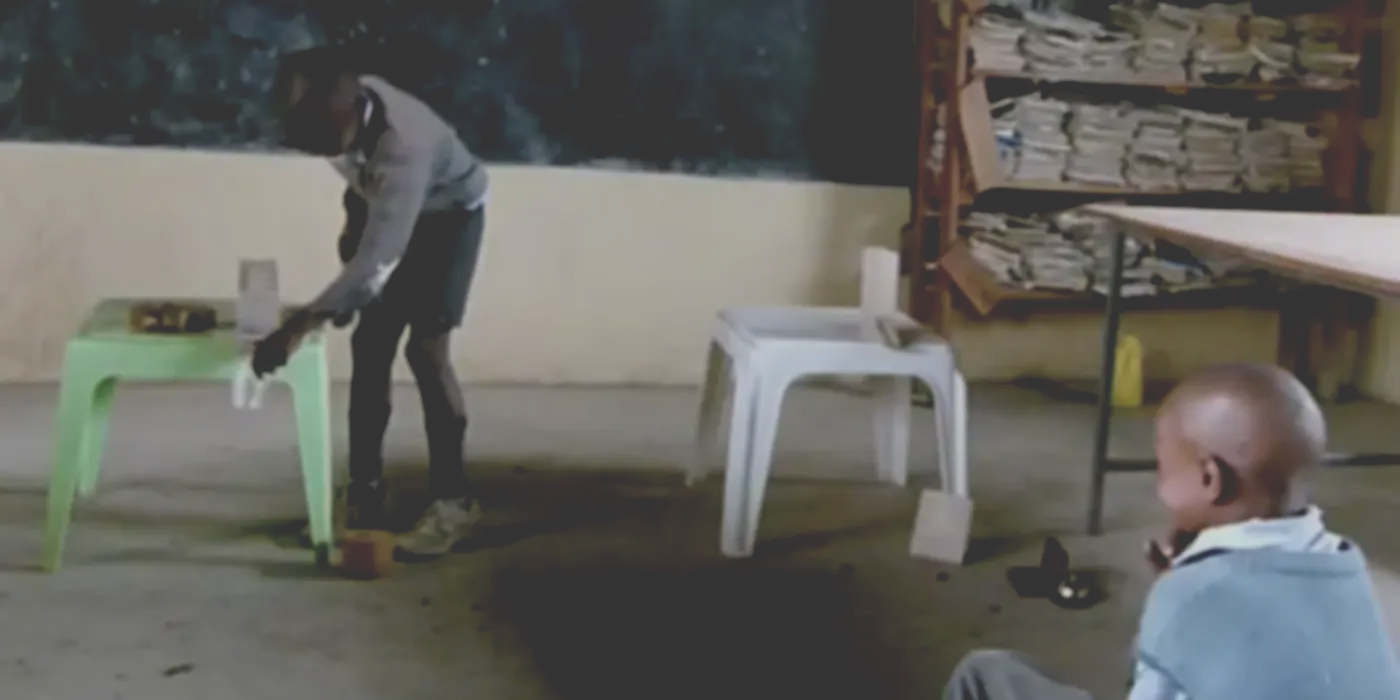
Kids Helping Kids Is Universal - But Cultures Help Differently
A simple game reveals a universal instinct in kids
A simple game reveals a universal instinct in kids


How can a product which can be made for free be profitable? It happens all of the time. Words are free, for example, yet the Wall Street Journal sells good ones to its customers. Science 2.0 was built on open source tools but lots of consulting companies do the work for people less skilled in programming.
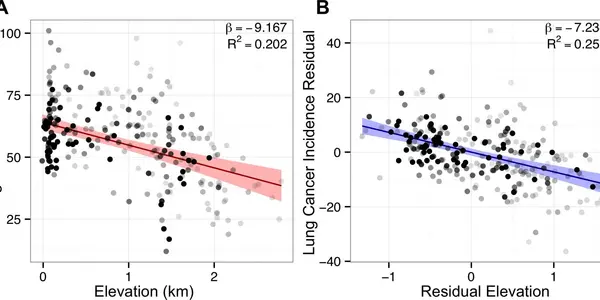
We've all seen athletes on the sidelines of a football game with a mask over their mouths inhaling oxygen. It may seem odd that anyone stands around for 60 seconds, moves for 10 and then has to go sit on a bunch with an oxygen tank but oxygen is life, and the belief is greater oxygen in the blood will mean greater athletic performance.It may also mean more lung cancer, is it said. Why? People at higher elevations get less respiratory cancer than people at lower ones, for other cancers it is no different. Is that just epidemiology scrambling for curves to match again or is there something to it? Will boosting metabolism that way also boost the rates of cancer?
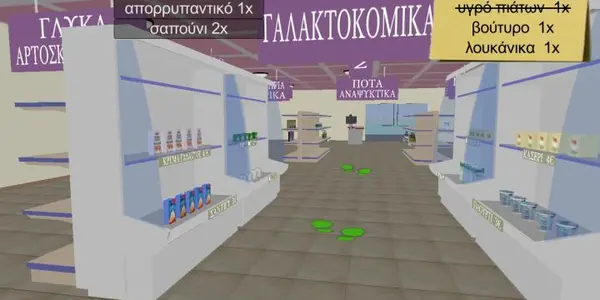
A recent study showed that a virtual reality cognitive training game could be a screening tool for patients with mild cognitive impairment (MCI) among a sample of older adults. Mild cognitive impairment is a condition that often predates Alzheimer's disease and is characterized by memory loss and inability to execute complex activities such as financial planning.

Many cancer survivors face physical and mental challenges, such as sexual dysfunction or anxiety about getting cancer again or financial hardships, even decades after the treatment is ended.
Finding ways to help will become increasingly important because more cancer patients are living many years after treatment. The number of U.S. survivors is expected to top 19 million by 2024. While most survivors do well after treatment, some experience continuing problems that can significantly impair their quality of life well beyond the 5-year survival milestone. The problems and challenges can vary by the type of cancer patients had and the treatments they received.
Recent results of a study finds that that sensor changes have significantly biased temperature observations from the Snowpack Telemetry (SNOTEL) station network.
More than 700 SNOTEL sites monitor temperature and snowpack across the mountainous western U.S. SNOTEL provides critical data for water supply forecasts. Researchers often use SNOTEL data to study mountain climate trends and impacts to mountain hydrology and ecology.
University of Montana and Montana Climate Office researcher Jared Oyler and colleagues applied statistical techniques to account for biases introduced when equipment was switched at SNOTEL sites in the mid-1990s to mid-2000s.
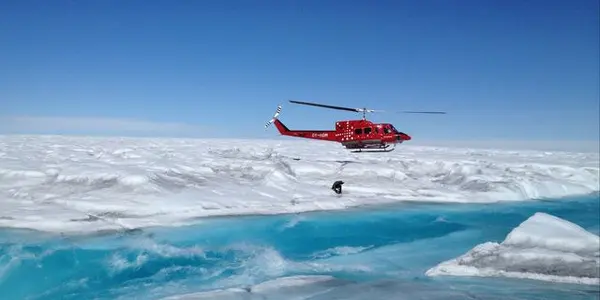
The massive ice sheet that covers about 80 percent of Greenland is the largest single chunk of melting snow and ice in the world
and for that reason it is considered the biggest potential contributor to rising sea levels due to glacial meltwater in a warming world.
What gets the most media, and therefore a lot of research, attention is the ice sheet's aquamarine lakes -- bodies of meltwater that tend to abruptly drain -- and monster chunks of ice that slide into the ocean to become icebergs.
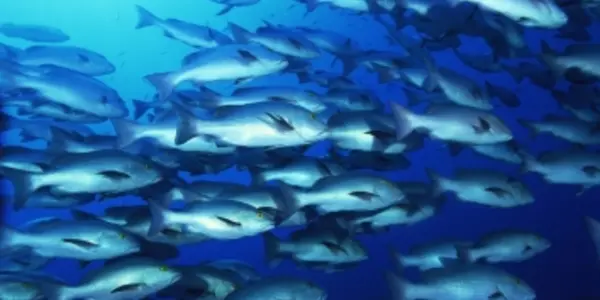
A team of scientists has identified how a "sixth sense" in fish allows them to detect flows of water, which helps resolve a long-standing mystery about how these aquatic creatures respond to their environment. The work in Physical Review Letters illustrates how sensory systems evolve in accordance with physical principles while also offering a framework for understanding how sensory networks are structured.
In a new study, an analysis of 5,749 patients who received dalcetrapib or placebo and provided DNA in a clinical study found a strong association between the effects of dalcetrapib and a specific gene called ADCY9 (adenylate cyclase 9) on chromosome 16, particularly for a specific genetic variant (rs1967309). In patients with the genetic profile AA at rs1967309, there was a 39% reduction in the composite cardiovascular endpoint with dalcetrapib compared to placebo. Supporting evidence was also obtained from a second study, which showed that patients with the favorable genetic profile also benefited from a reduction in the thickness of their carotid artery walls with dalcetrapib.
Over 12 million Americans visit their doctors annually complaining of headaches and the real costs and estimates of lost productivity could be up to $31 billion annually.
What might help more people without spending more money? Fewer tests and some counseling about lifestyle changes.
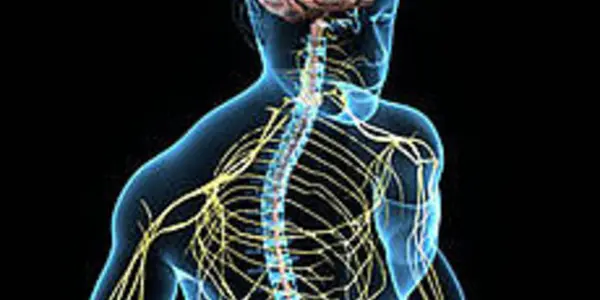
As has been demonstrated, even after complete spinal paralysis the human spinal cord is able to trigger activity in the leg muscles using electrical pulses from an implanted stimulator. Now a team of researchers has succeeded in identifying the mechanisms the spinal cord uses to control this muscle activity. These mechanisms still work even if the neural pathways from the brain are physically interrupted as the result of a spinal cord injury. It is the first time throughout the world that the spinal-cord activation patterns for walking have been decoded, say the authors of a new paper.
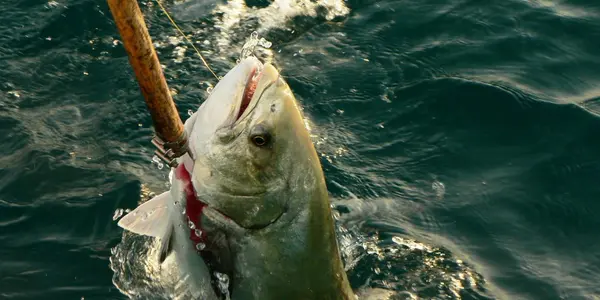
Up to 10% of adults living in developed countries fish for food and recreation and a new paper finds that in the Mediterranean Sea that could be up to 10% of the total production of fisheries - a large amount that is basically un-regulated outside buying a license.
A small pilot study has shown that most of the children in a new oral immunotherapy treatment program were able to eat 100 grams of wheat bread without side effects, a promising way to mitigate the risk of accidental ingestion by people with this allergy.