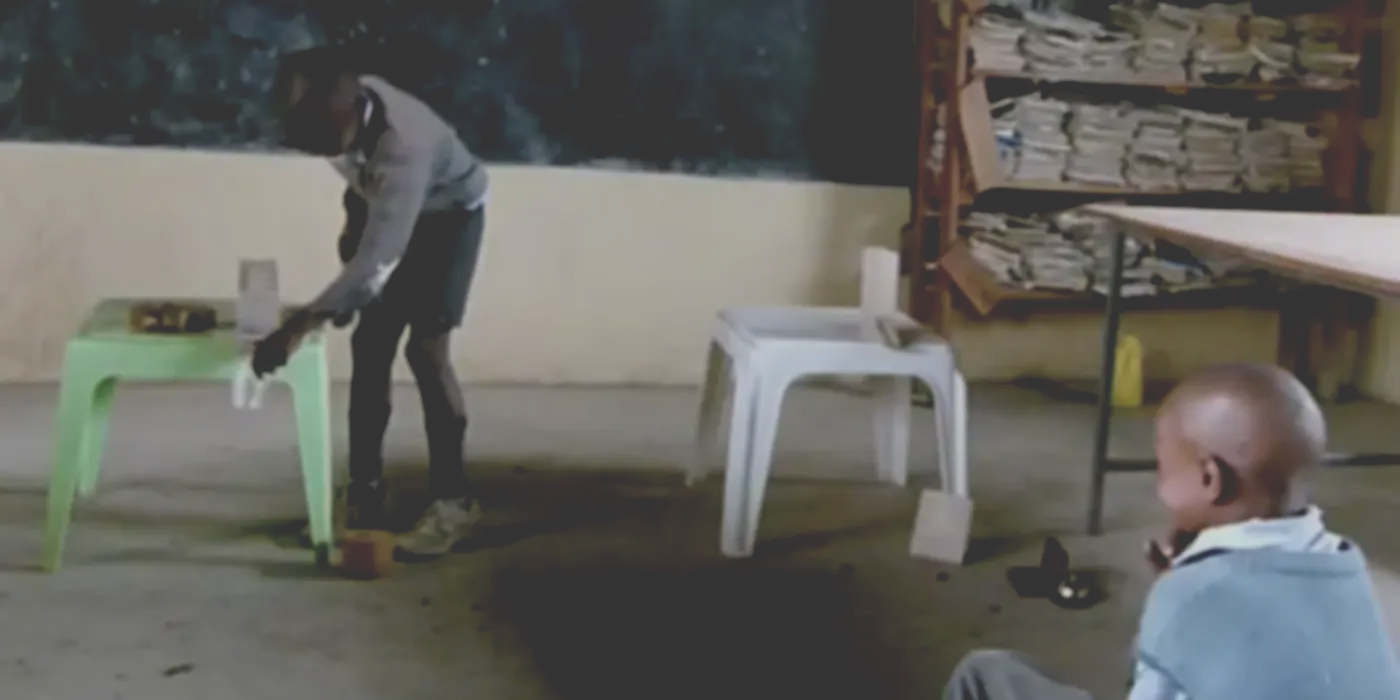
Kids Helping Kids Is Universal - But Cultures Help Differently
A simple game reveals a universal instinct in kids
A simple game reveals a universal instinct in kids


The amount of water present in the moon may have been overestimated by scientists studying the mineral apatite, according to a new computer model created to accurately predict how apatite would have crystallized from cooling bodies of lunar magma early in the moon's history. Their simulations revealed that the unusually hydrogen-rich apatite crystals observed in many lunar rock samples may not have formed within a water-rich environment, as was originally expected.
Writing in Science, the authors say this discovery has overturned the long-held assumption that the hydrogen in apatite is a good indicator of overall lunar water content.
Can you buy ethics? Are scientists simply paid guns producing research for anyone that writes a check?It's certainly a common cultural belief. Skeptics about global warming think that academics cozy up to politicians and apply for grants related to whatever is in the news while skeptics about medicine believe that if a researcher gets funding from anywhere except the government they are for sale. In reality, there is more disclosure and less conflict of interest that at any point in the history of science. There was a time when scientists had to read Tarot cards and make astrology charts for wealthy patrons and people who know how expensive and difficult drug discovery is dread a future where the government does it rather than corporations.
Oxytocin, the love hormone, is correlated to everything from maternal attachment to sexual addiction. Now it has been implicated in lying.
Oxytocin is a hormone the body naturally produces to stimulate bonding and psychologists from Ben-Gurion University of the Negev (BGU) and the University of Amsterdam say it even causes participants to lie more to benefit their groups. People do so more quickly and without expectation of reciprocal dishonesty from their group, they write in the Proceedings of the National Academy of Science (PNAS).
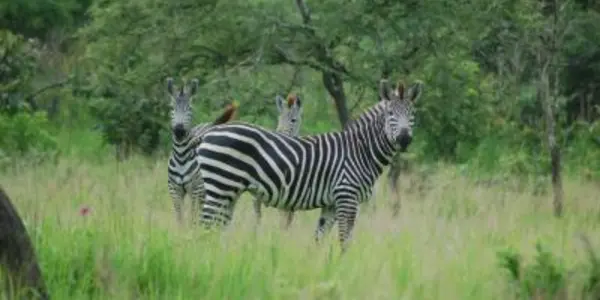
Why zebras have black and white stripes is a long-standind puzzle of evolution.
To find out, the researchers behind a Nature Communications paper mapped the geographic distributions of the seven different species of zebras, horses and asses, and of their subspecies, noting the thickness, locations, and intensity of their stripes on several parts of their bodies. Their next step was to compare these animals' geographic ranges with different variables, including woodland areas, ranges of large predators, temperature, and the geographic distribution of glossinid (tsetse flies) and tabanid (horseflies) biting flies.
They then examined where the striped animals and these variables overlapped.
A new sociology paper finds that bullying does not just occur among social outcasts. It happens to popular kids too, and the impact may be magnified even more. Popular kids could suffer more from a single act of social aggression.
In a study of students and their friendship networks in 19 North Carolina schools, the authors write in American Sociological Review that the risk of being bullied drops dramatically only for the adolescents in the truly elite among the school's social strata - the top 5%.
A new research report explains why people with a rare balding condition called "atrichia with papular lesions" lose their hair and it identifies a strategy for reversing this hair loss.
Specifically the report shows for the first time that the "human hairless gene" imparts an essential role in hair biology by regulating a subset of other hair genes. This newly discovered molecular function likely explains why mutations in the hairless gene contribute to the pathogenesis of atrichia with papular lesions.
In addition, this gene also has also been shown to function as a tumor suppressor gene in the skin, raising hope for developing new approaches in the treatment of skin disorders and/or some cancers.

Dogs have individual personalities, possess awareness, and are particularly known for their learning capabilities and trainability. They're also a lot more likable than cats and don't hide under the bed if the doorbell rings.
To learn successfully, dog must have sufficient attention and concentration and the attentiveness of dogs' changes in the course of their lives, as it does in humans.

Artificial intelligence researchers in Washington State University's School of Electrical Engineering and Computer Science have developed technology that gives a computer the ability to give advice and teach skills to another computer in a way that mimics how a real teacher and student might interact.
Artificial Intelligence Professor Matthew E. Taylor says the agents – virtual robots – act like true student and teacher pairs: student agents struggled to learn Pac-Man and a version of the StarCraft video game but the student agent learned the games and, in fact, surpassed the teacher.
When people go out to restaurants, they don't care about eating healthy. Great chefs know the secret to food people want is unreal levels of butter. Fast food restaurants have been convinced to spend tens of millions of dollars marketing healthy choices for kids, like apples, and they are basically invisible to children.
People don't want to overpay for the same food they will get at home and they don't care about labels. But when they fill out surveys they will claim to care about labels, which is not the same thing. When it comes to food, behavior and claims are often radically different, yet a small survey in
When the government that controls funding and therefore what is researched mandates where results have to be published, people taking the money have to comply. Thus it makes sense that clinical trial results as mandated by government may be different than trials results as mandated by various journals
Clinical trials, most of which are funded by industry and required to be so by government regulations, are reported different in journals and on the government website ClinicalTrials.gov, which requires data for specific categories that journals do not.
The code for every gene includes a message at the end of it that signals the translation machinery to stop but diseases like cystic fibrosis and Duchenne muscular dystrophy can result from mutations that insert this stop signal into the middle of an essential gene, causing the resulting protein to be truncated.
Some antibiotics cause the cell's translation machinery to ignore the stop codons and are therefore being explored as a potential therapy for these diseases. New research in Proceedings of the National Academy of Sciences finds that this approach could come with the price of triggering autoimmune disease.

The deepest areas of the Baltic Sea have always had a low oxygen content. The inflow of fresh water is actually limited by low thresholds at the entrance to the Baltic Sea.
At the same time, there is a relatively fresh layer above the denser and saltier water in the deep layer of the sea.
This results in an effective stratification of the water column, which prevents the mixing of water masses necessary to transfer oxygen to the water at the bottom.