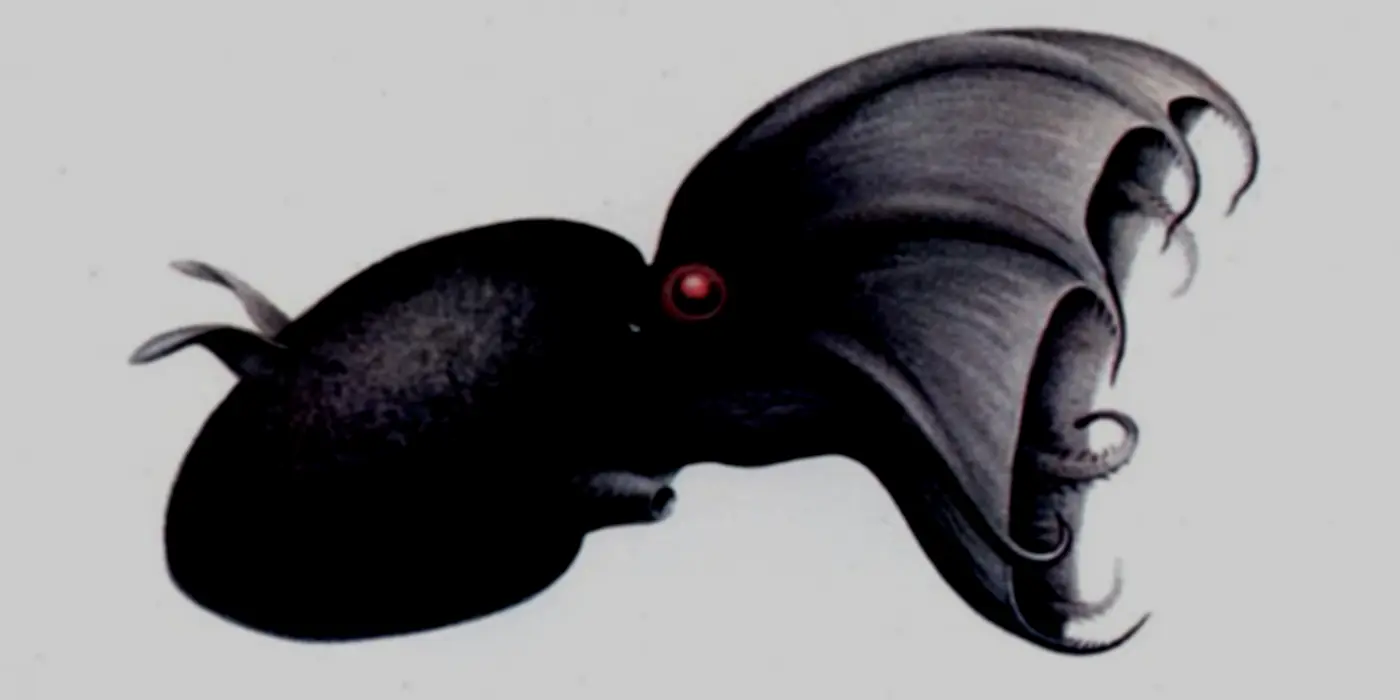
Vampire Squid And The Evolution Of Cephalopod Sex
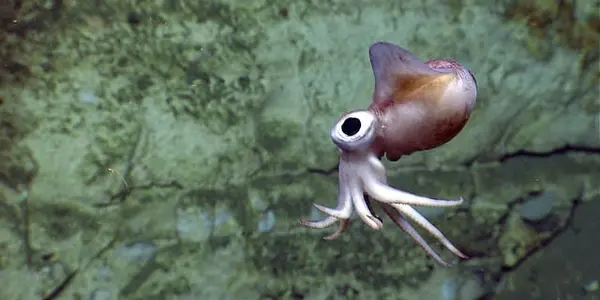
Everyone loves vampire squid, right? Their monstrous name belies their gentle nature as graceful underwater flyers who eat poop.
Everyone loves vampire squid, right? Their monstrous name belies their gentle nature as graceful underwater flyers who eat poop.
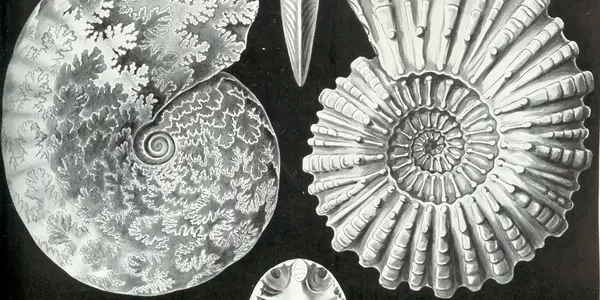
Very cool new research on feeding in ancient ammonites! (Thanks to R. Olley for the link.) Ammonites, though not the direct ancestors of modern-day cephalopods, are their ancient cousins--and they were the most successful cephalopods of all time, in terms of diversity and sheer abundance.Ammonites from Ernst Haeckel's 1904 Kunstformen der Natur (Artforms of Nature).

The Shell and Mantle (a lovely pan-mollusca blog which regularly reminds me that cephalopods have some very cool cousins) kindly sent me a copy of China Miéville's Kraken after I whined about wanting to read it.I'm only one chapter in, so this is less of a review and more of a public service announcement that, thus far, my two inner geeks are pulling in opposite directions.
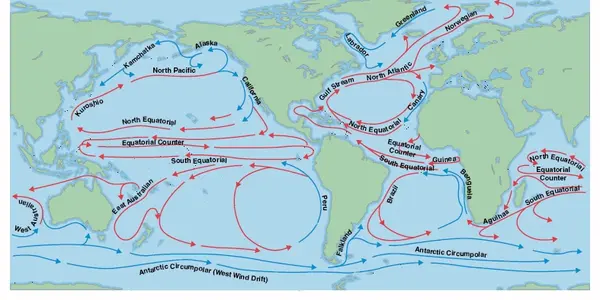
Blue sharks in the Gulf Stream, in the western Atlantic, probably spend all day eating squid.At first, that doesn't seem remarkable. Every big predator likes to eat squid, and sharks are no exception. And there are plenty of squid in the Gulf Stream, particularly Illex illecebrosus, which could arguably be referred to as the Humboldt squid of the western Atlantic. Illex illecebrosus and Dosidicus gigas are in the same family of large, muscular oceanic squid--Ommastrephidae--and they exhibit similar daily vertical migrations.

Sigh. I was going to write with lyric beauty about a dream I had last night, in which I was finally, finally successful in feeding baby squid. I watched them stuffing copepods into their mouths with deep satisfaction. But that will have to wait, because guess what?In this case, it's an article called Santa loves Calamari. Well-intentioned, but wrong. The premise of the piece is that "squid is the new sustainable holiday seafood" based on information like:
Back in October I wrote on the subject of the Kraken, stating rather emphatically and cantankerously thatwhales eat squid. It is a unidirectional ecological interaction.I received a very thoughtful response from one Daniel Rolph, who commented
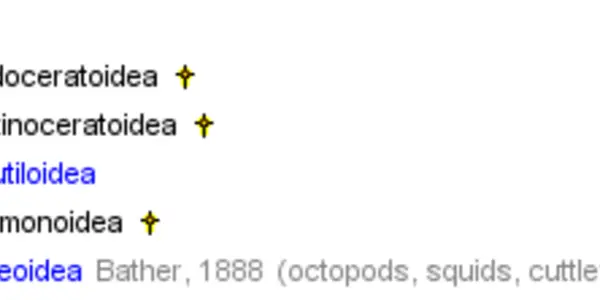
Some people might suggest the nautilus as the ancestor of modern squid, since they're the only "ancient-looking" cephalopods most of us have seen. But the lineage that led to modern nautiluses and the lineage that led to modern squid diverged long before there was anything that looked like a squid.Here is a tree of evolutionary relationships within the Cephalopoda, from the magnificent Tree of Life website.
Yesterday I finished two novels. One was Susanna Clarke's Jonathan Strange and Mr. Norrell, and I have babbled about it here. The other was my own invention. The working title is A Girl and her Squid, and that is what it is about. I am intending to make it a great deal better--perhaps four or five hundred drafts will be enough--and then publish it.Now, on to the squid news that I missed during the last month of frenzied noveling!Ammonite shells have bite marks in them that suggest they may have eaten by squid:
I am 26,160 words into my squid racing novel, about halfway through the plot, and enjoying NaNoWriMo quite thoroughly. But I just had to pop out of my month of hibernation to link a few really cool squid-in-the-news stories. Evidence continues to build that squid are basically awesome: SQUID FLY: We've known for a long time that squid can fly, but a recent review paper summed up all the evidence and made some cool calculations about velocity and body postures.

In 1983, two scientists, one from California and one from Denmark, co-authored a research paper titled "Can odontocetes debilitate prey with sound?" Odontocete is a fancy term for toothed whales (the group that includes sperm whales, orcas, and dolphins) and so the question could be written thus: Can toothed whales stun their prey with loud noises?
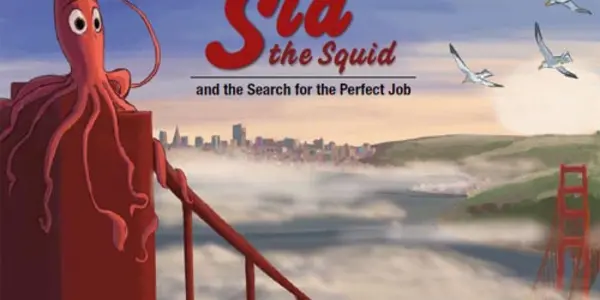
On the day after Squid Day, I got mail from the publishing company Immedium*, letting me know they'd just come out with a new children's book: Sid the Squid and the Search for the Perfect Job. It might be of interest to me and my readers. Would I like to preview a pdf?Flattered beyond all reason by the suggestion that I have "readers," and obsessed as I am with both squids and literature, I answered with a swift affirmative. (Apparently I was not the only cephaloblogger thus recruited.)
The Museum of UnNatural History has a page about the Kraken, of course, a pleasant romp through the history of the mythological creature, but unfortunately it does its part to perpetrate a common misunderstanding about the giant squid: that this poor animal is actually capable of taking on a whale.Though giant squids are considerably less then a mile and a half across, some are thought to be large enough to wrestle with a whale. On at least three occasions in the 1930's they reportedly attacked a ship. While the squids got the worst of these encounters when they slid into the ship's propellers, the fact that they attacked at all shows that it is possible for these creatures to mistake a vessel for a whale.
The Squid Symposium ended on Friday, and on Saturday those of us who were still here in La Paz took a day trip to Isla Espiritu Santo, a gorgeous island where we snorkled in bath-warm seawater with sea lions, pufferfish, and other natural wonders. Various ideas from the conference spent the day fermenting in my brain (the hot sun helped) and now I'm going to take a stab at synthesizing some of them.