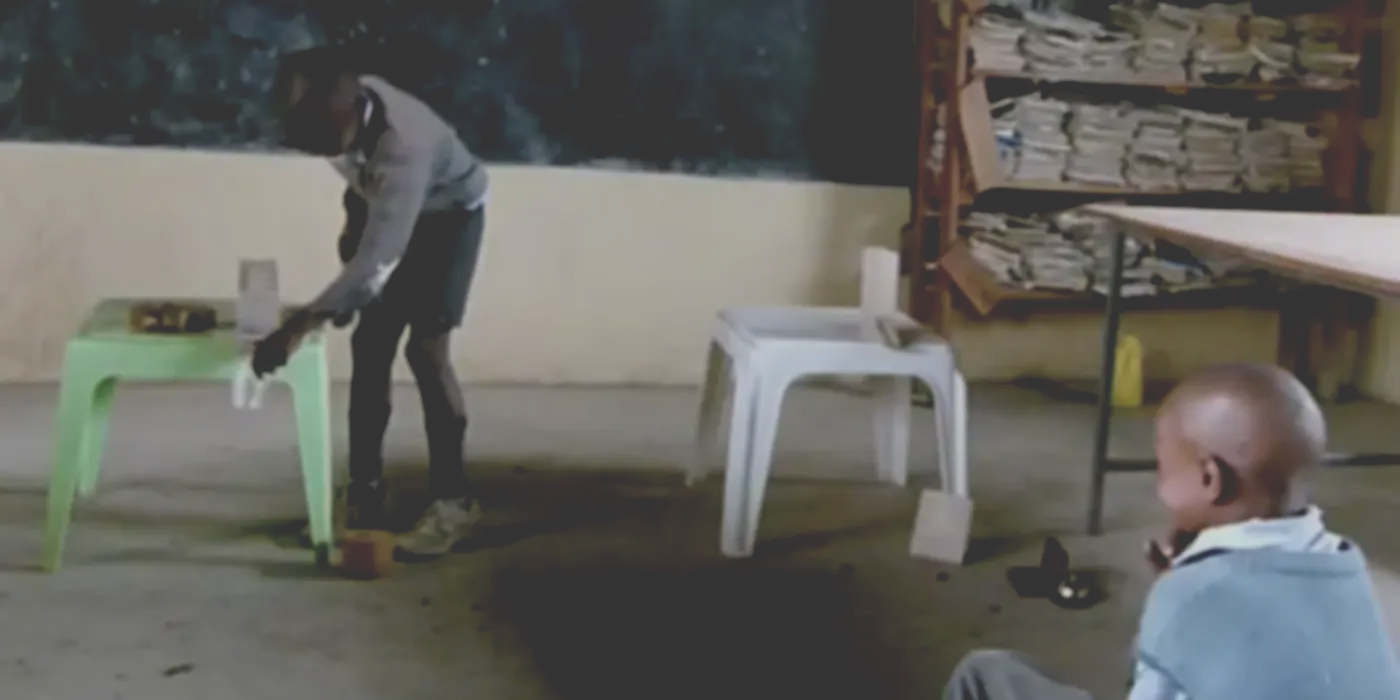
Kids Helping Kids Is Universal - But Cultures Help Differently
A simple game reveals a universal instinct in kids
A simple game reveals a universal instinct in kids


3K3A-APC, an experimental drug, appears to reduce brain damage and eliminate brain hemorrhaging in older stroke-afflicted mice and stroke-afflicted rats with co-morbid conditions such as hypertension, according to a new study.
The paper finds that 3K3A-APC may be used as a therapy for stroke in humans, either alone or in combination with the FDA-approved clot-busting drug therapy tPA (tissue plasminogen activator). Clinical trials to test the drug's efficacy in people experiencing acute ischemic stroke are expected to begin recruiting patients in the U.S. in 2014.

Researchers have made a step toward the creation of materials that can be 'tuned' just by shining a light on them - they have succeeded in producing and measuring a coupling of photons and electrons on the surface of an unusual type of material called a topological insulator. This type of coupling had been predicted by theorists but never observed.
Their method involves shooting femtosecond (millionths of a billionth of a second) pulses of mid-infrared light at a sample of material and observing the results with an electron spectrometer, a specialized high-speed camera the team developed.

Thermoelectric materials were discovered in the 19th century and have the remarkable property that heating them creates a small electrical current - but adopting them to the 21st century has been a challenge.
When organ donations after death are a topic, the altruism argument is easily made. But during life, it is more complex.
Kidney transplantation is the best treatment for patients with kidney failure. Unfortunately, there's a shortage of kidneys available to those in need of a transplant, and donation rates from both living and deceased donors have remained relatively unchanged over the last decade. Some people aren't going to have willing donors or even matching ones but when the notion of paying for donations is introduced, the implication is this will be a new front in the class war - organs of poor people will be harvested for the rich.
When we imagine the sun, we imagine fire, but that isn't really accurate. The sun is plasma; particles so hot that their electrons have boiled off, creating a charged gas that is interwoven with magnetic fields. In late September, a
200,000 mile long
magnetic filament of solar material erupted on the sun and it ripped through the sun's atmosphere, the corona, leaving behind what looks like a canyon of fire. The glowing canyon traces the channel where magnetic fields held the filament aloft before the explosion. Visualizers at NASA's Goddard Space Flight Center in Greenbelt, Md. combined two days of satellite data to create the short movie below of this gigantic event on the sun.
Blood and bone marrow transplants have been done for decades and have always had risks of complications, like virtually any treatment for serious diseases, but a new study has found an additional one for the list: sexual health.

The Boomerang Nebula is the coldest known object in the Universe; even colder than the faint afterglow of the Big Bang, which is the natural background temperature of space.
Advertising relies on repetition because some repetition increases likability. While established brands can coast a little - you never see advertising for Dinty Moore Beef Stew because it is awesome - new brands rely on gaining popularity due to excessive exposure and repetition.
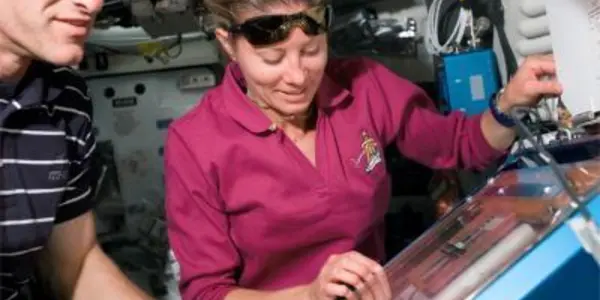
Less than two weeks in space may be enough to cause profound changes in eye structure and gene expression, according to a new report based on a small study.
The study looked at how low gravity and radiation and oxidative damage impacts mice and examines eye-related gene expression and cell behavior after spaceflight, but the subject size was too limited to be conclusive - 18 mice in nine different condition groups, due to limited aboard orbital missions.

Over the past three years, 300,000 gamers have helped scientists with genomic research by playing Phylo, an online puzzle game that is a cross between Tetris, Rubik's cube and an old-fashioned sliding-tile puzzle game.
As gamers line up colored rectangles that represent real genetic material (in the form of DNA sequences), they are helping to pinpoint the genetic anomalies that may be the key to a range of diseases that include diabetes, breast cancer and retinoblastoma, the most common form of malignant tumor in the eyes of children.
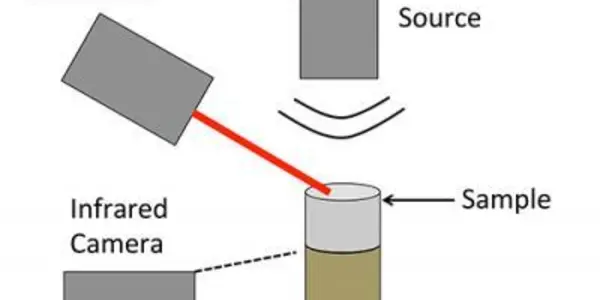
A new paper describes an acoustic remote bomb detection system that can identify homemade bombs and determine the difference between those that contain low-yield and high-yield explosives.
A number of different tools are currently used for explosives detection. These range from dogs and honeybees to mass spectrometry, gas chromatography and specially designed X-ray machines.

In the past year, Google search has dramatically increased the speed of search results, not that you would notice, since they were already quite fast.