Kids Helping Kids Is Universal - But Cultures Help Differently
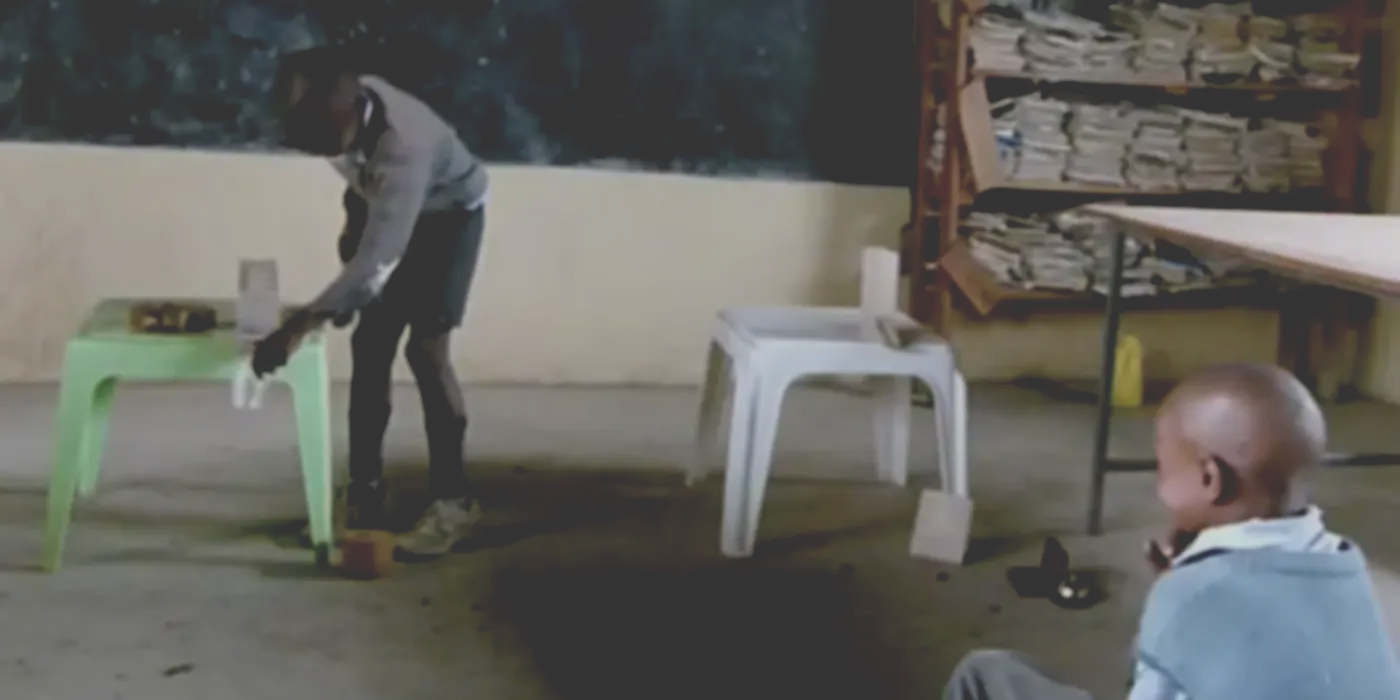
A simple game reveals a universal instinct in kids
A simple game reveals a universal instinct in kids

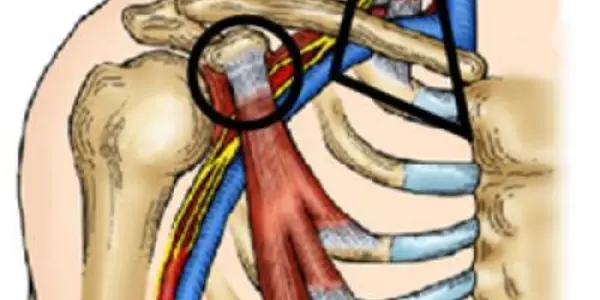
Two new studies look for ways to improve surgical treatment for a debilitating condition called neurogenic thoracic outlet syndrome, which is caused by compressed nerves in the neck and shoulder and causes pain, numbness or tingling in the shoulder, arm or hand.
It is most common in baseball pitchers and other elite athletes. Patients often describe pain and tension in the neck and upper back, numbness and tingling in the fingers, headaches and perceived muscle weakness in the affected limb.

Researchers at the Universities of Edinburgh and Southampton have brought the science of repairing broken bones into the 21st century, using adult bone stem cells combined with a degradable lightweight plastic that encourages real bone to re-grow.

Want to feel small? Humans have been included in the most comprehensive tree of life to-date on placental mammals. And placental mammals are the largest branch of the mammalian family tree, with more than 5,100 living species.
Researchers from the Universitat Autònoma de Barcelona report they can cure diabetes in large animals with a single session of gene therapy. Writing in Diabetes, they said the dogs recovered their health and no longer show symptoms of the disease. In some cases, monitoring continued for over four years, with no recurrence of symptoms.
President Obama, who was going to heal the Earth in his first term, didn't do much of that but he put climate change back on the table in his second inaugural address and a new national poll says public support for regulating greenhouse gas emissions is with him - just not with the ways he tried in his first term.

When you think of the South Pole, you probably don't think of garbage.
Yet according to a report commissioned by the Federal Environment Agency (Umweltbundesamt) in Germany, the Antarctic is littered with leftovers from derelict experimental set-ups and field huts are slowly decomposing. Garbage containing dangerous chemicals, discarded oil cans and car batteries is lying in the open. Coastal waters and beaches are suffering oil-pollution as a result of poor handling of fuel at those science stations.
Using chromosomal data drawn from genetic databases, a group of researchers were able to identify the surname of one in every eight people from a sample of 911 American men. Sometimes other private information could be determined, including their geographic locations or the identities of their relatives.

Before they go all-out supernova, some large stars undergo a sort of mini-explosion - cosmically speaking - which throws massive amounts of material into space. Though several models predict this behavior and evidence from supernovae point in that direction, observations of such pre-explosion outbursts are rare.
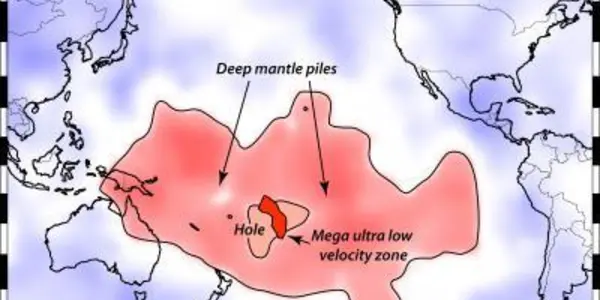
A new study in Earth and Planetary Science Letters analyzed seismic waves that bombarded Earth's core and indicates that two or more continent-sized chunks of rock are colliding as they move at the bottom of Earth's thick mantle, atop the thicker core some 1,800 miles beneath the Pacific. That is creating a Florida-sized zone of partly molten rock that may be the root of either of two kinds of massive eruptions far in the future:
Hotspot plume supervolcano eruptions like those during the past 2 million years at Wyoming's Yellowstone caldera, which covered North America with volcanic ash.
The moribund western economy has not doomed global health care just yet. Donations to health projects in developing countries are holding steady, according to a new paper from the Institute for Health Metrics and Evaluation (IHME) at the University of Washington.
After reaching a historic high during the Bush presidency and with previous commitments allowing it to climb to $28.2 billion by 2010, developing nation health funding dropped in 2011 and stabilized in 2012, say the findings announced today at the Center for Global Development and published online as part of the fourth annual edition of IHME's financing series, Financing Global Health 2012: The End of the Golden Age?
Ever since Austrian physicist Erwin Schrödinger simultaneously killed and did not kill his unfortunate cat, fellow scientists have been using quantum theory to explain and understand the nature of waves and particles.
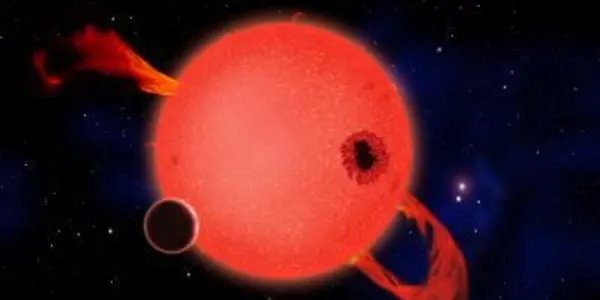
Up to six percent of red dwarf stars have habitable, Earth-sized planets. Red dwarfs are the most common stars in our galaxy, so that means the closest Earth-like planet could be just 13 light-years away.
Red dwarf stars are smaller, cooler, and fainter than our Sun. An average red dwarf is only one-third as large and one-thousandth as bright as the Sun. From Earth, no red dwarf is visible to the naked eye but we are surrounded by a swarm of red dwarf stars. About 75 percent of the closest stars are red dwarfs, and so, since 6 percent of those should host habitable planets, they arrived at 13 light years as the closest Earth-like planet.