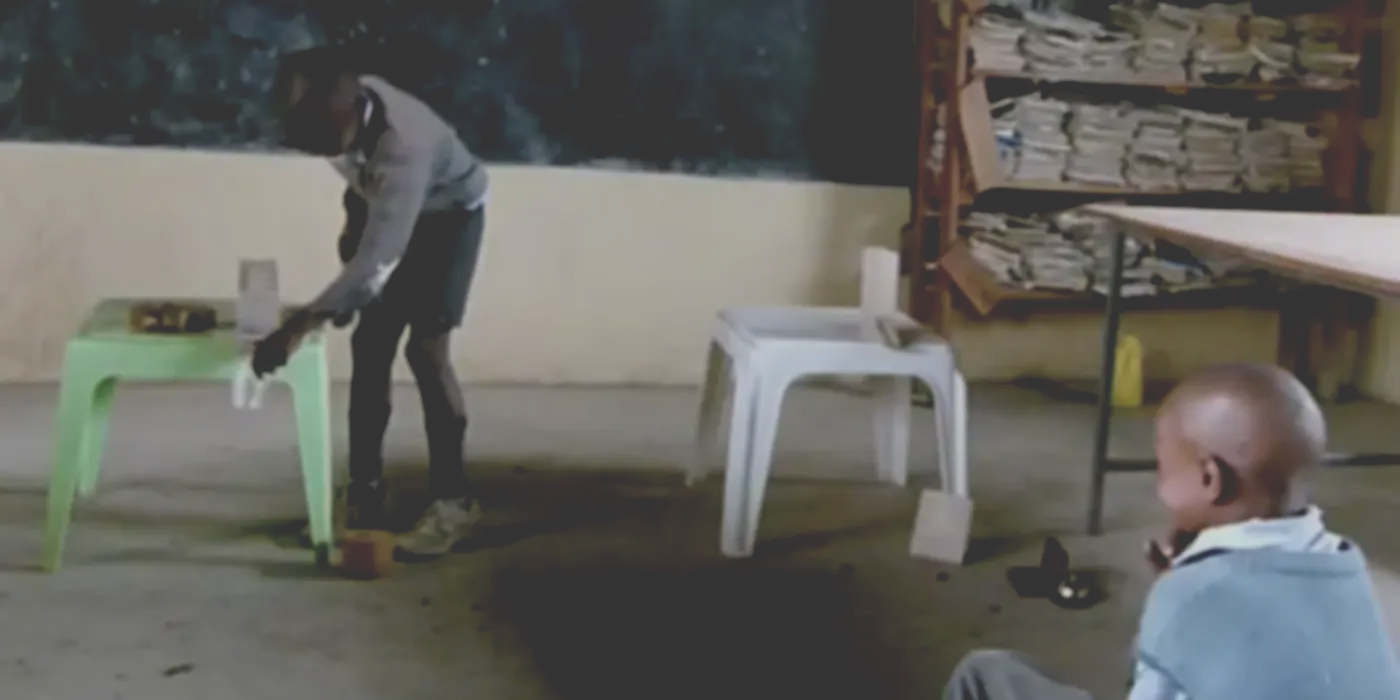
Kids Helping Kids Is Universal - But Cultures Help Differently
A simple game reveals a universal instinct in kids
A simple game reveals a universal instinct in kids

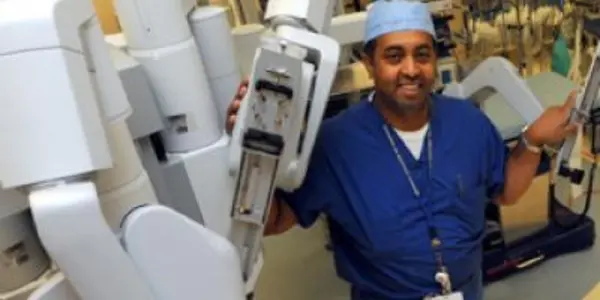
In the Journal of Minimal Access Surgery, a case report details a 46-year-old physically fit female with a history of excessive bleeding and benign growths on her uterus. Her surgery was performed through a two inch-long incision in the belly button, the thinnest part of the abdomen, using the robotic arms in a "chopstick" fashion, said Dr. John R. Lue, Chief of the Medical College of Georgia Section of General Obstetrics and Gynecology at Georgia Health Sciences University, showing that the precision and three-dimensional view provided by robots can enable essentially scar-free surgery for some women needing hysterectomies

Tel Beth-Shemesh, an ancient village that resisted the aggressive expansion of neighboring Philistines, has been hiding an 11th century B.C. sacred compound. The complex is comprised of an elevated, massive circular stone structure and an intricately constructed building characterized by a row of three flat, large round stones.

How do you test the effects of weightlessness in space without risking lives and a lot of money?Use a bed. People in bed with their heads 6° below the horizontal for long periods causes their bodies to react in similar ways to being weightless and so bedrest studies are being used to answer questions on how our bodies adapt to living in space and and even how our bodies adapt to growing old. Like Tang and pens that write upside down, findings from bedrest studies may apply directly to people on Earth.

Suicidal doctors have excellent access to health care but appear to be under-treated for mental health problems, according to a new University of Michigan analysis. More physicians than non-physicians in their analysis had known mental health problems prior to suicide but that didn't translate into a higher rate of antidepressant use. Major depression is a known risk factor for suicide, particularly for female physicians.Stigma, lack of confidentiality, and desire to self-treat may explain why physicians don't seek formal treatment for mental health problems, says lead author Katherine J. Gold, M.D., M.S.W., M.S., assistant professor of family medicine and of obstetrics and gynecology at the University of Michigan Medical School.
In the wake of Italian scientists being sentenced for not having sufficiently warned the public about the risks of a severe earthquake of L'Aquila 2009, the German National Academy of Sciences Leopoldina and the French Académie des sciences have published a statement trying to head off possible situations in their own countries Their statement concerning the handling of risks situations by scientists is below.
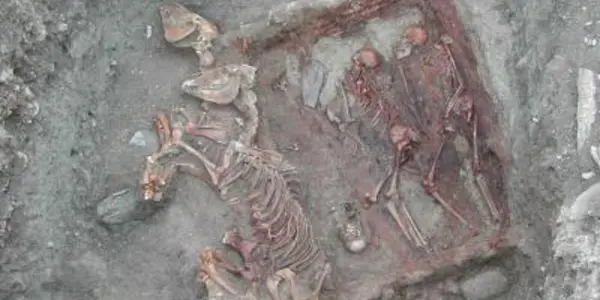
Genetic blending between Europeans and Asians occurred over 2,000 years ago in the Altai region of Mongolia, according to a new analysis. The remains of ancient Scythian warriors indicate that this blending was not due to an eastward migration of Europeans, but to a demographic expansion of local Central Asian populations and that was due to the technological improvements the Scythian culture brought with them. The Scythians were an Indo-European people dedicated to nomadic pasturing and horse breeding. They crossed the Eurasian steppes from the Caspian Sea until reaching the Altai Mountains during the 2nd and 7th century BCE. We know about them primarily due to ancient texts written by the Greek historian Herodotus.
A device capable of amplifying the information in a single particle of light without adding noise has been created. The researchers were able to amplify the noisy quantum state of a single photon subjected to loss, without adding noise in the process - their amplification actually reduced the noise in the quantum state. It is expected the results will stimulate further interest in the fundamental laws that govern how well amplifiers can work and in developing uses of noiseless amplification techniques for other quantum information technology applications.

Microbiologists and geochemists have shown that marine methane oxidation coupled to sulfate respiration can be performed by a single microorganism, a member of the ancient kingdom of the Archaea, and doesn't need to be carried out in collaboration with a bacterium, as previously thought.
One big knock on solar energy is that it is inconsistent; it doesn't work at night or on cloudy days and storing it in batteries takes away the cost effectiveness. But a new technology is in development that can transform that light energy into a storable clean fuel that still has a neutral carbon footprint - hydrogen. What does it take? Water and iron oxide, better known as rust. Kevin Sivula and colleagues at Ecole Polytechnique Fédérale de Lausanne intentionally stuck to inexpensive materials and easily scalable production processes in order work toward an economically viable method for solar hydrogen production.

Want to help unlock the secrets of magnetism at the molecular scale without getting a PhD in physics? A citizen science project entitled Feynman’s Flowers lets volunteers from across the world analyze microscope images of individual molecules, which have characteristic flower shapes. Anyone can take part, and only a few clicks of the computer mouse are required to collect valuable information.
A new prostate cancer awareness survey found widespread misconceptions about the disease and says the emotional impact on men is underestimated.The physical effects of prostate cancer are widely known but men know more myths than facts about how prevalent it is and what could happen. Janssen Biotech, Inc. has released the results of its "Mind Over Manhood: Misconceptions About Prostate Cancer" survey and it reveals a significant gap between the facts about prostate cancer and what men believe about the disease.
In the past, the stereotypes of autism often included a savant capability in some specific thing. A new look at eight child 'prodigies' suggests there may actually be a link between the children's special skills and autism. Or, people who are really good at some things tend to develop less socially. Of the eight prodigies they looked at, three had a diagnosis of autism spectrum disorders and as a group, the prodigies tended to have slightly elevated scores on a test of autistic traits compared to the control group. Half of the prodigies had a family member or a first- or second-degree relative with an autism diagnosis.