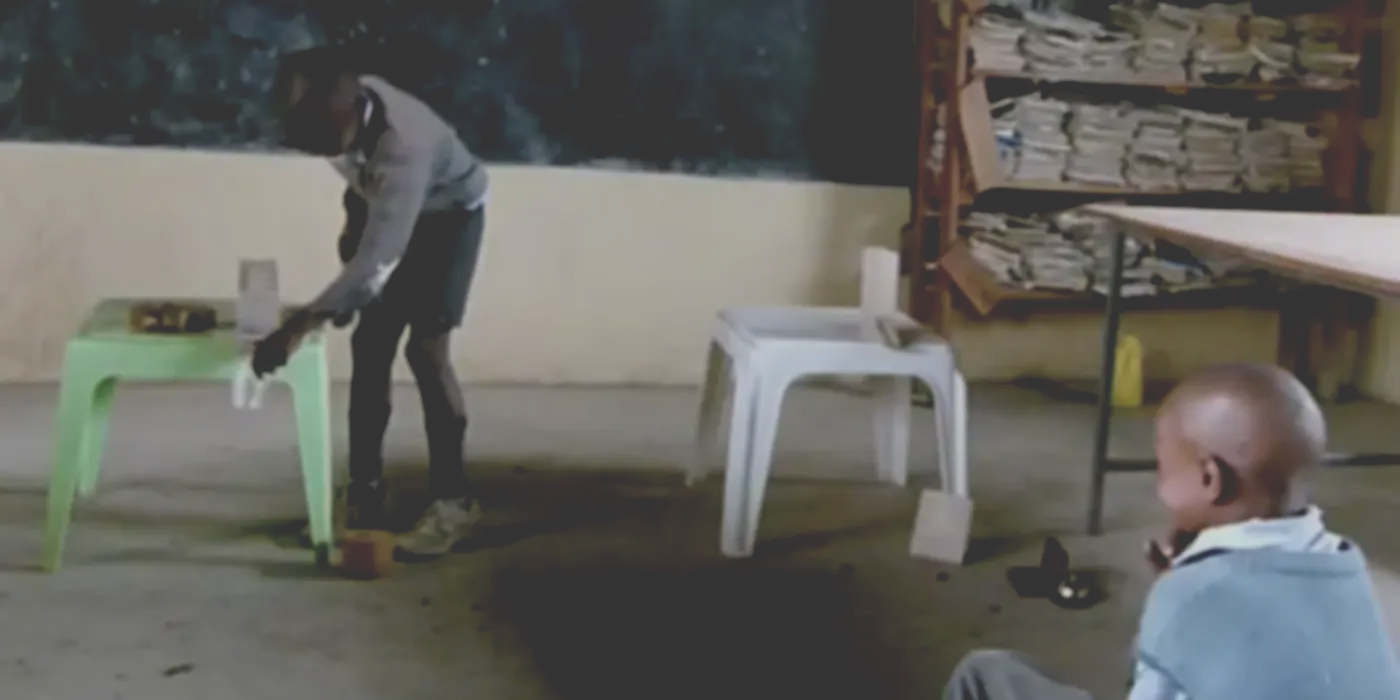
Kids Helping Kids Is Universal - But Cultures Help Differently
A simple game reveals a universal instinct in kids
A simple game reveals a universal instinct in kids


A trial of HPV vaccines in India, which has now been halted and is the subject of an investigation by the Indian government, was examining the safety and feasibility of offering a vaccine against the virus associated with cervical cancer. The trial was run by the international health charity PATH and involved more than 23,000 girls from Gujarat and Andhra Pradesh states. A committee of scientists commissioned by the Indian Government to look into the trial said that the study involved a number of serious ethical violations. A new study by researchers at Queen Mary, University of London and the University of Edinburgh suggests that lack of data on cervical cancer in India did not support a trial of the vaccine to prevent the disease.

You'd think European waters would be pretty well documented by now but nature always has surprises. Uroptychus cartesi is a crab in the 5-7 cm (including claws) size range that has been found at nearly a mile deep in the underwater mountains facing the Galician coast - Spain. Also intriguing: Its closest relative is in the Caribbean Sea.
Should there be racial quotas in university admissions? In jobs? What about gender quotas or political ones?America has more equality than any country in the world and so many organizations and institutions have elected to further relegate racial issues to the past by deemphasizing race or remove it entirely from their decision-making processes. People will be hired on qualifications so everyone who wins knows they won for the right reasons.
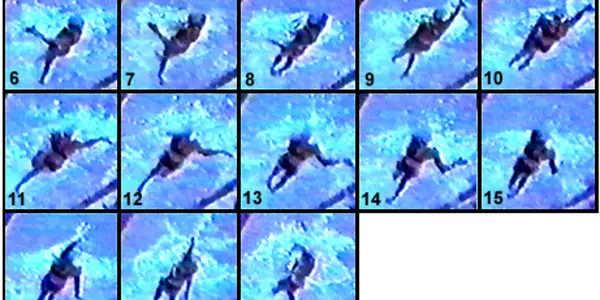
The two most common swimming strokes used by athletes training for the Olympic Games either pull the swimmer through the water like a boat paddle or whirl to the side like a propeller.Which arm motion works best is a big argument among elite swimmers and their coaches but a university research study has picked a winner - which will be no comfort at at all to actual athletes and their coaches.

Recent data from BaBar, a high energy physics experiment at SLAC National Accelerator Laboratory (originally Stanford Linear Accelerator Center) may suggest possible flaws in the Standard Model of particle physics, the reigning description of how the universe works on sub-atomic scales. BaBar, a detector built to measure the decay of B mesons and their anti-particles, B-bar mesons and named after those particles, weighed 1,200 tons, and was 6 meters long and 6 meters in diameter.
Scientists at Brookhaven National Laboratory have shown that ramping up the overall metabolism of algae by feeding in more carbon increases oil production as the organisms continue to grow - and that may point to new ways to turn photosynthetic green algae into tiny "green factories" for producing raw materials for alternative fuels.
A new study says a portion of the groundwater in the upper Patapsco aquifer underlying Maryland is truly ancient- over a million years old.
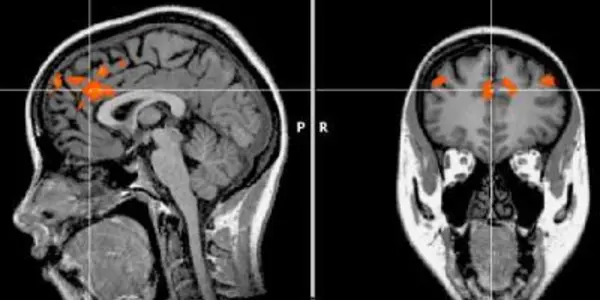
Self-control is a finite commodity. Neuroscientists recently took a look at what happens when a person runs out of patience and loses self-control.This self-control, they say, is limited and once the supply has dwindled, we're less likely to keep our cool when a situation that requires self-control comes around. We have all seen people who lose it over 'nothing' and recognize it may be pent-up frustration.
A new study suggests that your next hotel room stay may come with a bonus - someone else's fecal matter.Katie Kirsch, an undergraduate student at the University of Houston, presented the work at the 2012 General Meeting of the American Society for Microbiology. The study was designed as the first step in applying the Hazard Analysis and Critical Control Points (HACCP) system to hotel room cleanliness. Originally developed by NASA, HACCP is a systematic preventive approach that identifies potential physical, chemical and biological hazards and designs measurements to reduce these risks to safe levels.
Soitec, part of Euronext Paris, has announced that the U.S. Department of Energy (DOE) is giving them a SUNPATH award in the amount of $25 million to support its new North American solar manufacturing facility in San Diego, California. SUNPATH, which stands for Scaling Up Nascent PV At Home, is part of the U.S. governments controversial efforts to increase America's manufacturing competitiveness in the solar market.
Society is in a tough spot. Drug companies are culturally vilified and routinely sued when things go bad - all in return for only a few years of profitability before anyone can make the new drugs they develop - the FDA is constantly under pressure to expedite new drugs to respond to patient needs and governments are increasing pressure and regulation.
Small wonder there are fewer early stage drug companies and drug shortages. The situation is even worse in Europe, both in their cultural resistance to modern science and anti-business climate.

Heliatek GmbH, a technology company in the field of organic photovoltaics, has announced that its transparent solar films could be used to be integrated between the glass sheets of double glazed windows. These windows would look like tinted glass as the unique vapor deposition technology for the solar films allows for a homogeneous coating of the solar layer without any distracting patterns or irregularities.